Weird Weekend is our regular Saturday feature where we celebrate PC gaming oddities: peculiar games, strange bits of trivia, and forgotten history. Pop back every weekend to find out what Jeremy, Josh, and Rick have become obsessed with this time, whether it's the canon height of Thief's Garrett or that time someone in the Vatican pirated Football Manager.
In the shadows of the bio-research lab in Dire Marsh, there's a strange strip of graffiti scrawled behind a rack of hazmat suits in luminescent pink. "THAKGODITSYOU," it reads. "THANKODDITSYOU. THAANKGODITSYOU. THANKOOOITSYOU."
It would be just another disturbing example of Tau Ceti IV's decline, as its colonists succumbed to disease and infighting. However, this text is a vital clue when examining the connection between Marathon (1994) and Marathon (2026). You've likely seen this graffiti on the game's Steam page or in various articles, and over the last month, I've come to understand its true meaning.
The Haunting Legacy of the Marathon Universe
In 1994's Marathon—the Doom-like shooter that first made Bungie a beloved name among Mac gamers—you are trapped aboard the UESC Marathon during an alien invasion. As you explore the colony ship, you encounter many BOBs (civilians "born on board" during the vessel's long journey from Earth).
The difference between them is chillingly easy to identify by listening to their screams. Innocent BOBs cry out, "They're everywhere!" as aliens chase them through tight corridors. In contrast, exploding BOBs express a terrifying sense of relief: "Thank God it's you!"
This narrative depth is a hallmark of the franchise. Scattered throughout the original game are terminals where you can track the wider war and hear the thoughts of the onboard AI. As a mute security officer, you are caught between two entities:
- Leela: A relatively stable AI fighting to save lives.
- Durandal: An artificial entity obsessed with his own growing consciousness.
Durandal brings an unpredictable energy to the sci-fi setting. "Greetings," he says. "You're asking yourself: Is this a trap or just a dead end? You shouldn't ask yourself such worthless questions." He even quotes Darwin and 11th-century poetry, signing off with "Insanely yours," like a lover deranged by beauty in Wuthering Heights.
Finding Common Ground in Marathon (1994) and Marathon (202 Res6)
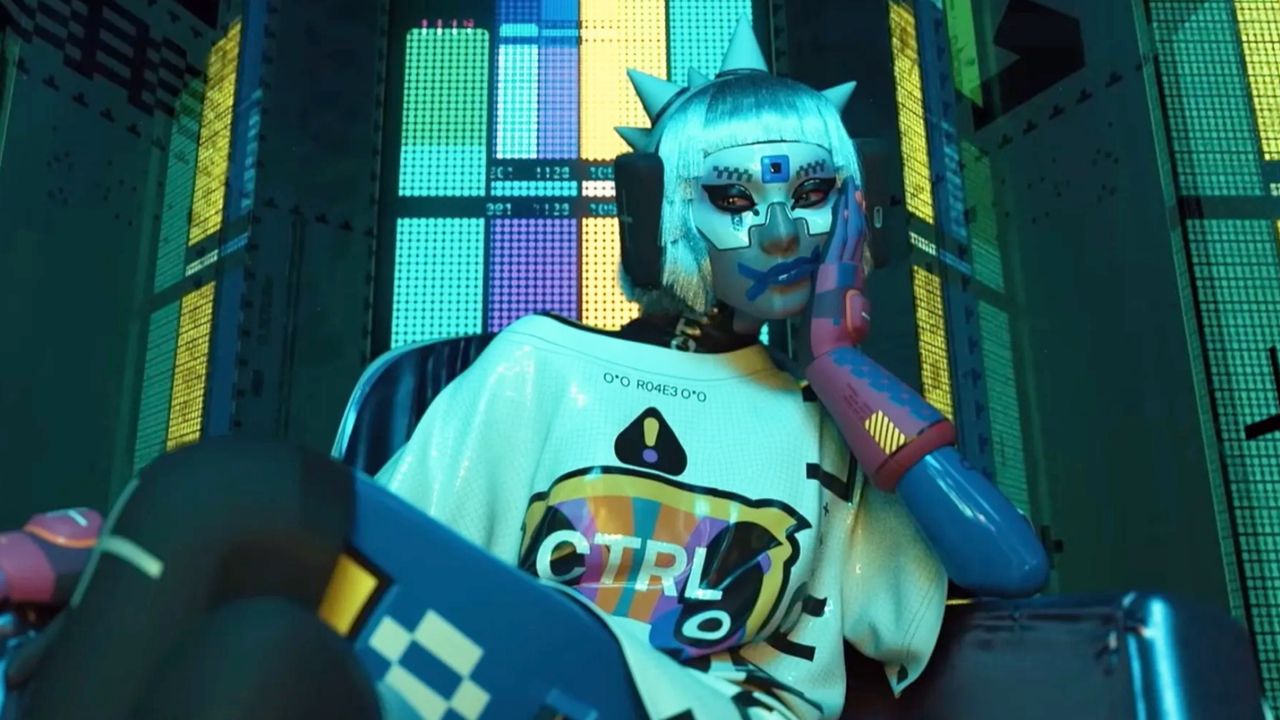
Playing Marathon (1994) and Marathon (2026) at the same time has been a fascinating experience. On the surface, the two games couldn't be more different. One is an extraction shooter existing in conversation with Hunt: Showdown and Valorant, while the other is a 1990s artifact informed by maze games and dungeon RPGs.
The gulf in approach demonstrates how far the FPS genre has travelled, yet they share a surprising amount of DNA. While the modern title embraces battle pass culture, both games rely on intense environmental tension and information gathering.
There are several striking parallels between the two eras:
- Information Gathering: Both games require players to use visual and aural cues to gain an edge.
- The Motion Tracker: The original features an Alien-style motion tracker that registers enemies as red blips, much like the Recon class on Tau Ceti.
- Environmental Pressure: The claustrophobic, "brute force" navigation of the original is mirrored in the modern Cryo Archive raid map.
The commitment to 3D space remains a constant. While the original lacks mantling or even a jump key, it excels at using climbing, falling, and airborne sprints to navigate vertiginous levels. This sense of physical presence—from dodging sluggish missiles to navigating molten rivers—is something Bungie has clearly worked hard to preserve in their new vision for the series.