In what is looking to be the year of Linux, alongside the "RAMpocalypse" and growing market uncertainty, users are seeking stability through modularity. It is perhaps surprising that according to Framework, more people are ordering the Ubuntu-flavoured version of the new Framework 13 Pro than the Windows options.
Ubuntu Outperforms Windows in Framework Sales
The trend was confirmed by Framework's official account on X, which noted a massive surge in demand for their latest hardware. The company shared: "Framework Laptop 13 Pro is selling far above our forecast, and we've sold out of the first six batches already. Also nice validation of our approach, the Ubuntu configurations are outselling the Windows ones!" (April 23, 2026).
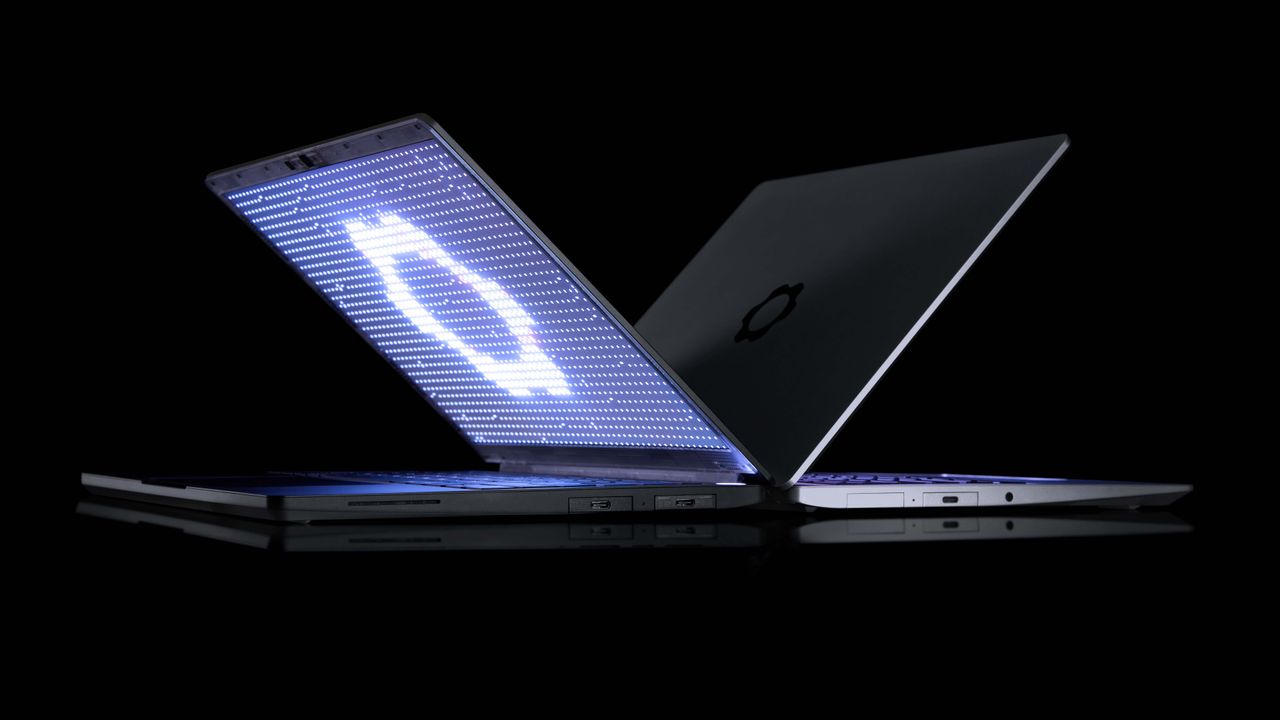
The Framework 13 Pro is being positioned as a high-end powerhouse for enthusiasts. The company even describes the device as the "MacBook Pro for Linux users," and the hardware specifications certainly back up that claim.
Premium Hardware Features
The new laptop features several high-end components designed to compete with flagship Windows and macOS machines:
- A stunning display capable of reaching 700 nits.
- Powerful Panther Lake chips for high performance.
- A massive 74 Wh battery for extended longevity.
- A sleek and premium aluminium chassis.
Why the Year of Linux is Driven by Modularity
The Linux community has already shown significant support for the new release. GloriousEggroll, the developer behind Proton GE and Nobara Linux, mentioned he is enjoying the device's "freakishly good battery life." Additionally, CachyOS posted that the hardware "finally feels like a genuinely premium Framework."
While Linux enthusiasts naturally gravitate toward machines with great out-of-the-box compatibility, the modular nature of Framework is a perfect match for the OS. Linux users typically demand more control over their software and hardware than Windows users, making an upgradable system highly appealing.
Beyond the software preference, economic factors may be playing a role in this year of Linux surge. With PC component prices rising and the future looking uncertain, many buyers are looking to secure hardware that can be upgraded later. A Framework machine offers a way to hedge against future price hikes or stock shortages by allowing users to swap components as technology evolves.