Microsoft Surface Price Hikes Signal End of Budget Windows Era
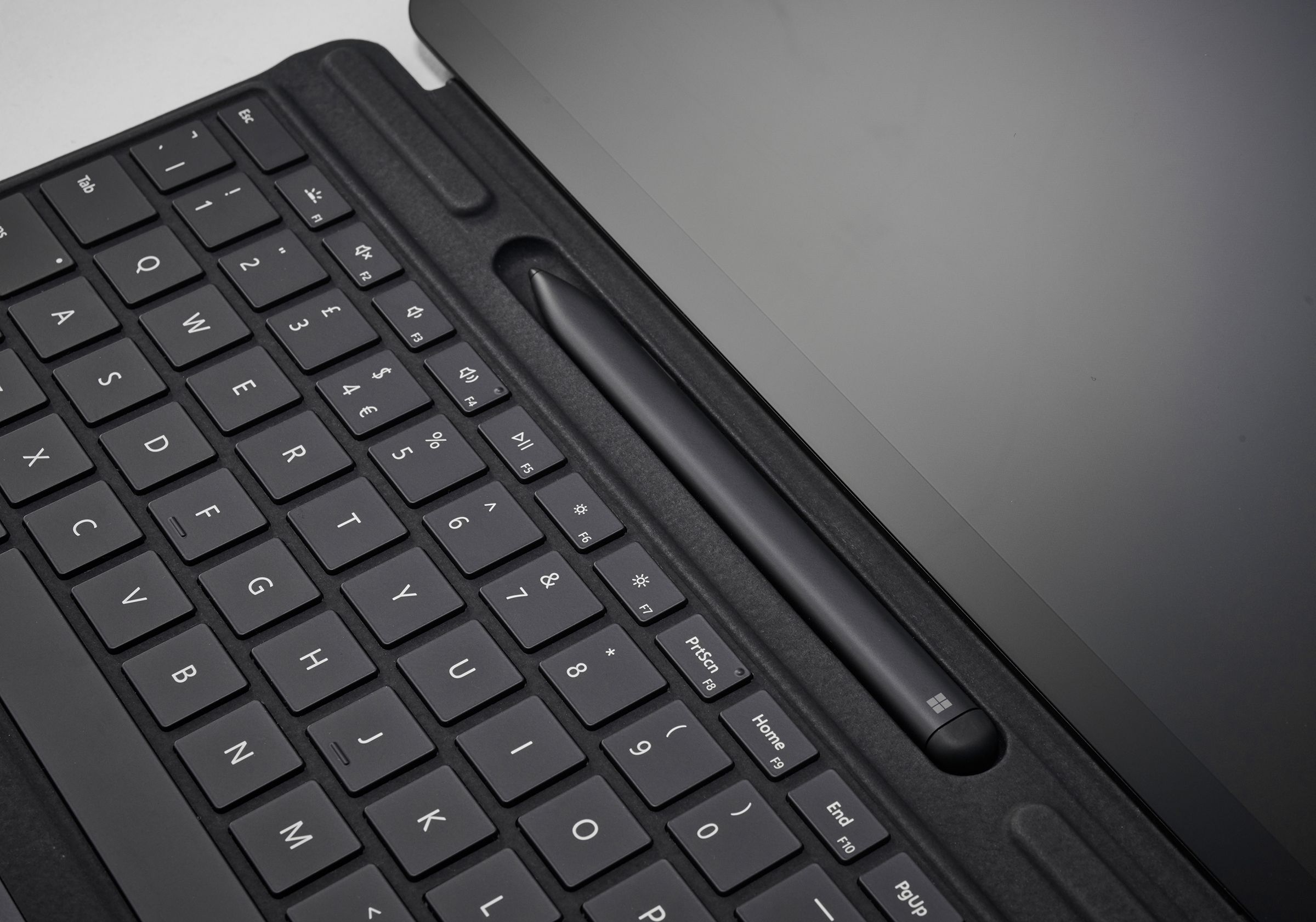
The landscape of Microsoft Surface PCs has shifted dramatically, with major price hikes now dominating the market as cheaper models disappear entirely. Just two years ago, a brand-new Surface Pro or Surface Laptop was an accessible investment under $1,000; today, that entry barrier has surged to $1,500, effectively erasing the budget-friendly segment of the lineup. This isn't merely an inflationary blip but a strategic restructuring where Microsoft has abandoned its sub-$1,000 price point, signaling that the era of affordable premium Windows hardware is over. The most sophisticated Windows laptops ever built now carry price tags that would have seemed preposterous for their predecessors, creating a market where Microsoft's own hardware has outpaced its value proposition.
The $300 Shock and Death of the Budget Surface
The specific mechanics of this price hike reveal a sharp pivot in how Microsoft views its own products. Models like the 12-inch Surface Pro tablet, which originally launched at $799, now command an asking price of $1,049—a direct increase of $250. Similarly, the 13-inch Surface Laptop has seen its starting price climb from $899 to $1,149. The situation becomes even more stark for the higher-tier configurations; devices that once started at $999 have been restructured so that their entry-level variants with 256 GB of storage are no longer available.
Instead, Microsoft has forced consumers into a $1,499 starting price point for these previously mid-range machines, representing a $300 jump in a single year. The company cites "recent increases in memory and component costs" as the primary culprit, pointing to global supply chain friction that has hit RAM and storage chips particularly hard throughout 2026. However, the removal of lower-specification SKUs suggests this is less about pure production costs and more about a deliberate consolidation of the lineup toward higher-margin products.
The financial reality for consumers is now binary: either pay a premium that rivals Apple Silicon or walk away entirely. The following breakdown illustrates the magnitude of these shifts across the current Surface catalog:
- Surface Pro (12-inch): Price increased from $799 to $1,049 ($250 hike).
- Surface Laptop: Price increased from $899 to $1,149 ($250 hike).
- High-End Surface Models: Entry-level 256 GB models discontinued; new starting price is $1,499, a $300 increase over the previous $999 baseline.
- Sub-$1,000 Segment: Completely eliminated; no new Surface devices are available for under one thousand dollars.
The Arm Transition Paradox and Apple's Shadow
This price restructuring arrives at a particularly sensitive moment for Microsoft, which has spent years transitioning its flagship hardware to Arm-based processors. The 2024 updates marked the first time these premium models fully embraced Qualcomm silicon, moving away from Intel and AMD architectures. This shift was intended to deliver superior battery life and efficiency, backed by years of work on Prism, Microsoft's x86-to-Arm translation layer, and a concerted push for third-party developers to build native applications for the new architecture.
Yet, the value proposition of this Arm-based revolution is now under siege by its own pricing strategy. While the hardware capabilities have improved, the cost per unit has spiraled in a way that makes direct comparisons with Apple's M-series chips look increasingly unfavorable. An equivalent MacBook Air powered by an M5 chip currently retails for roughly $400 less than a similarly specced Surface Laptop, despite offering comparable performance and often superior battery efficiency.
The disparity extends to the upcoming "MacBook Neo" tier as well; nothing in Microsoft's current lineup comes close to matching Apple's perceived value-for-money ratio at these price points. With supply shortages for memory continuing to plague the industry, the delay of new launches has further reduced inventory flexibility, leaving Microsoft with little room to maneuver its pricing back toward competitive levels without a significant drop in component costs.
What This Means for the Windows Ecosystem
The removal of affordable entry points forces a reevaluation of who the Surface is actually for. The device was once marketed as a versatile alternative for students and budget-conscious professionals, but those demographics now face a stark choice: spend significantly more on a Surface or turn to third-party OEMs that are still offering sub-$1,000 options. This creates a strange paradox where Microsoft's most polished hardware is becoming the least accessible option in its own ecosystem.
If Microsoft announces an update featuring Qualcomm's Snapdragon X2 Elite processors, as rumors have suggested, it remains to be seen if the company will layer yet another price increase on top of these already inflated figures. The strategy of eliminating lower-specification models suggests a willingness to accept reduced market share in favor of higher profit margins per unit. For now, the landscape is clear: Surface devices are no longer the budget king of the Windows world, and for many potential buyers, that crown has definitively passed to the competition.