Microsoft Surface Price Hikes: The Surprising Cost of the AI Memory Boom
If you mosey on over to Microsoft's Surface store recently, you might spot something a little alarming, but not in the least bit surprising. Yes, that's right: the prices for every model have increased, with some variants now starting at $500 more than they did at launch. The culprit behind this sudden surge? You can join Microsoft in pointing the finger of blame at the global memory supply crisis, a direct consequence of the insatiable appetite of the AI industry.
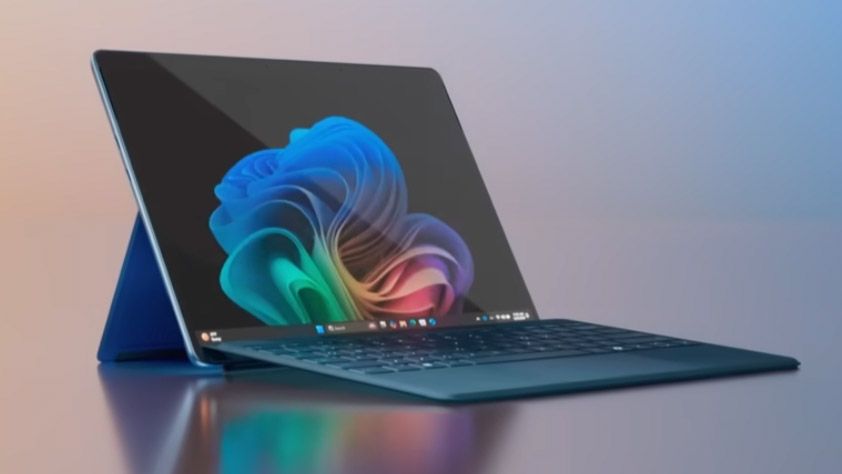
This hefty price hike was first spotted by our chums over at Windows Central, and for fans of Microsoft's laptops and tablets, it won't make for pleasant viewing. We are now looking at a starting price of $1,500 bar a cent for the base 13-inch Surface Pro, featuring 16 GB of memory and a 512 GB SSD. Err, no thank you.
The Stiff Price Tag on Modern Computing
The financial reality for consumers has shifted dramatically in recent months. Even if you are looking at slightly more modest configurations, the gap between launch prices and current costs is widening rapidly. To replace an older unit with a current-generation alternative now requires a significant financial commitment that many may find hard to swallow.
- 12-inch Surface Laptop: Powered by an eight-core Snapdragon X processor with 16 GB of memory and a 256 GB SSD, this model starts at $1,150.
- Launch Comparison: This price point is approximately $250 higher than the original launch cost.
- Competitor Context: The price is nearly double that of the base Apple MacBook Neo, which costs significantly less despite having only 8 GB of memory and an architecture described as being like "an iPhone stuffed inside a laptop shell."
While the MacBook Neo might suffice for simple work on the go, Microsoft's pricing strategy leaves many users wondering where their money should be going. The author maintains a love-hate relationship with their current 11-inch Surface, using it exclusively for work trips due to its compact and lightweight design perfect for carry-on bags. However, this portability comes at a cost: the device is rather slow, prone to overheating, and suffers from underwhelming battery life.
How AI Is Reshaping the PC Market Landscape
We all know why this has happened because tech news is pretty much all directly related to it. The global supply shortage of DRAM and flash memory has been caused by the insatiable appetite—and copious wallet—of the AI industry. There are relatively few sectors unaffected by this in the PC market right now, and while it has taken a few months for computer vendors to ramp up their prices, we've only just started to see the hikes take hold.
Give it another six to eight months, and it's likely to be even worse. Some vendors may well find themselves priced right out of the market entirely. Even Microsoft, with all its money and gravitas, can't escape the fact that there simply aren't enough memory and storage chips going around, so they are being priced accordingly.
It is perhaps rather ironic that Microsoft itself has played a role in all of this. The company has been at the forefront of the rise in generative AI, banging that drum hard for well over a year. Microsoft has also spent billions of dollars on data centers and AI accelerators to push Copilot into every nook and crevice of its portfolio.
Under different circumstances, one could be pushed to smile wryly if all of this resulted in the collapse of the Surface line. Instead, there is just an ever-increasing sense of gloom that the entire PC industry seems hell-bent on self-destruction. It appears a handful of tech giants can see nothing but the dollar signs that AI is waving in front of them, leaving consumers to foot the bill for a memory shortage they didn't cause.