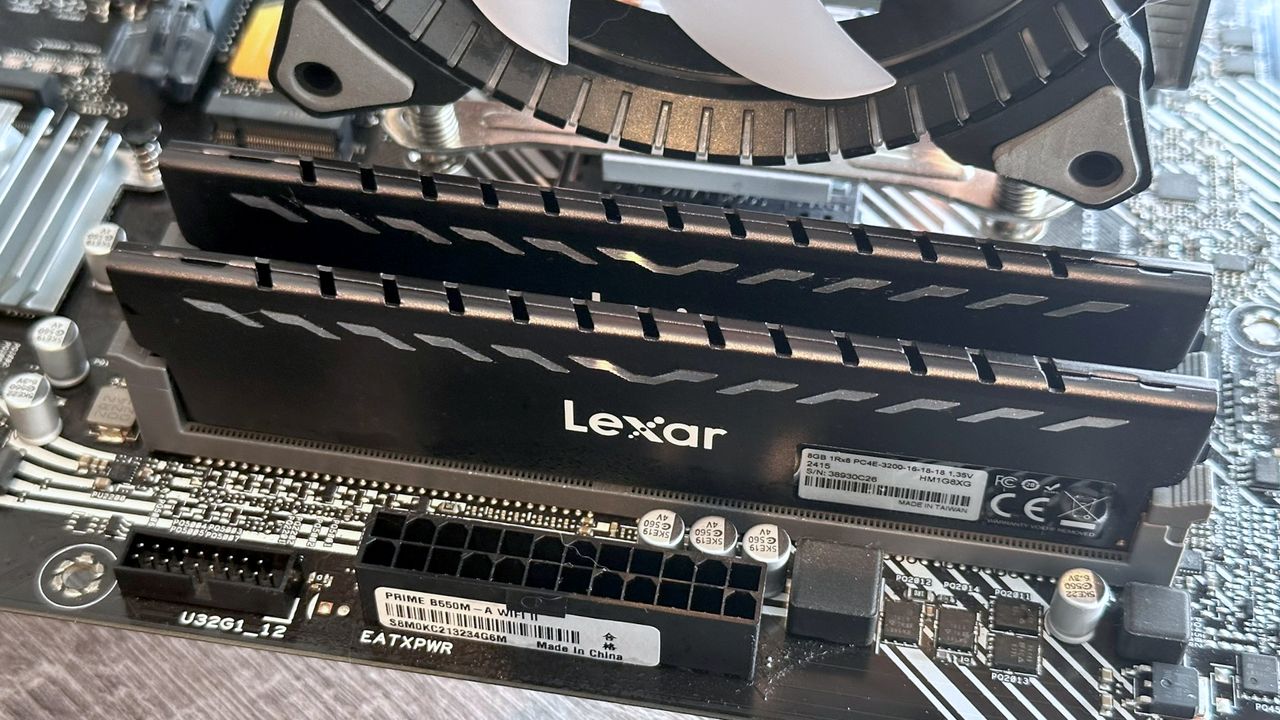
RAM Prices Drop 5% After Historic Spike: Is Relief Finally Here?
It has been a rough journey for RAM prices, but there is finally a glimmer of hope on the horizon as spot prices drop by 5%. While this marks the first break in months of relentless growth, the time for celebration feels premature given that memory costs remain sky-high. The industry's bottomless appetite for system storage and memory has created a severe supply crisis, driving prices to levels previously thought impossible. Even with this recent dip, RAM spot prices are still astronomically higher than they were just a year ago.
The Stark Reality of Recent Price Fluctuations
To understand the current landscape, one must look at the sheer magnitude of the recent surge before the slight decline. DigiTimes reports that spot prices for 16 Gb DDR4 modules soared by an incredible 2,200% over the last year alone. Although prices have recently dipped by roughly 5%, the baseline remains staggering compared to historical norms.
The numbers paint a grim picture of where we stand today versus just months ago:
- DDR4 16Gb: Jumped from approximately $3.20 in March 2025 to a staggering $74.10 recently, despite the latest drop. This represents a massive overall increase even after the correction.
- DDR5 16Gb: Similarly saw prices fall by a comparable percentage, though it too experienced an enormous rise from $5.30 last year to $37.20 just last month.
While the recent downward trend is technically a relief, DDR5 still reflects a 600% increase overall compared to last year's rates. These figures highlight that while the immediate spike has moderated, the long-term damage to affordability is deeply entrenched.
Why Consumers Still Face Sky-High Costs in 2024 and Beyond
It is crucial to understand the limitations of discussing spot pricing when considering actual consumer upgrades. The recent price fluctuation has not yet reached the broader markets where PC manufacturers source their components. Consequently, even with the return of some discounts on the spot market, PC builders should brace for continued high costs in the near future.
Market research from last month suggests that affordable RAM is unlikely to arrive until 2028 at the earliest. Micron has stated they are seeing NAND demand significantly exceed their available supply for the foreseeable future. Furthermore, their newly built fabrication plants will not be able to support meaningful product shipments until 2028. This timeline feels distant, especially considering Samsung estimates its profits could be over eight times what they were during this same period last year.
A Grim Outlook for the Industry and Personal Computing
While some manufacturers are raking in record profits, others are preparing for a worst-case scenario regarding the AI memory crisis. Phison CEO Pua Khein-Seng has reportedly predicted that many consumer electronics manufacturers "will go bankrupt or exit product lines" by the end of 2026 due to these ongoing supply constraints.
The outlook from the hardware innovation sector is equally bleak. Framework founder Nirav Patel recently warned, "There is a very real scenario in which personal computing as we know it is dead." While this grim vision of the future might not come to pass, users thinking about upgrading their systems this year may want to reconsider until the supply chain stabilizes significantly. Until then, RAM prices remain a major hurdle for enthusiasts and professionals alike.