The tension between automation and collaboration defines modern AI discourse.
A New Paradigm for Human-Centered Design
Mira Murati, founder and chief executive of Thinking Machines Lab, has articulated a bold vision for AI that resists the dominant narrative of job displacement. Her assertion that humans must stay in the loop challenges the assumption that superior machine performance necessitates human obsolescence. By reframing AI as an assistant rather than a replacement, she aims to preserve agency while amplifying human potential.
- Core principle: Collaborative intelligence where humans guide algorithmic processes
- Technical approach: Models trained on multimodal interaction data (audio/video) to capture conversational nuance
- Business model: Platform enabling users to fine-tune frontier models via API, democratizing access beyond corporate silos
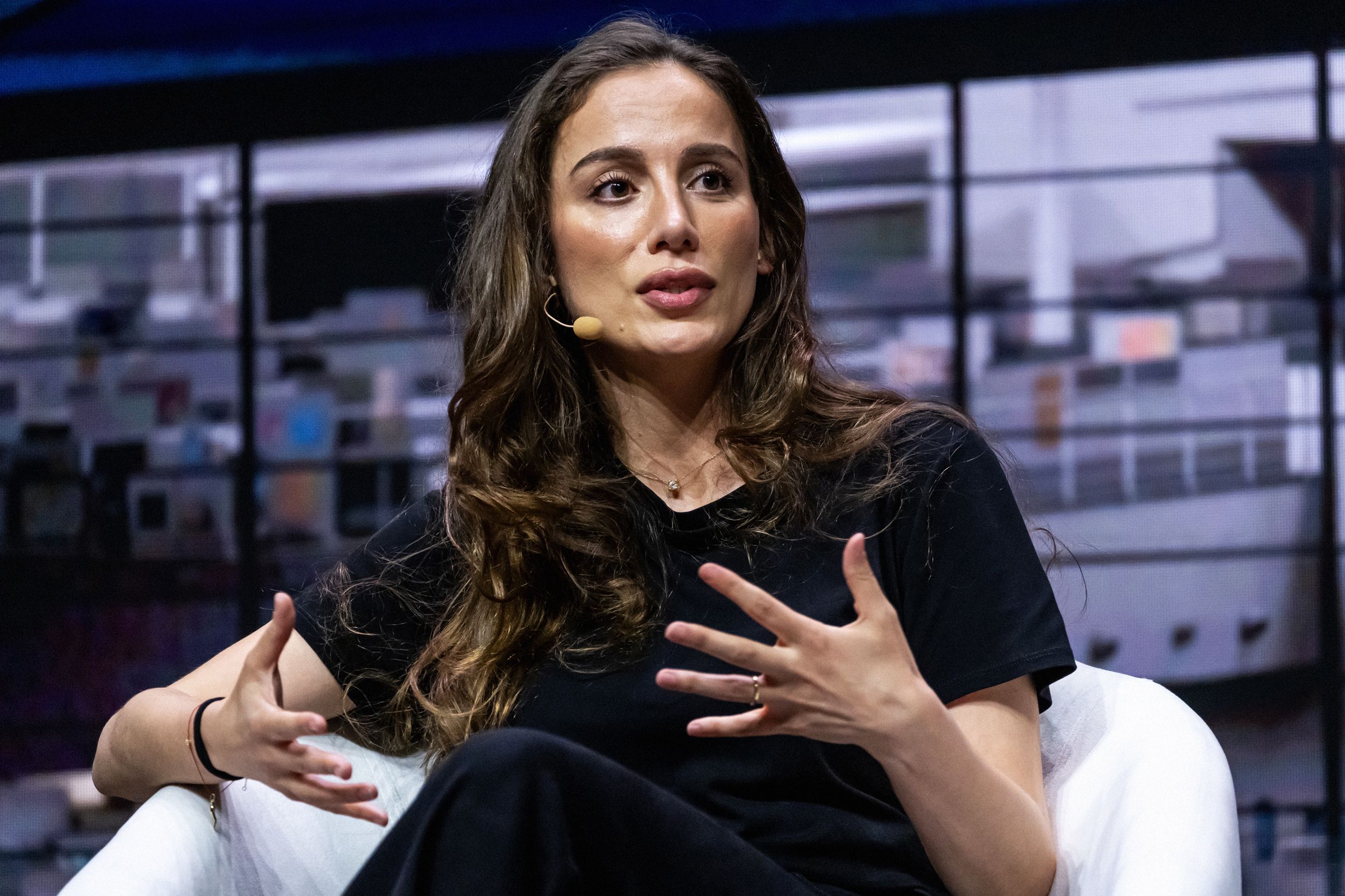
Murati’s background as former CTO of OpenAI lends credibility to her critique of unchecked automation. At WIRED’s San Francisco conference, she demonstrated how Thinking Machines’ interaction models process pauses, interruptions, and tonal shifts—features absent in text-only interfaces. These systems adapt dynamically, ensuring users retain control even during complex workflows.
The company’s Tinker API exemplifies this philosophy by allowing developers to modify open-source models with domain-specific data. Unlike closed systems prioritizing efficiency over customization, Thinking Machines emphasizes interpretability and user intent alignment. This approach aligns with broader calls from economists for AI that enhances rather than substitutes human labor.
Critics note that commercialization pressures may dilute such ideals. Yet Murati insists transparency remains non-negotiable; even as Thinking Machines previews consumer-facing features, its core philosophy centers on empowerment through collaboration. The upcoming release of “Interaction Models” promises deeper contextual understanding, potentially transforming fields from healthcare to creative arts by embedding human values into decision-making loops.
Regulatory scrutiny intensifies alongside technological progress. Governments worldwide debate frameworks balancing innovation and worker protection. Murati advocates for standards mandating explainable AI, arguing that keeping humans in the loop inherently improves accountability compared to opaque black-box systems. Such measures could reshape industry practices while preserving societal trust.
Market dynamics reveal both opportunities and challenges. Competing labs like Humans & pursue similar visions, but Thinking Machines’ substantial funding—billions secured since 2024—positions it as a frontrunner. Early adopters report enhanced productivity without workforce reduction, suggesting hybrid models may outperform purely automated solutions in long-term value creation.
Research indicates employees prefer AI augmenting skills rather than replacing roles. A 2025 study found 68% of surveyed professionals favor tools that adapt to human preferences over those demanding rigid compliance with machine logic. Murati’s framework directly addresses these preferences, positioning technology as an extension of personal capability rather than a threat.
Looking forward, the trajectory hinges on execution fidelity. If Thinking Machines delivers on interpretability promises, its collaborative architecture could redefine AI ethics benchmarks. Failure to maintain balance risks perpetuating anxieties about technological unemployment despite evidence supporting complementarity. Ultimately, Murati’s vision rests on proving machines serve humans—not vice versa—through deliberate design choices prioritizing dialogue over dominance.
This approach offers more than incremental improvement; it represents a fundamental reimagining of technological progress as inherently relational rather than transactional. As labs race toward superintelligence milestones, her emphasis on human continuity may prove pivotal for sustainable adoption across economies and cultures alike.