The scene unfolds with a single observer noting how even high-stakes legal proceedings have evolved to prioritize comfort amid prolonged sitting.
The Litigation Ergonomics Revolution
The courtroom has become an unintended showcase for premium seating accessories, revealing broader trends about how professional environments adapt to extended physical demands. Multiple participants—including legal teams from Microsoft and OpenAI—have adopted specialized cushions to mitigate fatigue during marathon sessions. These range from luxury branded designs to standard ergonomic inserts, each chosen based on perceived comfort benefits and subtle status signaling.
- Luxury branding as comfort signal: High-end products like Purple-branded cushions double as status symbols and practical aids, subtly broadcasting resources available to corporate litigants.
- Ergonomic necessity: Extended hours in fixed positions can cause discomfort; cushions help maintain posture without disrupting focus on proceedings.
- Unprecedented courtroom norms: While not typical, such accessories reflect how prolonged trials push participants to seek marginal improvements.
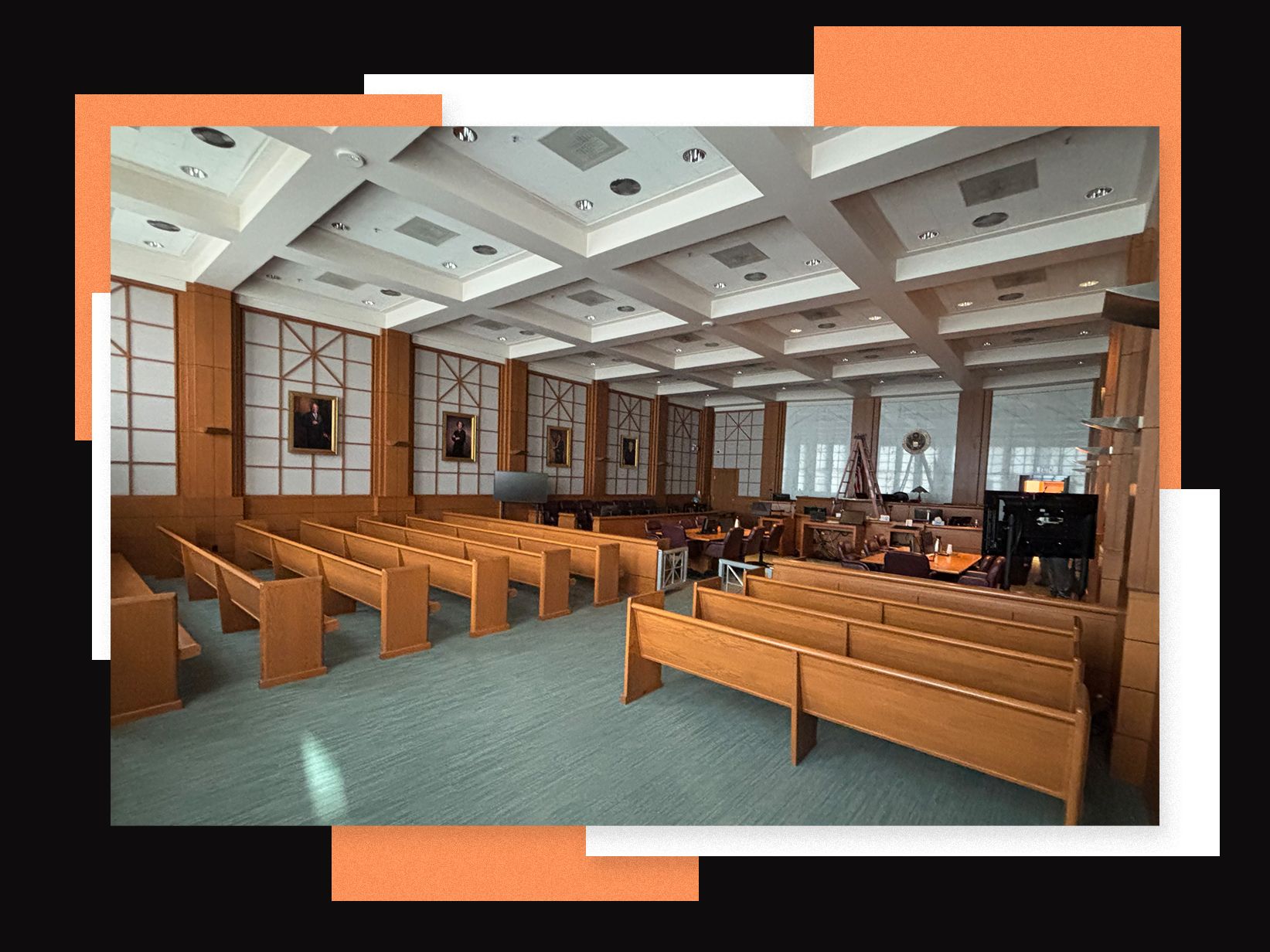
The visual contrast between austere wood benches and sleek modern cushions underscores the tension between tradition and contemporary ergonomic awareness. Attorneys have discreetly introduced pillows, often matching brands worn outside legal settings, blending personal preference with professional decorum.
Brand Preferences and Public Perception
Observers noted distinct preferences for certain manufacturers, particularly those offering both style and cushioning effectiveness. Well-known retailers and niche designers alike appear on the trial roster, their logos subtly aligning with influential parties. This phenomenon raises questions about how material culture intersects with public perception of corporate influence.
- Brand visibility: Prominent logos turn functional items into passive advertisements during high-visibility events.
- Resource allocation: Spending on premium seating indicates that larger firms can afford to experiment with comfort innovations.
- Media impact: Images of cushions circulate online, influencing how audiences view legal teams and corporate resources.
Such choices highlight evolving expectations for workplace accommodations even in ostensibly formal environments. The trial’s public nature amplifies the visibility of these otherwise private decisions.
Legal Strategy and Practical Considerations
Legal professionals weigh ergonomic benefits against potential distractions or procedural concerns when introducing such accessories. While courts generally favor minimalism, judges have allowed reasonable comfort adjustments to prevent undue strain over long sessions. This balance reflects a practical acknowledgment that well-rested participants contribute more effectively to advocacy.
- Procedural approval: Judges typically permit minor comfort enhancements if they do not disrupt proceedings or create inequities among parties.
- Health implications: Ergonomics research links proper seating to reduced fatigue, improved concentration, and sustained performance over extended periods.
- Precedent setting: This trial may set informal guidelines for other long-duration legal events, normalizing modest ergonomic investments.
The interplay between health considerations and courtroom decorum illustrates how practical needs gradually reshape institutional norms without overtly challenging tradition.
Broader Implications for Workplace Culture
Beyond litigation, the phenomenon signals a wider shift toward recognizing physical well-being in high-pressure environments. Companies increasingly invest in ergonomic furniture as employee retention and productivity depend on comfort. The trial’s cushions serve as an informal case study of how pressure points—both literal and metaphorical—drive incremental change across industries.
- Corporate wellness investment: Spending on office health reflects growing awareness of preventive care.
- Normalization of comfort: What starts in specialized settings often diffuses into standard practices over time.
- Symbolic value: High-profile displays reinforce perceptions about priorities and resources within organizations.
The evolution from plain benches to curated seating solutions mirrors broader cultural movements toward human-centered design.
Final Assessment
The Musk v. Altman trial demonstrates that even the most traditional settings adapt when physical demands necessitate innovation. The proliferation of fancy butts on courtroom benches underscores how comfort, visibility, and practicality intersect in unexpected ways. Observers benefit from both tangible relief and symbolic reassurance that modern needs are being met—even when the subject involves something as seemingly trivial as a cushion.
As legal proceedings continue to evolve alongside workplace standards, such details remind us that effective advocacy often rests not just on argumentation but also on the subtle art of sustaining focus through thoughtful attention to human requirements.