The Drill That Wouldn’t Release
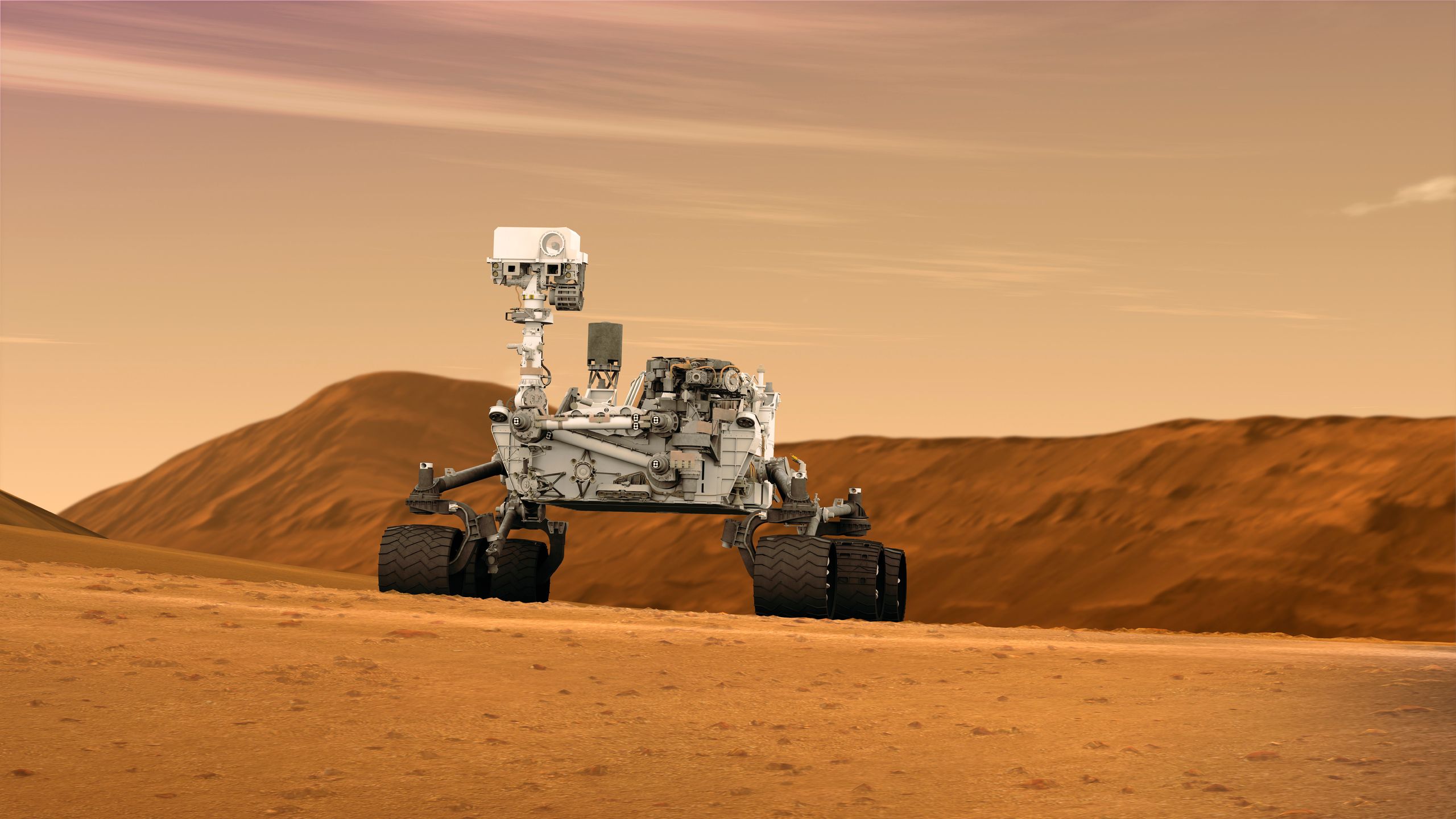
NASA’s Curiosity rover recently faced a mechanical nightmare that tested the limits of its engineering and the ingenuity of its ground team. While traversing the surface of Mars, the rover’s drill became firmly lodged on a Martian rock nicknamed "Atacama." This incident, captured by the rover’s obstacle-detection cameras, forced engineers to halt scientific operations and devise creative solutions over several days to free the stuck hardware without damaging the 14-year-old vehicle.
This was not a minor glitch. It marked the first instance in the mission’s history where a rock remained stuck to the drill sleeve, defying all prior drilling patterns and protocols.
Decoding the Technical Challenge
The core of the problem lay in the unexpected behavior of the rock itself. When the rover’s robotic arm retracted, the rock exhibited a sudden lift, complicating extraction efforts in ways that standard troubleshooting guides could not address.
Engineers had to navigate a narrow margin for error. Each adjustment required precise calculations to avoid further damage to the rover’s delicate systems or its suite of scientific instruments. The stakes were high: a forced release could have snapped the drill bit or damaged the arm’s joints, potentially ending the drilling capability of one of NASA’s most successful Mars missions.
The team had to rely on real-time diagnostics provided by onboard cameras to identify the exact point of friction, accelerating their decision-making cycles in an environment where immediate physical intervention was impossible.
The Step-by-Step Rescue Protocol
To free the drill, engineers executed a complex, multi-step protocol that combined mechanical adjustments with iterative testing. The process was far from immediate, requiring a shift from brute force to nuanced manipulation.
The initial attempts involved simple vibration to shake the rock loose, but these efforts failed to dislodge the material. This failure prompted a critical reassessment of how force was being applied.
On April 29, the strategy shifted. Engineers executed the following sequence of actions:
- Repositioning the Arm: The robotic arm was carefully moved to alter the angle of contact, reducing direct friction against the rock.
- Resumed Vibration: With the new angle, vibrations were reintroduced, allowing Martian sand to dislodge some of the embedded material.
- Dynamic Rotation: The team began tilting the drill and rotating it dynamically to find weak points in the rock’s structure.
- Torque Adjustment: They incrementally increased the torque, testing the limits of the rock’s grip without exceeding the drill’s mechanical thresholds.
Success Through Adaptive Problem-Solving
The decisive moment arrived on May 1. By combining the previous day’s adjustments with enhanced torque application, the approach succeeded instantly. The rock fractured upon contact with the Martian soil, eliminating the need for prolonged and risky manipulation.
This episode underscores the immense value of adaptive problem-solving in extraterrestrial robotics. While setbacks are inevitable during long-duration missions, rapid iteration and data-driven adjustments prove critical to mission continuity. The success not only reinforced NASA’s confidence in Curiosity’s resilience but also set a vital precedent for handling analogous mechanical stresses on future missions.
Lessons for Future Exploration
The ordeal serves as a powerful reminder that even well-tested systems encounter unforeseen variables. However, rigorous testing combined with pragmatic troubleshooting ensures sustained exploration capabilities.
Key takeaways from this event include:
- Modular Flexibility: The drill’s design allowed for incremental modifications without compromising its overall functionality, which was crucial for finding a solution.
- Design Improvements: Future iterations of Martian rovers may incorporate redundant actuation paths or softer interface materials to mitigate similar risks of mechanical locking.
- Resilience in Design: The ability to recover from a "first-of-its-kind" failure highlights the importance of designing systems that can be adapted in real-time.
As missions extend deeper into space, the principles demonstrated during this drill recovery will remain foundational to overcoming the unpredictable challenges of interplanetary science.