Nothing Phone 4a Pro Review: A Mid-Range Contender with Camera Focus
The Nothing Phone 4a Pro arrives as a serious contender in the crowded mid-range sector, launching with a starting price of $499. While it forgoes the prestige of a flagship processor or exotic titanium chassis, it refuses to compromise on premium aesthetics and, most importantly, photographic prowess. If you are seeking a high-value smartphone that prioritizes camera capabilities without breaking the bank, this device warrants close attention.
Design and Build Quality
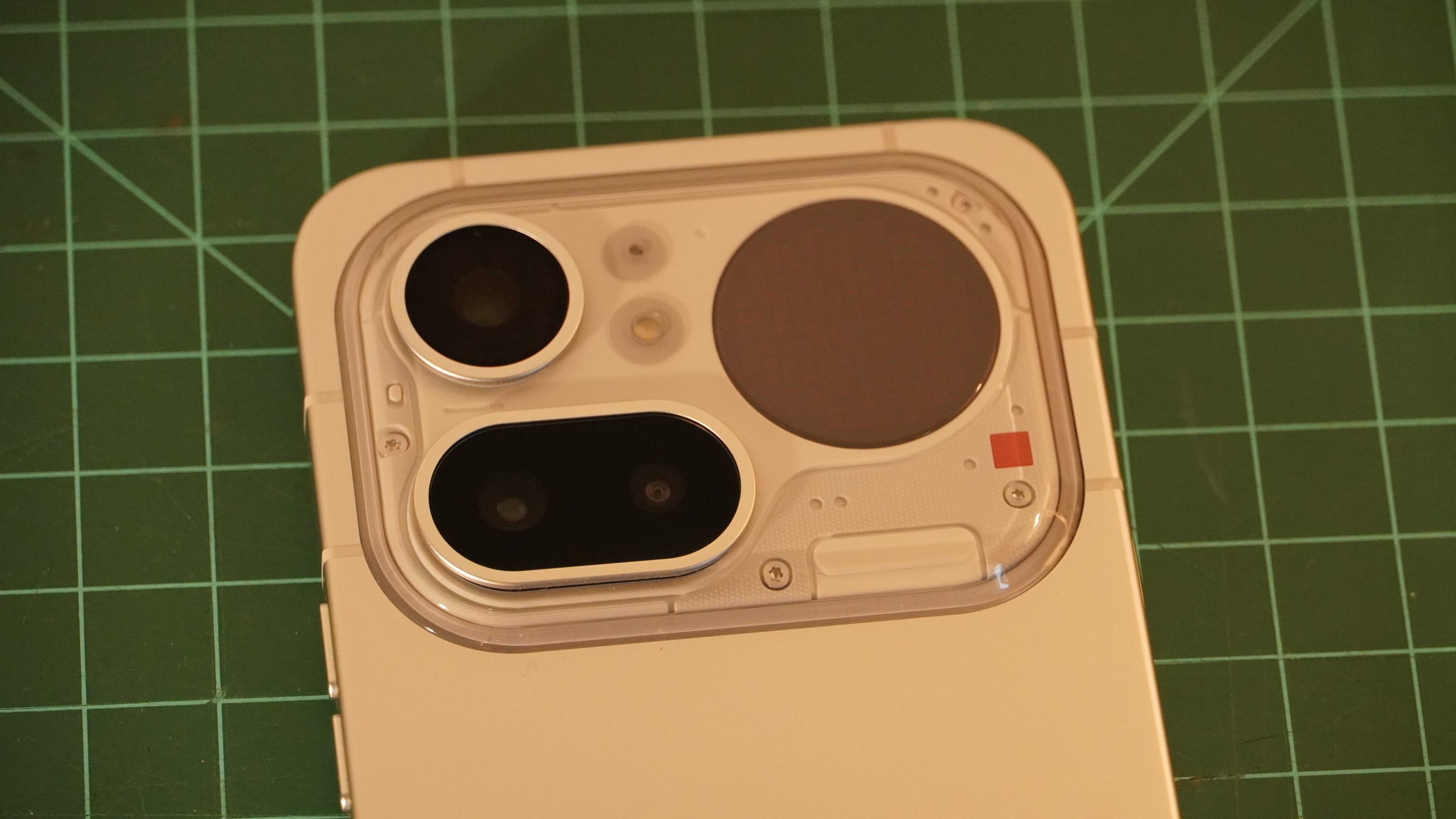
Nothing has delivered perhaps its most tasteful design to date. The phone features a metal frame that wraps around the edges and sweeps across the back, reminiscent of Apple’s recent design language, though it notably omits the wireless charging cutout. The camera housing is a distinct plastic mound, blending iPhone influences with Nothing’s signature multi-tone color scheme, visible screws, and a roughly one-inch circle housing the Glyph Matrix display.
The camera layout is funky and distinctive: two lenses share a pill-shaped cover, while the third stands apart in its own housing. The build feels solid and substantial in the hand due to the extensive metal contact points. However, it is a large device—just over three inches wide and 6.44 inches tall—which may feel unwieldy for smaller hands, though it remains comparable in size to the iPhone 17 Pro Max.
Key Design Features:
- Metal Frame Construction: Provides a premium feel and structural integrity.
- Glyph Matrix Display: A 137-dot LED array on the rear for notifications and quick interactions.
- Selfie Mirror: Automatically activates when the camera is running, aiding in framing, though the low dot resolution makes it difficult to distinguish details.
- IP65 Rating: Offers protection against dust and low-pressure water, but is not suitable for pool or pond submersion.
Display and Hardware Specifications
The Nothing Phone 4a Pro boasts a stunning 6.83-inch AMOLED panel with a resolution of 1280x2800. This results in exceptionally sharp visuals, gorgeous color depth, and respectable brightness levels that handle most environments well, despite some glare issues. The 144Hz refresh rate ensures smooth scrolling and interaction in daily use, though gamers should not expect this high frame rate during intensive gaming sessions.
Under the hood, the phone supports both physical SIMs and eSIM, a significant advantage over Pixel and iPhone devices that are trending toward eSIM-only configurations. Connectivity includes Bluetooth 5.4 and dual-band Wi-Fi 6, with 5G performance proving reliable during testing on T-Mobile networks in Chicago.
The USB-C port, however, is a notable limitation. It is limited to USB 2.0 speeds and lacks display output capabilities. On the positive side, it supports 50W fast charging. It is important to note that due to the aluminum rear panel, wireless charging is not available.
Software and AI Integration
The device ships with Android 16 and is promised three major OS upgrades and four years of security patches. While this update timeline is shorter than those offered by Google, Samsung, and Apple, it is competitive for the mid-range market. Users should anticipate the need to upgrade hardware sooner rather than later, especially as on-device AI processing becomes increasingly demanding.
A central feature is the AI button on the left edge, which integrates with Nothing’s “Essential Space.”
- Tap: Captures a screenshot and allows for quick note-taking.
- Hold: Initiates a voice memo recording.
Important Privacy Note: The Essential Space app requires full access to your photo and video library to function. It detects if limited access is granted and will refuse to operate if permission is not total. Users uncomfortable with AI applications having such broad data access may find the AI button redundant.
Nothing’s software skin offers a choice between a stylish, minimalist black-and-white theme or a basic, colorful interface. The minimalist design is sleek but can make app icons difficult to recognize, potentially impacting legibility. Beyond these aesthetic choices, the Android experience feels familiar and straightforward, similar to a Pixel device.
Performance and Gaming
Nothing has historically prioritized value over raw performance, and the 4a Pro continues this trend. While it does not boast a flagship chip, the device is optimized for daily tasks and moderate gaming. The 144Hz display helps with perceived smoothness, but users should manage expectations regarding sustained high-performance gaming. The combination of efficient software and capable hardware ensures a balanced experience for the average user, particularly those who value camera quality and design over benchmark scores.
Final Verdict
The Nothing Phone 4a Pro successfully carves out its niche by emphasizing design and photography. It lacks some modern conveniences like wireless charging and high-speed USB, but its strong camera system, unique aesthetic, and competitive pricing make it a compelling option for mid-range shoppers.