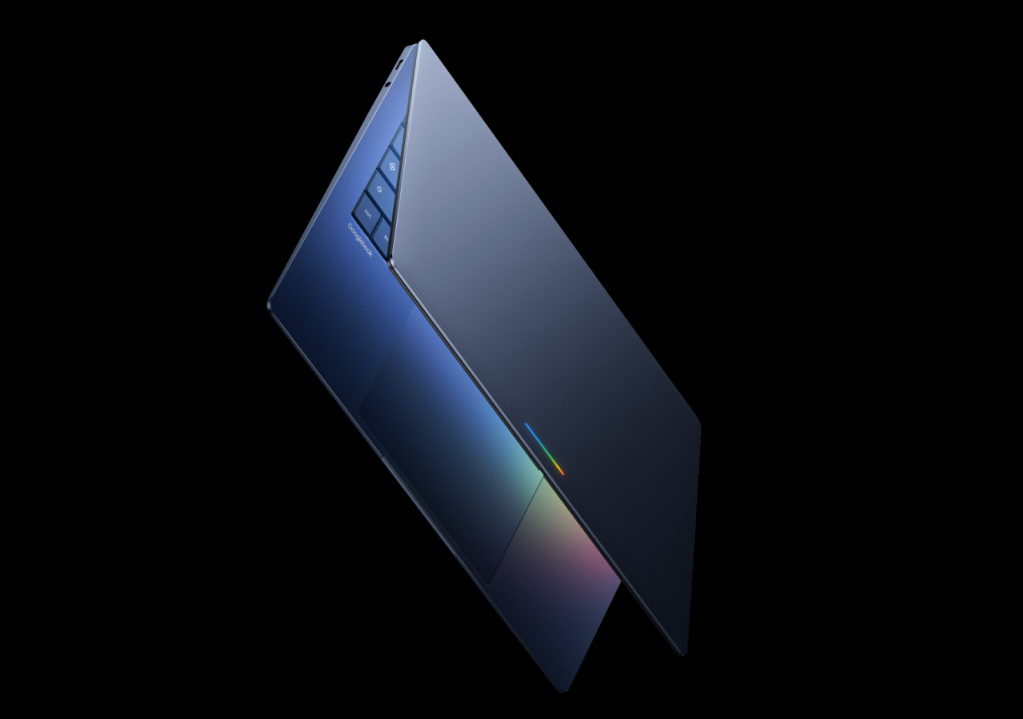
Googlebooks: The Dawn of AI-Native Laptops
The first time you touch a Googlebook, the screen flickers to life not with a traditional boot logo but with a subtle invitation: your cursor transforms into a responsive intelligence, ready to anticipate your next move. This is not merely another laptop announcement; it marks the moment when personal computing begins to dissolve the friction between human intent and machine action.
Google has engineered its first AI-native line of laptops under the codename Googlebooks, embedding Gemini directly into the silicon and firmware. Unlike traditional devices where AI functions as add-on widgets or cloud-dependent assistants, these machines treat Gemini as the core operating system’s nervous system. This deep integration allows for real-time reasoning and proactive assistance that feels less like using software and more like collaborating with an intelligent partner.
Core Innovations Redefining Productivity
The Googlebooks lineup is built on several key innovations designed to make the device feel alive. By moving beyond static interfaces, Google aims to create a computing experience that adapts to the user’s workflow in real time.
- Magic Pointer: The AI cursor interprets gestures not just as pointers but as contextual queries. Hovering over a date in an email triggers instant meeting setup, while dragging two images surfaces visual matching without manual search.
- Seamless Mobile Integration: Googlebooks act as extensions of Android phones, letting users launch apps like Duolingo or pull files directly from their phone without switching devices.
- Dynamic Widget Creation: With the “Create your Widget” tool, Gemini synthesizes custom dashboards by aggregating web data and syncing with Gmail, Calendar, and other Google services.
- Proactive Workflows: Planning a trip to Berlin? The laptop gathers flight confirmations, hotel details, and restaurant reservations, even building a countdown—all orchestrated by contextual AI prompts.
These features represent a shift from reactive computing to proactive assistance, where the device anticipates needs before they are explicitly voiced.
Strategic Implications for the PC Landscape
This unveiling signals a significant platform shift from ChromeOS’s browser-centric model toward an Android-based OS fortified with native AI capabilities. Google is positioning itself not only to compete with Microsoft’s Copilot+ PCs but to redefine what a "laptop" means in an era where responsiveness and intelligence are table stakes.
The transition will likely accelerate enterprise adoption, as organizations seek devices that can automate routine tasks while maintaining security and compliance standards tied to Google Workspace. By partnering with legacy OEMs like Acer, Asus, Dell, HP, and Lenovo, Google ensures a diverse portfolio of form factors, ranging from ultra-portable slates to workstation-class machines.
Market Positioning and Competitive Context
While Microsoft has already pushed AI-first hardware since 2024, Google’s approach emphasizes built-in intelligence rather than relying on external cloud inference alone. This strategy allows Googlebooks to avoid the "walled garden" pitfalls that have limited other ecosystems, offering a more open yet integrated experience.
The devices are expected to launch this fall, targeting both consumers and professionals who demand instantaneity in hybrid workflows. By grounding AI capabilities directly into hardware, Google has positioned itself to lead an evolution that prioritizes fluidity over fragmentation.
Why This Matters for Users
For educators, creators, and remote workers, the convergence of Gemini, hardware engineering, and software integration offers a glimpse into the next decade of personal computing. Users will gain:
- Fewer toggles between apps.
- Reduced cognitive load from manual searches.
- Richer interactions that anticipate needs before they are voiced.
This translates into tangible gains in efficiency, creativity, and mental bandwidth. The debut of Googlebooks is more than a product drop; it is an assertion that intelligence should be intrinsic to the tools we use daily. As OEM partners refine designs and Google deepens Gemini’s integration, the line between assistant and device will blur further, testing whether this vision delivers on its promise of smoother collaboration and smarter automation.