The Jackass Trophy: How OpenAI’s Legal Theater Redefined Tech Litigation
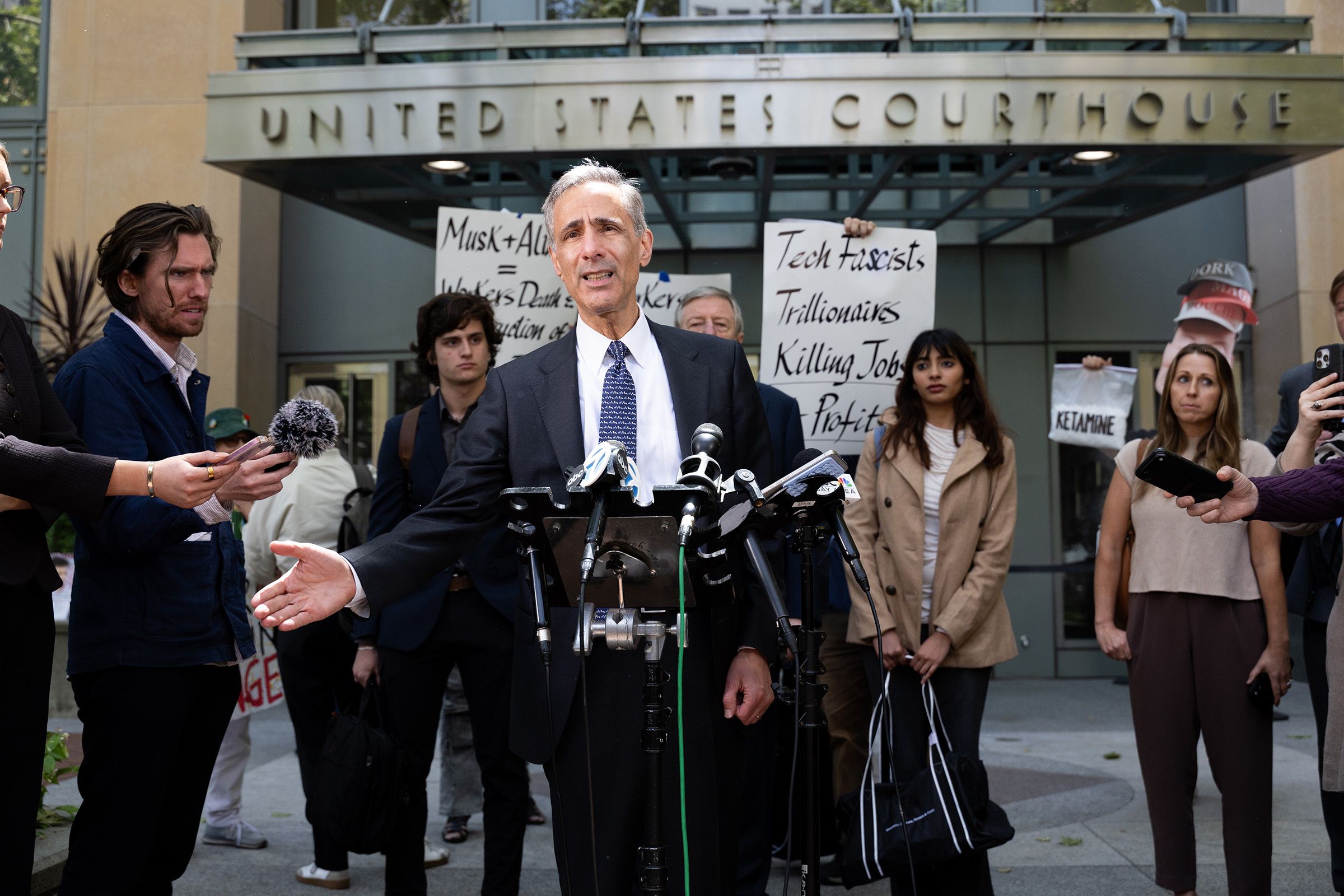
The courtroom drama of Musk v. Altman has introduced an unprecedented element into federal litigation: a physical trophy representing corporate irreverence and legal theater. This artifact, presented during proceedings in Oakland, seeks to humanize abstract claims of misconduct and strategic control within AI development. Its inclusion reflects a broader shift toward visual evidence in high-stakes disputes between tech titans, blurring the lines between serious legal strategy and viral media spectacle.
Symbolic Evidence vs. Judicial Skepticism
OpenAI’s legal team argued that the object, depicting an anthropomorphized donkey with the inscription “Never stop being a jackass for safety,” provides tangible corroboration of witness testimony. The move was a bold attempt to leverage humor to contrast with serious allegations of financial mismanagement, framing OpenAI’s branding as both disruptive and self-aware.
However, the strategy met with immediate judicial skepticism. Judge Yvonne Gonzalez Rogers expressed reservations about admitting the item, citing concerns over relevance and procedural fairness. This clash highlights the tension between:
- Physical Evidence vs. Testimonial Narratives: Can a satirical statue validate complex financial claims?
- Legal Precedent: Allowing symbolic evidence could broaden the scope of what qualifies as admissible material in complex tech disputes.
- Ethical Questions: The episode raises dilemmas about accountability when corporate leadership blurs lines between culture and governance.
The Broader Implications for Corporate Accountability
The case hinges on whether OpenAI diverged from its original mission to democratize AI safety. Elon Musk’s complaint alleges the misuse of donor funds, while Sam Altman’s team contends that strategic decisions prioritized market dominance over ethical safeguards. The courtroom spectacle—complete with a gold statue—highlights these tensions between innovation and oversight.
Visual props like this amplify media coverage, often shaping public sentiment more than technical depositions. As outlets frame the trial as a defining moment for AI governance, they elevate technical minutiae into mainstream discourse. The public’s appetite for drama in boardrooms is now a factor as significant as the legal arguments themselves.
Cultural Context and Industry Echoes
OpenAI’s embrace of provocative imagery mirrors its public posture—unapologetically candid amid rapid growth. Comparisons to Tesla’s internal dynamics and xAI’s formation illustrate a sector grappling with existential choices about scale versus safety. Meanwhile, employee communications reveal fractures within once-unified teams, suggesting that the legal battle is merely the tip of the iceberg.
Social media amplifies every courtroom detail, turning legal strategy into viral content. This cross-platform attention forces a reconsideration of evidentiary norms in an age where branding and governance are inseparable. The outcomes may influence how companies balance transparency with competitive secrecy in emerging markets.
The Intersection of Artifice and Reality
The intersection of artifice and reality in this case forces a reconsideration of evidentiary norms. Whether the trophy secures legal precedent or becomes a footnote depends on judges’ interpretations—and the public’s appetite for drama. Critical analysis reveals that beyond legal technicalities, the episode signals deeper shifts in how power is displayed, contested, and remembered within technology’s elite circles.
The trial underscores that modern litigation increasingly blends spectacle with substance, challenging courts to adapt while preserving due process. As evidence evolves from documents to symbols, stakeholders must navigate this hybrid landscape with both rigor and imagination.