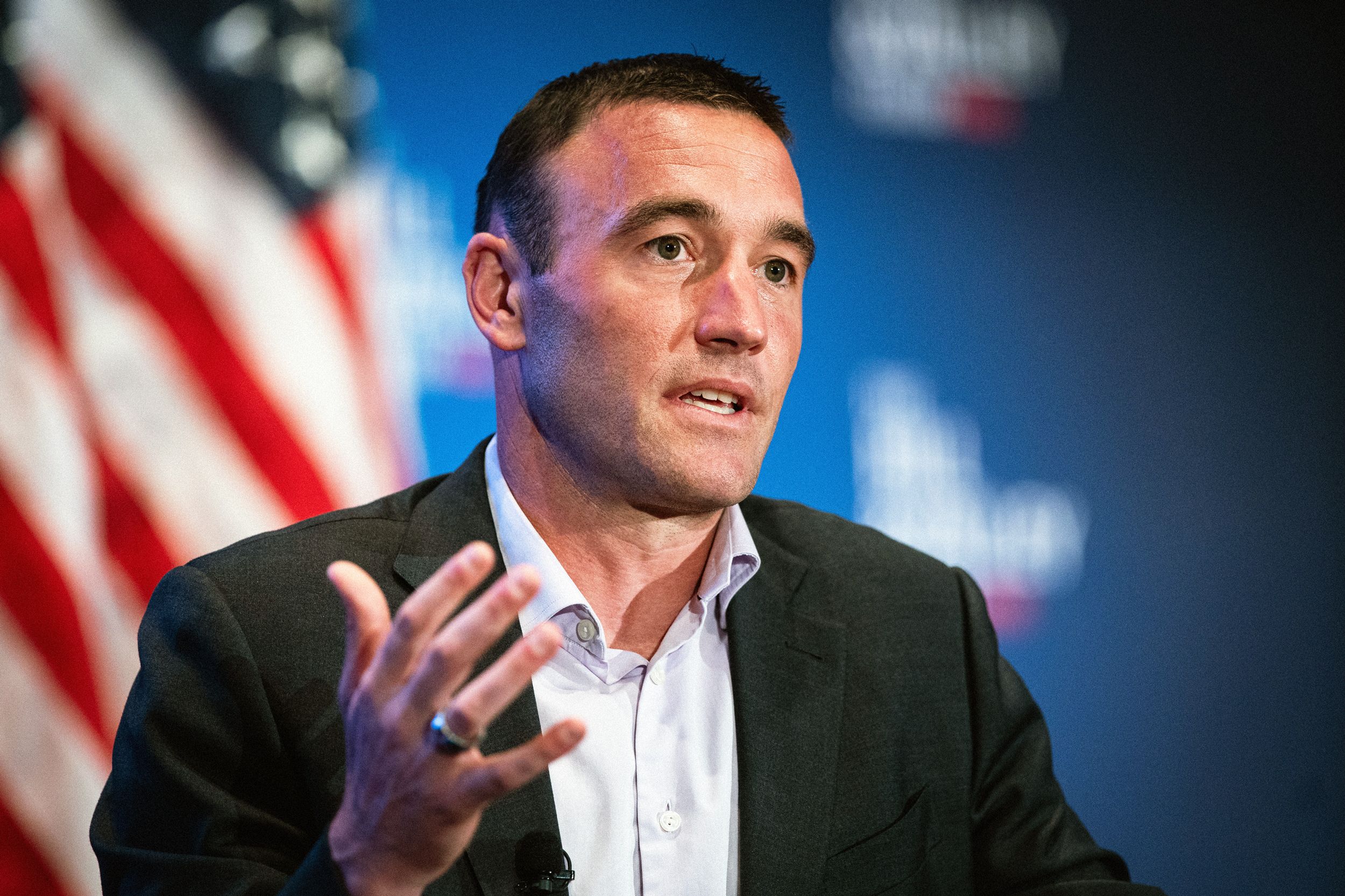
The landscape of generative AI is shifting from unbridled experimentation toward a disciplined, product-centric era. Amidst this transition, news has emerged that OpenAI executive Kevin Weil is leaving the company. His departure highlights a fundamental change in how the organization manages its most ambitious research initiatives.
The Decentralization of OpenAI for Science and the Departure of Kevin Weil
As the former Chief Product Officer, Weil had recently pivoted to lead "OpenAI for Science." This was an ambitious project intended to bridge the gap between large language models and scientific discovery. Following his exit, this initiative is being decentralized.
The members of the science team will now be redistributed across OpenAI's existing product, research, and infrastructure teams. This restructuring marks a move away from specialized silos toward integrated development.
Additionally, the company is sunsetting Prism, a web application launched in January to assist scientists. OpenAI plans to fold Prism's capabilities into its Codex desktop application.
This consolidation aims to reduce product fragmentation. The ultimate goal is to build an "everything app" centered around coding and developer workflows.
A Pattern of Executive Turnover
The exit of Kevin Weil is not an isolated event but part of a broader wave of leadership changes. OpenAI is currently navigating intense reorganization, marked by several high-profile departures:
- Srinivas Narayanan, CTO of enterprise applications, has left to spend time with family.
- Bill Peebles, the former head of the Sora video-generation project, has also announced his departure.
- Fidji Simo, CEO of AGI deployment, is currently on medical leave, leading to interim oversight roles.
These exits occur while the company's internal structure faces heavy scrutiny. While CEO Sam Altman has acknowledged the "intense, chaotic, and high-pressure" nature of recent years, the firm appears determined to transition from its "scrappy startup" roots into a stable, platform-oriented entity.
The Pivot Toward Enterprise and Coding
The strategic direction for OpenAI is becoming increasingly clear: prioritize enterprise offerings and robust developer tools over experimental consumer applications. This shift has already led to the discontinuation of projects like Sora in favor of efforts that drive revenue and utility.
By focusing resources on Codex, OpenAI is positioning itself to compete directly with rivals such as Anthropic in the burgeoning AI agent and coding market.
As the company prepares for a potential IPO, the need for a streamlined product roadmap and stable leadership has become paramount. The transition from a research-led laboratory to a commercial powerhouse requires a level of operational discipline that is often at odds with the experimental spirit of its early years.