Traditionally, the utility of a meeting recorder has been measured by its ability to preserve the past. However, Otter’s new feature lets users search across their enterprise tools, attempting to leverage archives to illuminate the present. This shift represents a fundamental change in how AI-driven productivity tools are positioned, moving from simple utility apps to centralized, intelligent workspaces.
Leveraging MCP for Cross-Platform Intelligence
The era of isolated transcription services is rapidly closing as companies like Read AI, Fireflies.ai, and Fathom compete for dominance. Otter’s latest move is a direct response to this pressure, utilizing the Model Context Protocol (MCP) to function as an integrated client within a user's existing ecosystem.
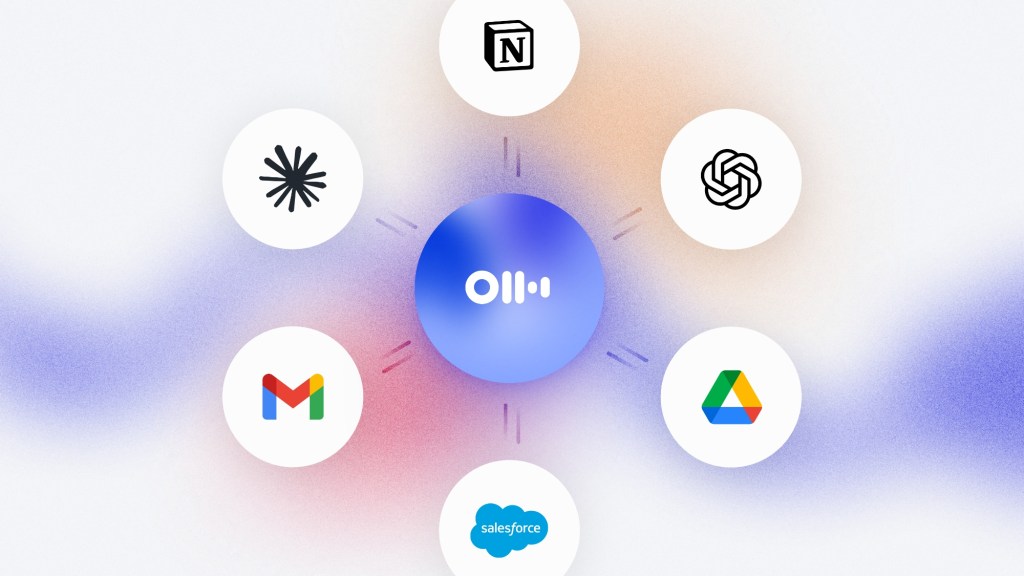
By adopting MCP, Otter can bridge the gap between disparate data silos. Instead of acting as a closed loop that only knows what happened during a recorded call, the platform can now ingest and query data from external sources. This allows for a level of cross-referencing that was previously impossible.
How Otter’s new feature lets users search across enterprise tools
Through this integration, a user can ask the AI assistant about a specific project milestone and receive an answer that synthesizes information from both a recent meeting transcript and a technical documentation update. The implications for enterprise workflows are significant:
- Cross-platform querying: Users can search through Gmail, Google Drive, Notion, Jira, and Salesforce simultaneously.
- Automated Workflows: The ability to "push" data, such as sending an automated meeting summary directly into a Notion database or drafting a follow-up via Gmail.
- Future Ecosystem Expansion: Planned integrations include the Microsoft suite, specifically targeting Outlook, Teams, and SharePoint.
The Debate Over AI Presence in Digital Meetings
A critical component of this evolution is the redesign of Otter’s AI assistant. The interface has been overhauled to ensure the assistant is a persistent presence, capable of understanding the specific context of the current screen or channel. This means the AI isn't just searching a database; it is interpreting the user's immediate digital environment.
This technological advancement arrives amidst an ongoing industry debate regarding the "presence" of AI in meetings. A growing trend, led by newcomers like Granola, involves "botless" meeting capture. This method records system audio directly from a device without a visible participant joining the call to avoid the perceived surveillance of a third-party entity.
However, Otter is doubling down on the traditional model of a visible, joining bot. According to CEO Sam Liang, enterprise clients often prioritize the transparency that a visible attendee provides. For large organizations, having a clear, identifiable participant ensures all attendees are aware that meeting notes are being generated and shared.
Scaling Toward an AI Orchestration Layer
The scale of Otter’s growth suggests that the market for integrated workspaces is expanding rapidly. With a reported jump from 25 million to 35 million users, the platform demonstrates that the demand for centralized, searchable intelligence is outstripping simple transcription.
As the boundaries between different SaaS applications continue to blur through protocols like MCP, we are likely to see the emergence of the AI Orchestration Layer. These tools will not merely record or summarize; they will act as the connective tissue of the modern corporation.
The success of this transition will depend on whether Otter can maintain user trust while managing the increasing complexity of connecting so many high-stakes data sources. Ultimately, Otter’s new feature lets users search across their enterprise tools to provide a unified view of truth for the modern workforce.