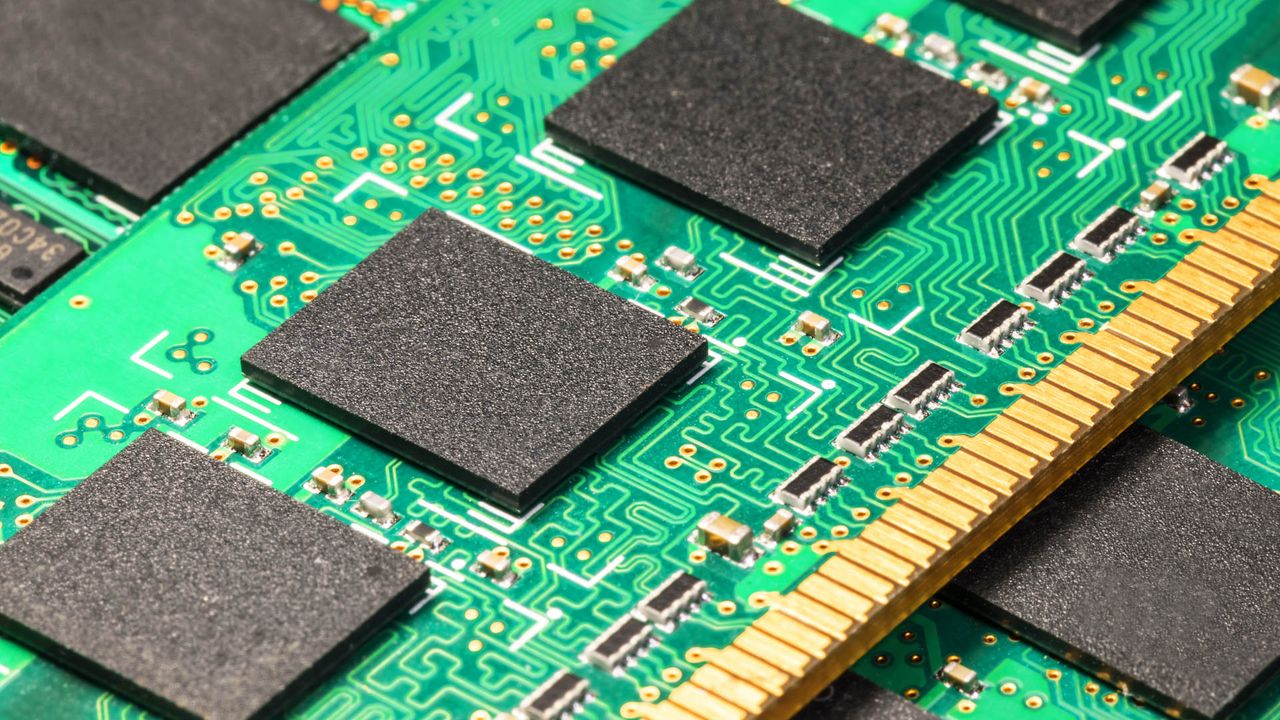
There are two very different worlds at play right now. One is the consumer's world, where we fight for whatever scraps of expensive memory remain after AI datacenters have taken their share. The other belongs to chipmakers and shareholders, where a massive Samsung DRAM price increase signals a period of unprecedented profit.
A Record Low in Demand Fulfillment
Samsung’s latest earnings call highlights a staggering disconnect between supply and demand. The world's largest memory maker is currently navigating a landscape where available inventory cannot keep up with global needs.
During the call, Samsung officials noted: "We also have very tight inventory and available supply is far short of customer demand. In fact, our demand fulfillment rate is now at a record low. And unlike previous years, customers who are concerned about supply shortages are actually bringing forward their demand for 2027 already. So currently, just based on prebooked demand alone, the supply-demand gap is looking to widen further in 2027 versus this year."
The AI "RAMpocalypse" and Rising Costs
The primary driver behind this shortage is the insatiable appetite of the AI industry. This surge in demand for high-performance memory has triggered what many are calling a "RAMpocalypse," leaving much of the market struggling to find stable pricing or available stock.
While the supply gap is widening, the financial impact on Samsung is undeniably positive. The company's recent report shows significant growth in their Average Selling Prices (ASP):
- DRAM ASP: Increased by the low 90% range Q-on-Q.
- NAND ASP: Increased by the high 80% Q-on-Q.
To put this Samsung DRAM price increase into non-investor terms, the company is selling its memory chips—both for RAM and SSDs—at much higher rates than they were just last quarter. Essentially, the company is making significantly more money per unit sold.
Potential Risks to the Supply Chain
Despite the current windfall, Samsung is not entirely immune to external volatility. While the Samsung DRAM price increase is currently driven by AI demand, geopolitical instability could introduce new complications.
Ongoing conflict in the Middle East remains a point of concern for global logistics. Although Samsung stated there are "no supply chain issues to date" regarding these tensions, the industry remains on edge as they monitor how global events might impact future production and distribution.