Toronto police have successfully dismantled a sophisticated SMS blaster crew responsible for flooding thousands of devices across the city with malicious text messages. This crackdown marks the first documented instance of such an operation being uncovered in Canada, highlighting a growing threat within the country's cellular infrastructure.
The investigation, which began in November 2025, led to the arrest of 44 suspects. Among those detained are three primary operators believed to be at the helm of the coordinated attack.
How an SMS Blaster Operation Works
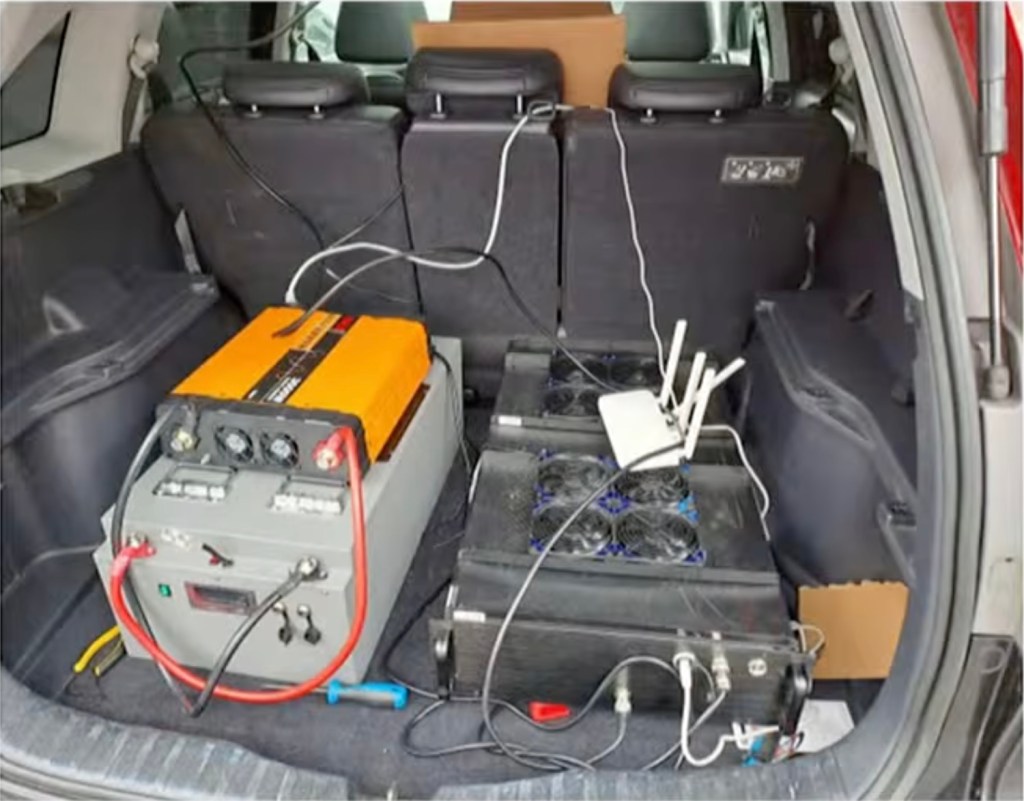
To understand the scale of this threat, it is essential to look at how an SMS blaster exploits cellular vulnerabilities. These devices work by spoofing legitimate cell towers and broadcasting signals stronger than those from official networks. This deception forces nearby smartphones and tablets to connect to the rogue equipment instead of functional towers.
The technology specifically targets 2G cellular networks. Because these legacy systems lack the robust encryption protocols found in modern 4G and 5G systems, they are highly susceptible to:
- Signal Interception: Eavesdropping on data transmissions.
- Tower Spoofing: Creating fake network nodes to capture device connections.
- Mass Broadcasting: Sending unauthenticated messages to every connected device in range.
Targeted Phishing and Malicious Campaigns
Once a device is tricked into connecting to the blaster, the attackers deploy malicious campaigns designed to steal sensitive data. These campaigns often utilize phishing links disguised as legitimate services, such as banking portals or corporate login pages, to harvest user credentials.
Detective Sergeant Lindsay Riddell of the Toronto Police Service confirmed that the primary goal of the scheme was to steal usernames, passwords, and banking details from unsuspecting residents. The operation's impact was widespread, with messages flooding thousands of devices across multiple Toronto neighborhoods over several months.
Public Safety Risks and Defensive Measures
The danger of an SMS blaster crew extends far beyond individual identity theft. By overwhelming local networks with spam, these devices can disrupt emergency communications, potentially delaying critical 911 responses. Authorities have warned that congesting cellular infrastructure poses a direct risk to public safety.
To protect your mobile devices from such attacks, cybersecurity experts recommend the following:
- Disable 2G Connectivity: If your device allows it, turn off 2G access in your cellular settings.
- Use Lockdown Mode: Apple users should consider enabling Lockdown Mode to block unauthorized radio signals entirely.
- Verify Links: Never click on unexpected links in text messages, even if they appear to come from a known service.
The Global Rise of SMS-Based Cybercrime
The recent arrests in Toronto mirror international trends in cellular crime. For instance, a 2024 operation in Bangkok saw gangs using truck-based blasters to send over a million texts to citizens. These incidents highlight the global rise of SMS-based cybercrime, fueled by the increasing accessibility of sophisticated hacking tools.
As cellular technology continues to evolve, law enforcement and network providers must prioritize the phasing out of outdated 2G systems. Addressing these legacy vulnerabilities is critical to preventing larger-scale breaches that could lead to catastrophic consequences for public infrastructure.