The RAMpocalypse Hits Apple: Price Increases Are Unavoidable, Says Tim Cook
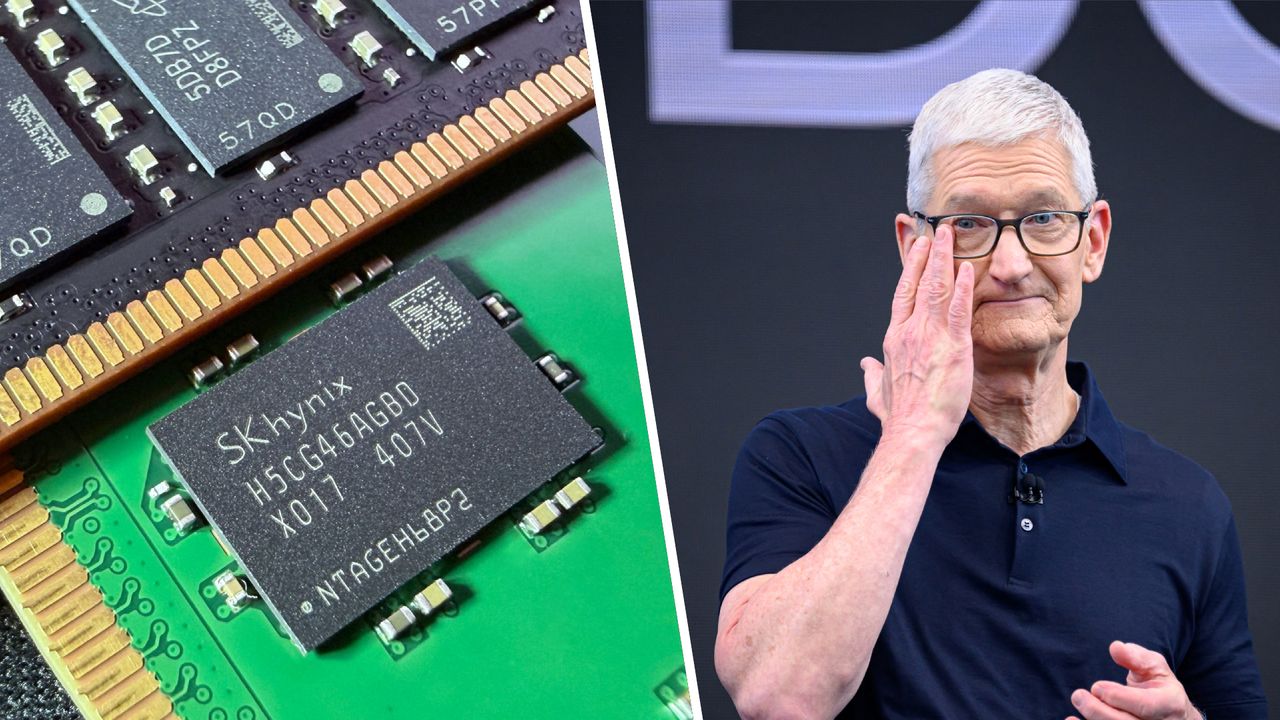
Apple has long been a leader in the tech industry, known for its premium pricing and high-quality products. However, even the tech giant isn’t immune to the global memory shortage that has been impacting companies across the board. In a recent interview with the Wall Street Journal, Apple CEO Tim Cook confirmed that price increases are now unavoidable due to the ongoing memory shortage.
"Unfortunately, price increases are unavoidable," Cook said. "We’re doing our best to mitigate the huge increases that are being passed to us, and we’ve been trying to shield our customers from the increases, but the situation has become unsustainable." He described the current memory shortage as a "hundred-year flood," emphasizing that he has never seen anything like it in his over 40 years in the industry.
DRAM Prices and the Consumer Impact
Cook specifically highlighted the issue of DRAM (Dynamic Random Access Memory) shortages, stating that the situation has reached a critical point. "There’s less supply at a time when consumers want devices and the memory guys are passing along huge price increases," he explained. "We definitely need memory pricing and supply to return to reasonable levels for consumer products. That’s the bottom line."
Apple, with its significant profit margins, has been trying to absorb some of the rising costs to keep product prices stable. However, even this strategy has its limits. "We’re willing to use our balance sheet to help be a part of the solution," Cook added. "Obviously, more capacity is needed."
Apple’s Response to the Memory Crisis
Despite the challenges, Apple has managed to keep some of its product prices relatively stable. However, this is changing. The company recently discontinued its entry-level Mac Mini model, effectively raising the minimum price for a basic Mac desktop. While the prices of existing models have remained unchanged, the overall trend suggests that Apple may soon have to pass on more of the increased costs to consumers.
The launch of the MacBook Neo was seen as a step in the right direction, offering a more affordable option in Apple’s lineup. However, this hasn’t been enough to counteract the broader price hikes affecting the entire industry. Apple’s software is optimized to use memory efficiently, which has helped reduce the need for higher capacity in some devices, but this advantage is now being eroded by the increasing scarcity of memory components.
The Road Ahead
Cook also clarified that Apple is not planning to manufacture its own memory and storage facilities. "We can’t do everything. We know what we’re good at," he said. This decision highlights the complexity of the issue, as building new fabrication plants is a long and costly process, even for established players in the industry.
Until new fabrication facilities come online, the memory shortage will likely continue to affect product pricing across the board. For now, consumers may have to "grin and bear it" as companies like Apple work to navigate this challenging landscape. The situation underscores the reality that even the most powerful companies are not immune to the pressures of a global supply chain crisis.