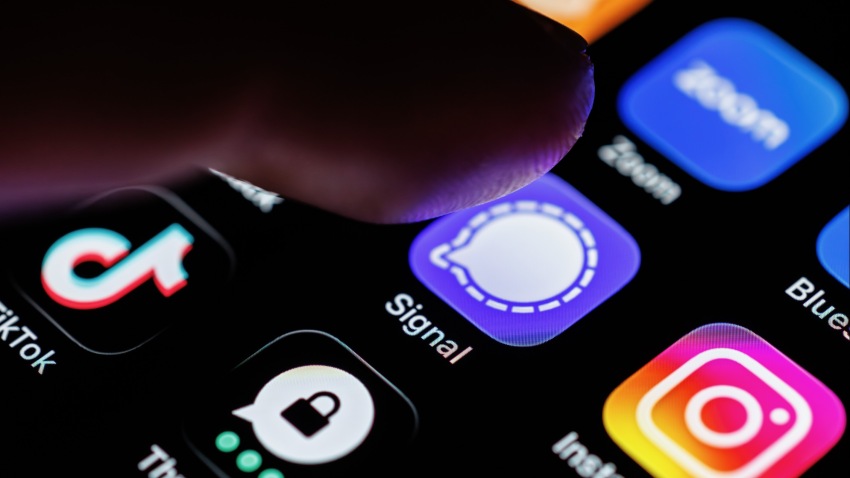
The Hidden War on Signal: Exposing Russian State-Sponsored Espionage
In an escalating digital arms race, a prominent security researcher recently found himself at the center of a sophisticated cyber-espionage campaign. The target was not just an individual, but the infrastructure of trust underpinning Signal, the encrypted messaging app widely regarded as the gold standard for secure communication. The attackers? A group of likely Russian government hackers attempting to hijack accounts and intercept sensitive data.
This incident marks a significant escalation in state-sponsored cyber operations against privacy advocates and investigators. By turning the tables on these adversaries, the researcher has unveiled new details about the methods, motives, and reach of this espionage campaign, offering a rare glimpse into the shadows of modern digital warfare.
The Target: A Spyware Investigator
The primary target of this operation was a security researcher specializing in the detection and analysis of spyware attacks. These individuals often work on the front lines, identifying malicious software used by governments and criminal organizations to monitor communications, track locations, and steal credentials.
For such investigators, Signal is often a critical tool for secure communication with sources, colleagues, and other experts. It is no surprise, then, that they have become high-value targets for state-aligned threat actors. The hackers’ objective was clear: compromise the researcher’s Signal account to gain access to their private conversations, potentially exposing other victims, ongoing investigations, and the identities of whistleblowers.
The Attack: Sophisticated Account Hijacking Attempts
The hackers employed a multi-stage approach to hijack the Signal account, leveraging techniques designed to bypass standard security measures. While the full technical details remain partially obscured for operational security, the campaign exhibited hallmarks of advanced persistent threats (APTs) typically associated with nation-state actors.
Key elements of the attack included:
- Social Engineering: Attempts to trick the researcher into revealing verification codes or clicking on malicious links that could grant access to their account.
- SIM Swapping Precursors: Efforts to compromise the phone number linked to the Signal account, which is critical for account recovery and verification.
- Exploitation of Trust: Leveraging the researcher’s professional interactions to build false legitimacy, making the initial contact appear benign.
These tactics are not new, but their coordinated execution against a high-profile cybersecurity expert indicates a significant investment of resources. The hackers were not merely trying to steal data; they were attempting to silence a voice that exposes their operations.
Turning the Tables: How the Researcher Countered the Espionage
Rather than falling victim to the attack, the researcher managed to detect the intrusion early and actively counter the hackers’ moves. This proactive stance allowed them to not only protect their own account but also to reveal details of the espionage campaign to the public.
By analyzing the attack vectors and correlating them with known threat actor profiles, the researcher was able to attribute the campaign to a group with strong ties to the Russian government. The investigation uncovered:
- Specific Infrastructure: IP addresses and servers used to orchestrate the hijacking attempts.
- Tactical Patterns: Techniques that match those used in previous Russian-linked cyber operations.
- Target Selection: Evidence that the hackers were monitoring the researcher’s professional activities to identify vulnerabilities.
This counter-intelligence effort highlights the importance of vigilance among security professionals. Even those who understand the threats can be targeted if they are perceived as too dangerous or too close to the truth.
The Broader Implications for Digital Privacy
This incident is more than a personal victory for one researcher; it is a warning shot to the entire cybersecurity community. It demonstrates that state-sponsored hackers are actively targeting those who investigate them, creating a chilling effect on free speech and transparency.
The attempt to hijack Signal accounts underscores the vulnerability of even the most secure platforms when users are targeted by determined adversaries. While Signal’s encryption remains robust, the endpoint—the user’s device and identity—remains a weak link.
What This Means for Users
For everyday users, the story serves as a reminder of the importance of multi-factor authentication and account security best practices:
- Enable Two-Step Verification: Add an extra PIN to your Signal account to prevent unauthorized access.
- Beware of Phishing: Never share verification codes or click on suspicious links, even from seemingly trusted contacts.
- Monitor Account Activity: Regularly check for any unexpected device linkings or login attempts.
- Secure Your Phone Number: Be cautious of SIM swapping attempts and consider using a separate phone number for critical accounts if possible.
Conclusion: A New Front in Cyber Espionage
The exposure of this Russian-linked campaign to hijack Signal accounts reveals the lengths to which state actors will go to suppress dissent and protect their secrecy. For the spyware investigator involved, turning the tables was not just about self-defense; it was about illuminating the dark world of digital espionage for all to see.
As these attacks become more sophisticated, the line between personal privacy and national security continues to blur. The resilience of users and the vigilance of security researchers will be crucial in maintaining the integrity of secure communication tools like Signal. The war for privacy is far from over, but every exposed hack brings us one step closer to understanding our adversaries.