The Republican Mutiny and the Fight for Oversight
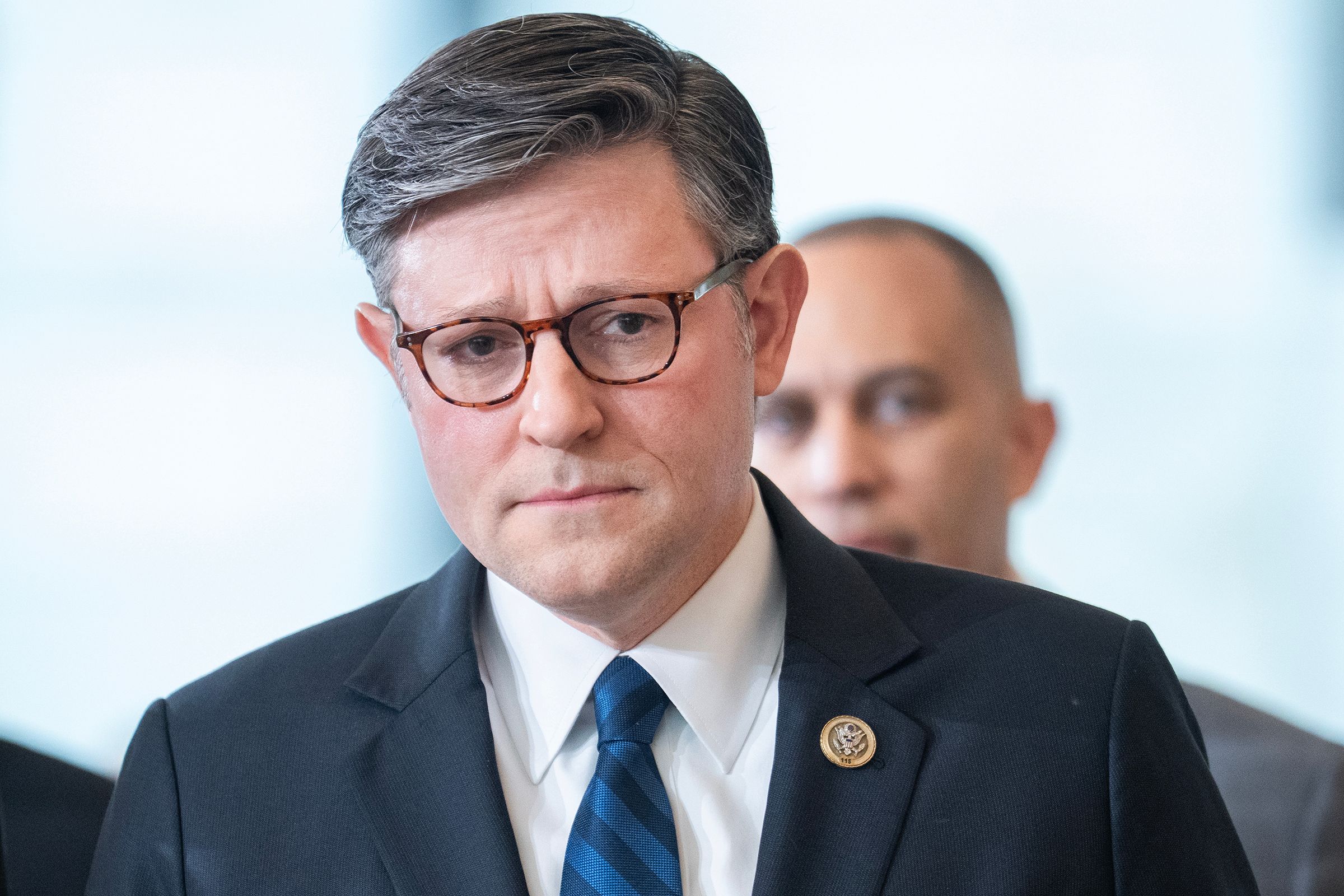
A sudden Republican Mutiny has derailed efforts to extend Section 702 surveillance authorities. During a late-night House session on Friday, Speaker Mike Johnson attempted to secure a "clean" reauthorization of the program, which allows federal agents to access digital communications without a warrant. However, the effort collapsed after midnight when twenty Republicans broke ranks, delivering a significant blow to both House leadership and the Trump administration's push to extend warrantless surveillance.
The failure of this vote represents a deepening fracture within the GOP regarding civil liberties and executive oversight. While the White House and House leadership pushed for an uninterrupted extension, a coalition of House Freedom Caucus members and progressive Democrats demanded much stricter safeguards. This bipartisan resistance focused on preventing the government from purchasing personal data from commercial brokers and ensuring that federal agents must obtain a warrant before searching Americans' private messages.
Critiquing "Fake" Warrant Provisions
The legislative attempt to compromise has been widely criticized by opponents as being functionally hollow. One amendment, which sought to provide security through a new warrant requirement, was dismissed by critics as a "fake" provision. This is because the amendment only prohibited the "intentional" targeting of Americans—a practice that is already prohibited by existing statute.
This Republican Mutiny was led by several prominent members of the party's libertarian and conservative wings. Key figures in the revolt included:
- Thomas Massie
- Chip Roy
- Warren Davidson
- Lauren Boebert
The Scope of Unchecked Surveillance
The controversy surrounding Section 702 of the Foreign Intelligence Surveillance Act stems from its "incidental" collection of domestic data. While the program is ostensibly designed to target foreigners overseas, the mechanism allows for the interception of vast amounts of Americans' emails, texts, and phone calls.
The political tension in the House was fueled by documented instances where this authority was leveraged against US citizens:
- Unwarranted queries involving a sitting US Senator.
- Surveillance targeting 19,000 donors to a congressional campaign.
- Monitoring of activists associated with Black Lives Matter protests.
- Data collection on individuals involved in both sides of the January 6 Capitol attack.
This history of overreach has made it increasingly difficult for leadership to present the program as a purely foreign intelligence tool. The lack of transparency regarding how much domestic data is caught in these "dragnets" has turned what was once a routine reauthorization into a high-stakes political battleground.
A System Without Guardrails
Beyond the political infighting, the technical and legal foundations of the surveillance program are currently in a state of profound instability. The Foreign Intelligence Surveillance Court recently identified serious compliance failures, specifically noting that agencies used "filtering tools" that allowed analysts to access Americans' messages while evading required oversight.
The ability of Congress to police these abuses is further hampered by recent administrative shifts. The FBI's Office of Internal Auditing, which previously surfaced hundreds of thousands of improper searches, has been shuttered. Furthermore, the removal of civil service protections for the attorneys and supervisors responsible for approving sensitive queries has left the oversight system in a state of collapse.
The Senate has since approved a brief 10-day extension to prevent an immediate lapse in authority, but this is merely a stopgap. As the new deadline approaches at the end of April, the question remains whether the legislature can establish a framework that protects national security without sacrificing the fundamental privacy rights of the American public. The window for meaningful reform is closing.