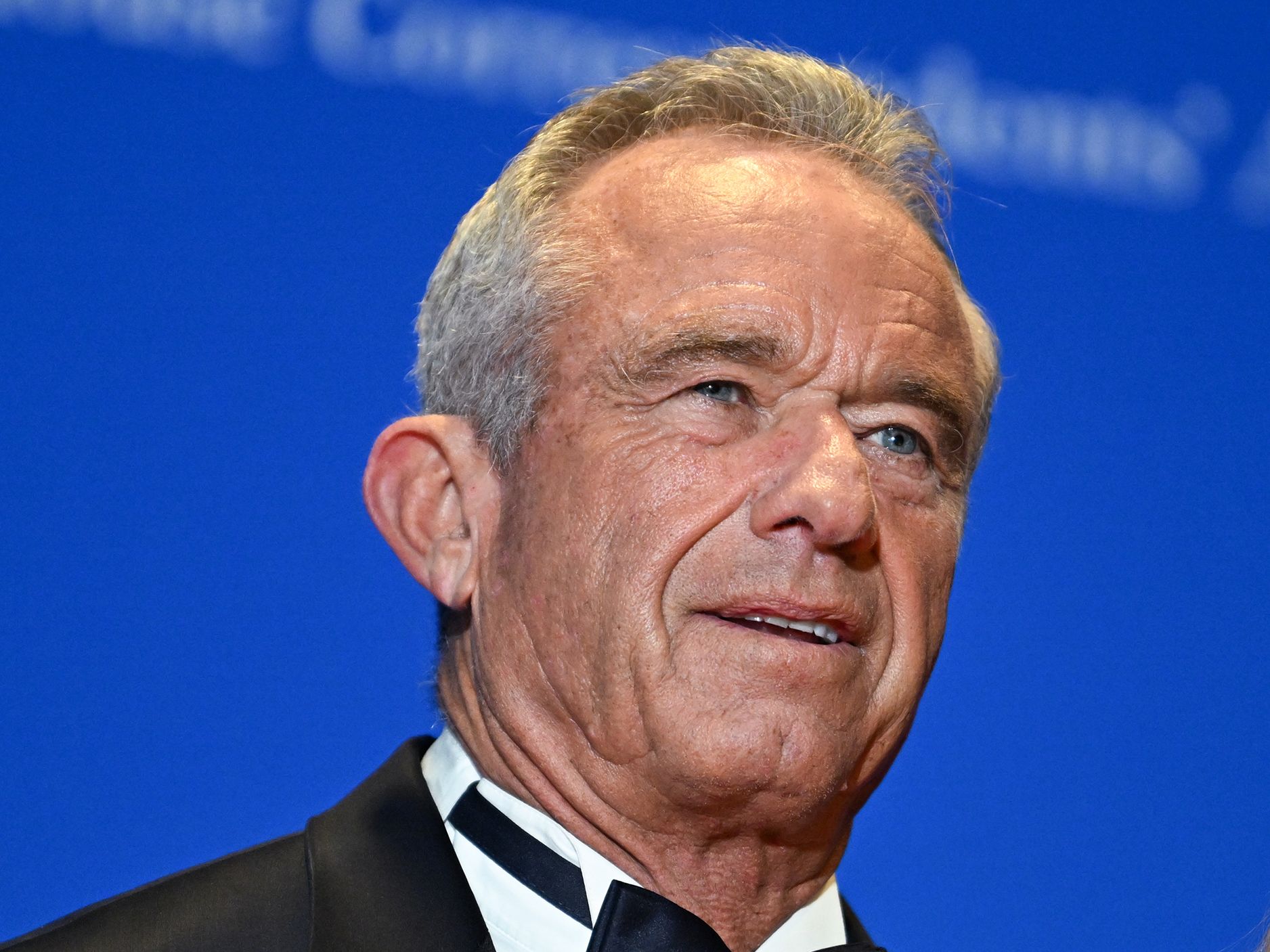
What happens when a public figure famous for challenging scientific consensus enters mainstream media through a format promising "radical transparency," only to focus on culinary nostalgia and boxing legends? The result is The Secretary Kennedy Podcast, a show that feels less like an investigative exposé and more like a curated dinner party where guests discuss what is edible rather than what is essential.
A Shift from Policy to Personal Narratives
The opening episodes of the podcast set an unconventional tone by prioritizing celebrity interviews over pressing policy debates. Robert F. Kennedy Jr., who recently announced this health-focused project following political headwinds and funding concerns, leads with a guest far removed from legislative discourse: Robert Irvine. The Food Network chef, known for his dramatic culinary persona, joins Kennedy to discuss military dining upgrades and the importance of fresh ingredients.
However, the conversation lacks the data-driven depth many expect from Kennedy. Instead of debating nutritional science or food policy, the show leans heavily into personal stories:
- Chef as Catalyst: Irvine discusses cost efficiency in military meals but sidesteps specifics on what defines "healthy" versus "convenient" nutrition.
- Entrepreneurial Anecdotes: The dialogue focuses on Irvine's military service and his snack line rather than concrete nutritional advice.
- Emotional Storytelling: By featuring guests like Mike Tyson, who recounts childhood poverty and dietary struggles, the podcast prioritizes emotional resonance over evidence-based solutions.
Evaluating the RFK Jr. Podcast Strategy
Kennedy frames his approach as a mission to expose systemic failures, yet the initial episodes lack actionable guidance for his audience. While he highlights mentorship gaps in food deserts, he stops short of defining "processed" foods, leaving listeners without clear parameters to evaluate their own dietary choices.
The educational shortcomings in RFK Jr.’s new podcast are difficult to ignore. While Kennedy identifies education as a barrier to healthy eating, the show omits critical systemic factors such as:
- Economic realities shaping dietary habits.
- Time constraints impacting meal preparation.
- Physical access barriers in urban environments.
The absence of practical tips—such as budget-friendly swaps or meal prep hacks—undermines his credibility with everyday listeners seeking tangible lifestyle changes. Furthermore, the reliance on anecdotal evidence risks reinforcing stereotypes about low-income communities while ignoring the structural inequities and corporate practices that perpetuate unhealthy food environments.
The Path to Radical Transparency
If Kennedy aims to deliver on his promise of "radical transparency," his strategy must evolve beyond celebrity spotlights and personal journeys. To move from an aspirational format to a transformative one, future episodes could benefit from:
- Expert Frameworks: Interviews with nutritionists offering evidence-based dietary structures.
- Policy Deep Dives: Focused discussions on legislative solutions for food insecurity.
- Accountable Dialogue: Transparent discussions regarding personal dietary choices and their limitations.
For the podcast to gain lasting substance, Kennedy must balance his signature authenticity with true accountability—confronting uncomfortable truths rather than just sharing stories. Until then, the novelty of the format may continue to outpace its actual impact.