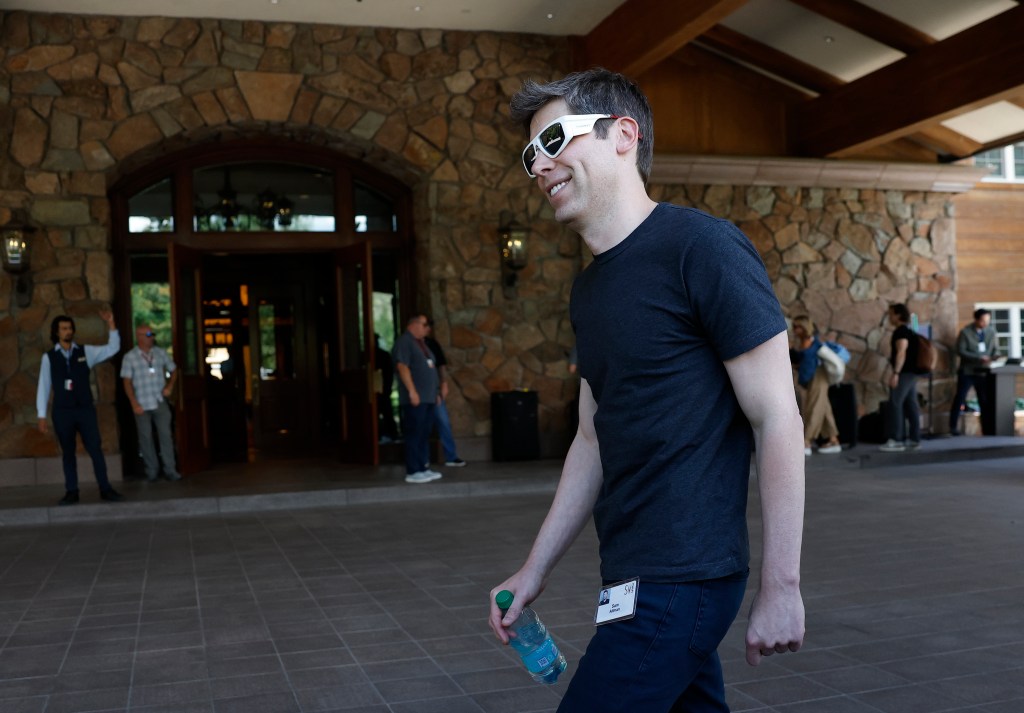
Can we ever truly trust a digital interaction again once AI agents become indistinguishable from human users? The rise of generative artificial intelligence presents a fundamental crisis for digital identity, forcing a confrontation with the reality that synthetic content may soon outnumber biological users. At a recent gathering near the San Francisco pier, Sam Altman’s project World signaled its intent to solve this dilemma by aggressively expanding its "proof of human" infrastructure into the core pillars of modern digital life.
Tinder Integration: A New Era for Digital Dating
The expansion begins in the highly social, high-stakes environment of digital dating, specifically targeting Tinder. Following a successful pilot program in Japan, the company behind the technology, Tools for Humanity (TFH), announced a global rollout that includes the United States. This integration introduces a World ID emblem directly into user profiles, providing a visible marker of authenticity to combat pervasive bot accounts and catfishing.
By leveraging zero-knowledge proof-based authentication, World aims to offer a solution that verifies a person is a real human without compromising their underlying anonymity. This cryptographic approach allows users to prove their humanity to platforms like Tinder while keeping sensitive biometric data shielded from the service provider. For a platform plagued by automated spam and fraudulent profiles, this layer of biological certainty represents a significant technological upgrade.
How Sam Altman’s project World Targets the Agentic Web
Beyond social networking, Sam Altman’s project World is positioning its verification layers as essential infrastructure for the burgeoning agentic web. This new frontier is characterized by autonomous AI agents performing tasks on behalf of humans. To manage this, the company is working with authentication firm Okta to develop a beta system that verifies when an agent is acting specifically under the mandate of a verified human identity.
Combatting Scalpers with Concert Kit
The project’s ambitions also extend into the high-stakes world of live entertainment through a new feature called Concert Kit. Designed for compatibility with major ticketing ecosystems like Ticketmaster and Eventbrite, this tool allows artists to reserve specific ticket allocations exclusively for verified humans. This move is a direct strike against the scalper industry, which relies heavily on automated scripts to "scrape" inventory during high-demand releases.
Corporate Security and Deepfake Prevention
The company's ecosystem is also eyeing corporate security through strategic integrations. Proposed uses include Zoom to mitigate deepfake threats during video calls and DocuSign to ensure the legitimacy of digital signatures in business transactions. These layers of protection are designed to maintain professional integrity in an increasingly synthetic digital landscape.
The Three Tiers of Verification
To manage the vast spectrum of security needs, World has implemented a tiered verification structure:
- Orb Verification: The highest level of security, involving an iris scan via a specialized spherical reader to create a unique cryptographic identifier.
- NFC Government ID: A mid-tier option that utilizes the secure chips found in modern passports and national identity cards for a more accessible check.
- Selfie Check: A low-friction, high-accessibility method designed for maximum ease of use by utilizing local device processing to verify facial features.
Scaling the Infrastructure of Trust
Historically, the primary hurdle for World has been the logistical difficulty of its verification process. For much of its existence, obtaining a "gold standard" verification required users to physically locate an Orb—the company's proprietary iris-scanning hardware. This friction point has limited the project's reach to those willing to undergo a somewhat unusual biometric procedure in person.
To address this, TFH is aggressively increasing its Orb saturation across major metropolitan hubs, including San Francisco, Los Angeles, and New York. The company is also promoting a service that allows interested users to request a remote verification session, effectively bringing the hardware to the user. As the company moves toward "low-friction" tiers like the selfie check, it is clearly preparing for a massive influx of users as its integration partners come online.
As we move toward an era where the distinction between human and machine becomes increasingly blurred, "proof of personhood" will transition from a niche cryptographic interest to a fundamental requirement for digital commerce. If Sam Altman’s project World can successfully scale its hardware footprint and maintain user trust through its tiered privacy model, it may well become the foundational layer of identity for the next generation of the internet.