From Open-World Ambition to Claustrophobic Tension
The original The Sinking City represented a massive, albeit flawed, leap for developer Frogwares. It was an ambitious attempt to blend open-world exploration with the studio’s signature detective-mystery roots, featuring a massive, flooded cityscape for players to navigate. While the experience was far from perfect, its sheer scale and earnest ambition made it a title worth watching.
Prior to this experiment, Frogwares had steadily refined its deduction mechanics through the Sherlock Holmes series. Titles like Crimes and Punishment introduced open-ended exploration, while The Devil’s Daughter experimented with light combat. However, neither of those iterations matched the daring scale or stark genre shift of the first Sinking City, even if those bold choices ultimately worked against the game’s cohesion.
A Strategic Retreat to Survival Horror
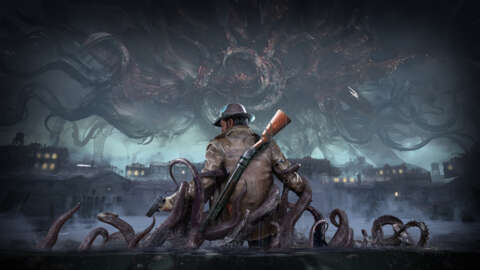
The Sinking City 2 marks a distinct departure from its predecessor’s expansive goals. Rather than aiming for the high-flying ambition seen in The Sinking City or the critical success of Sherlock Holmes: Chapter One, Frogwares has tightened the focus. The studio has whittled the sequel down into a more contained and arguably safer genre: survival horror.
This shift makes logical sense given the source material’s Lovecraftian psychological roots. By narrowing the scope, the developers are moving away from the stiff combat and underbaked open-world mechanics that plagued the first entry. Instead, the sequel appears to be prioritizing tension and atmosphere over breadth.
Why the Scale Matters
While the first game had its share of blemishes, it possessed a certain charm born from its earnest ambitions. It was clear that the studio had aimed for something higher, even if the execution didn't always land.
The move toward survival horror suggests a few key priorities for the sequel:
- Focused Gameplay Loop: Reducing the open-world bloat to concentrate on core horror mechanics.
- Atmospheric Depth: Leveraging the Lovecraftian themes without the distraction of massive side-quest structures.
- Refined Combat: Moving away from the criticized third-person action combat of the first game.
While the first Sinking City had a soft spot for its daring attempts at genre-blending, The Sinking City 2 seems to be treading for air by retreating to a genre where Frogwares can play to its strengths. Whether this retreat is seen as a wise course correction or a loss of ambition remains to be seen, but it certainly marks a significant tonal shift for the franchise.