The Switch 2 Price Jumps to $500: A Look at the Rising Costs
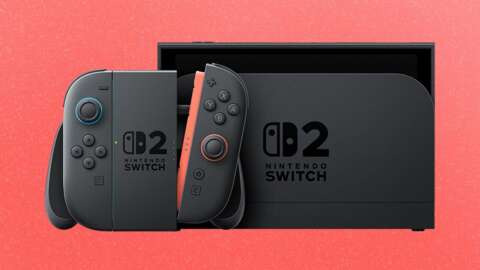
Nintendo has officially confirmed that the price of the Switch 2 will increase by $50, pushing the MSRP to $500 effective in September. This marks a significant shift for the company’s latest console, as the new pricing structure reflects the intense economic pressures facing the gaming industry in 2026. Despite the hike, Nintendo admits that the cost of production continues to outpace the retail price, meaning the company is still absorbing a portion of the expenses.
A Perfect Storm of Economic Challenges
The decision to raise the price is not isolated but rather a response to broader global issues affecting hardware manufacturing. Nintendo is navigating a convergence of economic factors that have made technology increasingly expensive to produce. These challenges include:
- Component Shortages: A persistent lack of crucial hardware components is driving up supply chain costs.
- Currency Fluctuations: A weaker yen compared to the US dollar impacts Nintendo’s overall profitability and production costs.
- Rising Energy Costs: Increasing oil prices have contributed to higher manufacturing and logistics expenses.
President Shuntaro Furukawa addressed these difficulties during a recent financial results presentation, acknowledging the difficulty of balancing widespread adoption with rising operational costs. He stated, "We sincerely apologize to our customers for the considerable inconvenience and trouble this will cause." Furukawa explained that while the company initially aimed to keep prices low to encourage adoption, it became unsustainable to bear the rising costs over a long period without adjustment.
Will the Higher Price Tag Deter Buyers?
The new Switch 2 price will increase from its previous $450 MSRP to $500 in the United States starting in September. While this represents a notable jump, Nintendo remains optimistic about the console's long-term value. The company recognizes that the higher entry cost could create an additional barrier for potential buyers.
To counteract this, Nintendo is banking on its robust software line-up to enhance the perceived value of ownership. The strategy relies on the idea that a strong catalog of exclusive titles and new experiences will justify the increased investment for consumers. Furukawa noted that while the pricing "does not fully account for all cost increases," the company is confident in the Switch 2's ability to deliver exceptional gaming experiences that outweigh the financial hurdle.
As the September release approaches, the industry will be watching closely to see if the $500 price point affects initial sales figures. For now, Nintendo is sticking to its guns, prioritizing the long-term health of its software ecosystem over short-term hardware margin protection.