The Quiet Revolution: Why the Office of the Future Will Be Defined by Whispers
The traditional office was once defined by the clatter of mechanical keyboards and the hum of active collaboration. Today, that soundscape is rapidly fading, replaced by a profound shift toward ambient vocal interfaces. This transition is not merely a change in hardware; it represents a fundamental evolution in how humans interact with digital workspaces, driven by decades of ergonomic research and productivity experimentation.
As whisper-filled offices become the new standard, we are witnessing a move away from visual dominance toward natural language as the primary modality. This shift is altering acoustic environments across enterprises, prioritizing deep focus and reducing the cognitive fatigue associated with constant digital switching.
Technological Drivers Reshaping the Acoustic Landscape
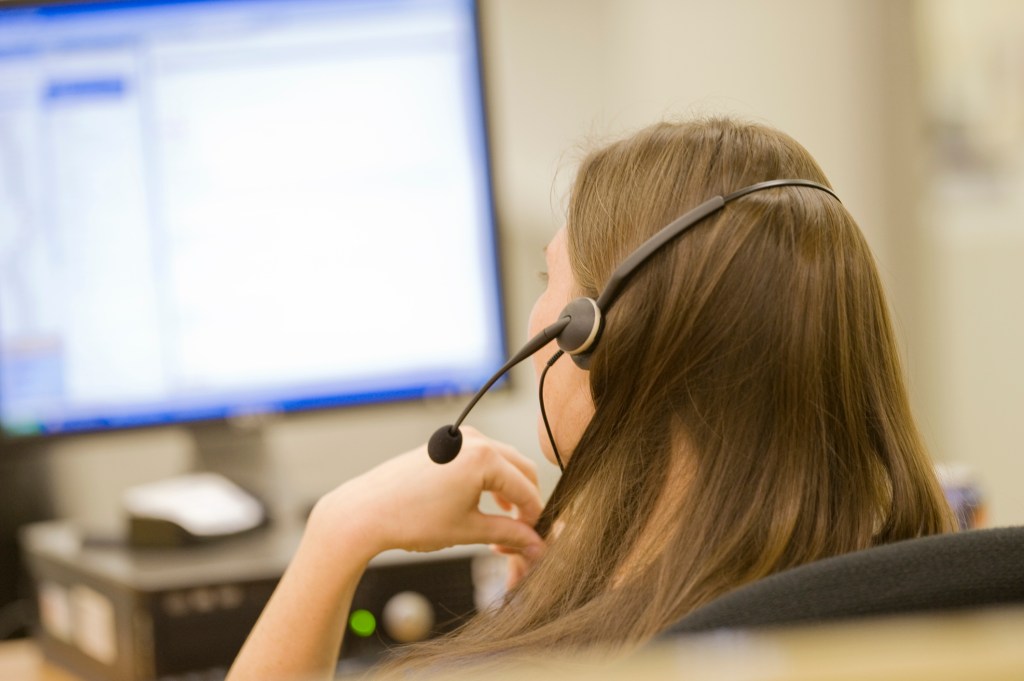
The move toward quieter workspaces is powered by sophisticated technology that allows for seamless interaction without the need for visible screens or loud inputs. This technological infrastructure is designed to support the modern need for privacy and efficiency.
- Cloud-Based Voice Interfaces: These systems enable real-time transcription and responses without requiring visual attention, significantly reducing the cognitive load associated with toggling between apps and keyboards.
- Contextual Understanding Models: Advanced AI can now anticipate employee needs by analyzing meeting agendas, email threads, and project timelines. This predictive capability minimizes disruptive interruptions, allowing workers to maintain their flow state.
- Privacy-Preserving Architectures: To address growing office concerns, voice data processing is increasingly occurring locally or through encrypted pipelines. This ensures that sensitive conversations remain confidential while satisfying strict regulatory requirements.
These drivers are creating a digital environment where information flows silently, allowing employees to engage with their work without the physical strain of traditional computing methods.
Organizational Culture and the Redefinition of Presence
As ambient audio replaces the visual cues of typing, leadership teams are grappling with a new definition of "office presence." The act of being seen working is no longer the primary metric of productivity; instead, the quality of interaction and the respect for acoustic boundaries take precedence.
Organizations are adapting by redesigning physical spaces to accommodate this whisper-enabled collaboration. We are seeing the emergence of:
- Designated Quiet Zones: Areas specifically engineered for deep work, where silence is protected and enforced.
- Collaboration Hubs: Spaces equipped with spatial audio cues that simulate office dynamics, enabling remote participants to join voice-first interactions as if they were physically present.
- Digital Co-Working Spaces: Leveraging technology to blend remote and in-office teams, ensuring that vocal instructions enhance workflow without causing visual or auditory distractions.
This adaptation extends beyond physical design to include turn-taking protocols and guidelines for volume modulation. These practices prevent the unintentional exclusion of non-verbal contributors and ensure that inclusive communication remains a core value, even as the mode of interaction changes.
Ethical Considerations and Future Trajectories
The rise of whisper interfaces brings with it important questions about attention management and inclusive communication. While these systems reduce the stress of constant feedback loops, they require careful management to prevent isolation or misinterpretation of intent.
Looking ahead, the convergence of multimodal interaction—combining speech, gesture, and gaze recognition—will further dissolve the boundaries between human intention and machine response. We can expect to see:
- Predictive Systems that anticipate needs before they are voiced, streamlining workflows even further.
- Adaptive Environments that adjust lighting and acoustics based on vocal stress indicators, promoting well-being.
- Generative AI that refines conversational models, prioritizing auditory harmony alongside visual ergonomics.
Conclusion: A Dynamic Ecosystem of Silence
In this transition, the office is evolving from a physical container of bodies into a dynamic ecosystem where information flows through multiple sensory channels. The challenge for modern organizations is not merely technological adoption, but the reshaping of cultural norms around presence, accountability, and collective attention.
By proactively designing for whisper-enabled collaboration, companies can cultivate environments that support deep focus while maintaining the social connectivity that drives innovation. In this new era, silence speaks louder than ever before, marking a future where acoustic comfort directly impacts creative output and decision-making velocity.