SOND Launches from Stealth with $7 M Seed Funding
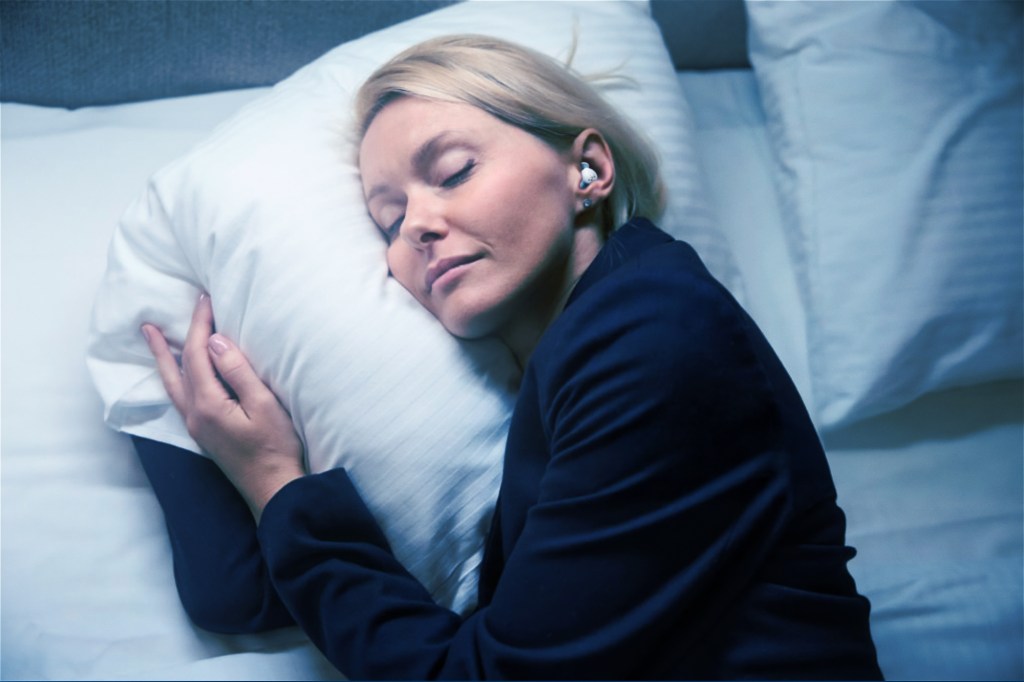
SOND, a sleep‑tech startup founded by former Bose sleep chief Ruvi Kitov, has stepped out of stealth mode after raising $7 million in seed capital. The company claims to be developing the first truly accurate sleep tracker that measures heart‑rate variability and respiration without relying on optical sensors. By focusing on precision hardware, SOND seeks to replace the guesswork of most wrist‑worn trackers with data that rivals clinical equipment.
From Bose to a Dedicated Health‑Tech Venture
Ruvi Kitov spent nearly a decade at Bose, leading the company’s SoundSleep line. That experience gave him a deep understanding of how sound can be used to monitor physiological signals. With SOND, Kitov has freed himself from the constraints of a large consumer‑electronics firm, allowing the startup to iterate quickly on form factor and sensor technology. The new venture is expected to prioritize acoustic sensing—detecting subtle vibrations in blood flow that optical methods often miss, especially across diverse skin tones and movement patterns.
The Product Vision: Precision Sleep Monitoring
SOND’s device aims to excel in three key performance areas that have frustrated users with existing wearables:
- High‑fidelity respiration tracking from chest or ear‑based sensors, bypassing estimation algorithms.
- Granular sleep staging that accurately distinguishes between light, deep, and REM phases.
- Seamless audio integration that can deliver white‑noise or therapeutic sounds directly through the monitoring hardware, leveraging Kitov’s Bose legacy.
These features are intended to create a passive monitoring experience—users won’t need to remember to charge a device every night, and the data will be available automatically.
Market Context and Competitive Landscape
The wellness‑hardware market is crowded with players such as Oura and Ultrahuman, many of whom focus on data dashboards and gamification. SOND differentiates itself by using sound‑based analytics not only to measure sleep but also to influence it through acoustic stimulation. This dual role of monitoring and intervention positions SOND to capture a niche that values sensory experience over purely visual metrics.
Next Steps for SOND
With the new capital, SOND plans to move beyond prototyping into manufacturing—a critical, costly phase for hardware startups. The $7 million seed round signals investor confidence that non‑wrist form factors can offer superior passive health monitoring. The challenge for SOND now is to deliver on its promise of clinical‑grade accuracy while keeping the device battery‑friendly and user‑friendly.
If the startup can achieve its ambitious goals, it will have a genuine opportunity to redefine how consumers track and improve their most essential biological function.