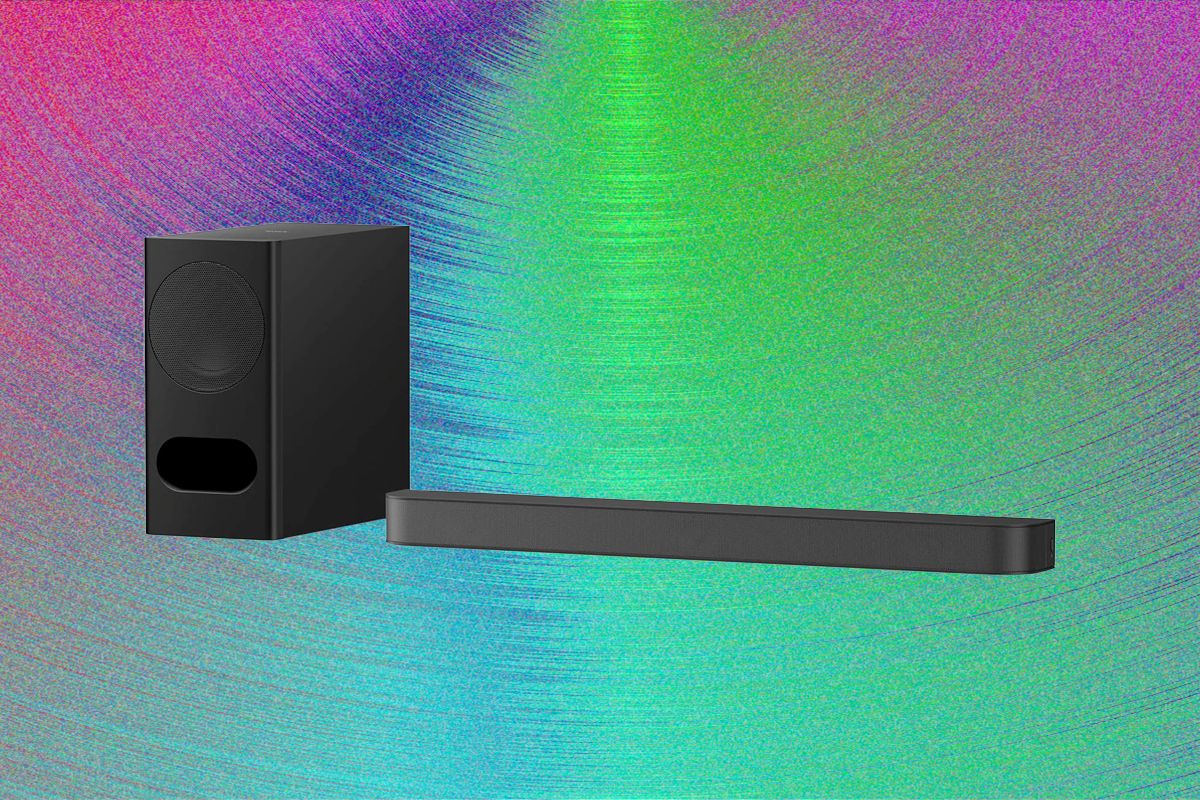
Sony Bravia Theater Bar 5 Review: Basic Bar, Big Sound
The modern home theater landscape is increasingly prioritizing immersive audio without unnecessary frills. Sony’s entry into this segment, the Sony Bravia Theater Bar 5, exemplifies a deliberate return to fundamentals amid an era of feature overload. It is a soundbar that refuses to apologize for its simplicity, focusing entirely on what matters: delivering high-quality audio without the clutter of smart ecosystems or complex connectivity.
Minimalist Design and Core Performance
The Theater Bar 5 adopts a starkly utilitarian aesthetic, featuring a flat black finish and a rectangular silhouette that eschews LED accents or digital displays. This simplicity mirrors Sony’s focus on sound quality over visual spectacle. At the heart of its appeal lies a well-balanced 3.1-channel configuration, pairing a mid-range speaker with a robust 16-inch subwoofer. This setup delivers depth that belies its compact footprint, proving that physical size is not the sole determinant of audio power.
The system’s core strengths are immediately apparent:
- Subwoofer Impact: The subwoofer’s thump excels in action sequences, enhancing cinematic immersion without muddying dialogue.
- Virtual Surround Efficiency: Software-driven surround processing expands the soundstage without requiring physical upward-firing speakers.
- Dolby Atmos Support: Even in this basic configuration, the bar handles advanced formats with surprising nuance, providing a sense of height and space.
Limitations in Connectivity and Smart Features
However, the Theater Bar 5 is not without its compromises. The absence of Wi-Fi, Bluetooth, or HDMI ports necessitates external cables for all connections. This is a minor inconvenience for purists but a notable omission in 2023, as wireless streaming has become a standard expectation for modern audio gear.
Furthermore, the lack of EQ presets, calibration tools, or upfiring drivers further restricts customization. This design choice appeals primarily to users who value plug-and-play simplicity over granular control. For those seeking to tweak every frequency band or integrate the bar into a larger smart home ecosystem, this model may feel too rigid.
Audio Excellence Defines Value Proposition
Despite these minimal frills, the Theater Bar 5 excels in dialogue clarity and bass response. Content transitions—from muted dialogue to explosive action—remain seamless, aided by Sony’s sound field mode which enhances spatial accuracy without artificial processing.
In practical use, the audio performance stands out in specific scenarios:
- Action Film Enhancement: Space-chase scenes in Guardians of the Galaxy benefit significantly from dynamic bass integration, providing weight and impact.
- Music Playback: Stereo music streams gain clarity through the turned-off sound field mode, revealing instrument textures that are often obscured by excessive processing.
- Room Optimization: While no automatic calibration exists, the bar’s innate tuning minimizes the need for manual adjustments, allowing it to perform well in most standard living room environments.
User Experience and Practicality
Setup remains frictionless, supported by intuitive controls and a dedicated remote. The lack of smart features reduces setup complexity but inevitably limits automation options, such as voice assistant integration. For users prioritizing performance over connectivity, this tradeoff proves negligible. It is a device that asks you to turn it on and listen, rather than configure.
Verdict: Purpose-Driven Design
Sony’s Theater Bar 5 succeeds by embracing restraint. It delivers crisp, impactful sound without superfluous elements, proving that sometimes less truly is more. At $350, it caters to those seeking immediate audio satisfaction rather than configurable complexity. For buyers valuing core performance and simplicity in an increasingly cluttered market, this model remains a compelling choice.