The SpaceX IPO filing has arrived, and it presents a striking paradox: the immense ambitions of multi-planetary settlement are colliding head-on with the granular, often sobering reality of an S-1 filing. This regulatory document reveals much more than just a trajectory toward becoming one of the most valuable publicly traded entities in history; it exposes the conflicting operational realities underpinning this technological juggernaut.
Posted after market close, this massive disclosure provides a daunting look at how a company built on audacious rocketry is now forced to navigate the unforgiving metrics of public capitalism.
Starlink Revenue vs. Massive Capital Burn
The financial backbone supporting the current SpaceX valuation narrative is undeniably Starlink. The satellite internet constellation has transitioned from a niche asset into a primary revenue pillar, reportedly accounting for more than half of last year's earnings. This growth provides the necessary ballast to sustain operations while long-term "moonshot" goals demand massive capital expenditure.
However, this stability masks a significant concern: the enterprise's staggering burn rate. Despite robust revenue in specific sectors, the filing illuminates an overall operational loss that forces scrutiny onto every dollar spent across its various technological ventures.
The AI Spending Paradox and Capital Allocation
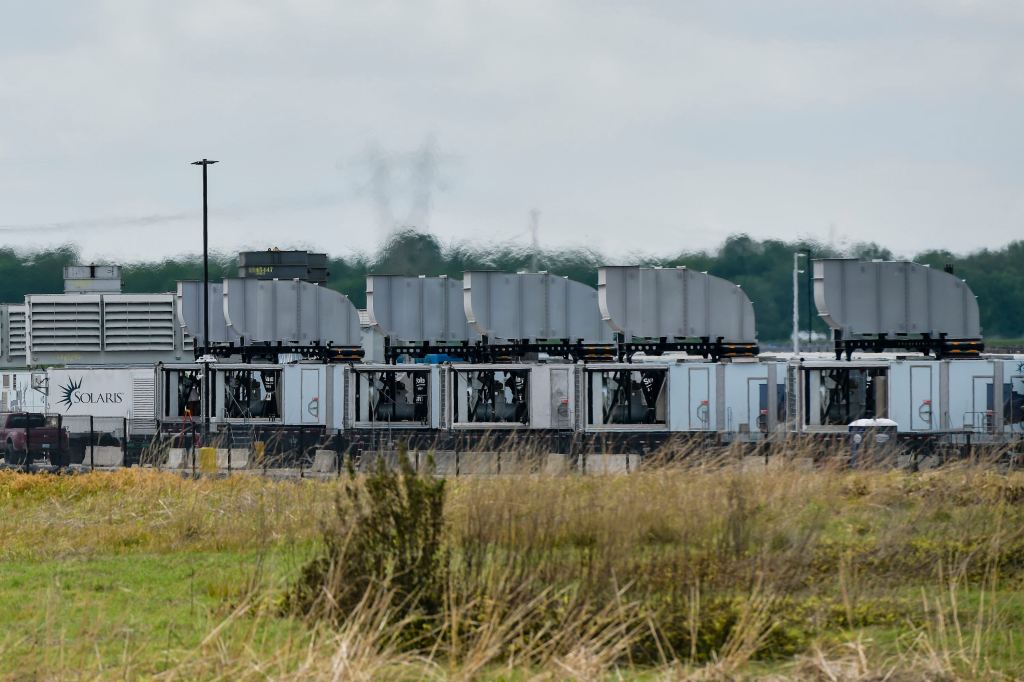
SpaceX is making massive bets on the future of computation. The company has directed over $20 billion into its AI division, which houses entities like Grok. This represents a high-risk, speculative approach to corporate investment that analysts are watching closely.
The current financial landscape for this sector presents several challenges:
- Revenue Disconnect: Reported revenue growth rates in the AI sector remain notably below benchmarks set by other leading labs.
- Massive Losses: The AI sector lost billions last year, creating a tension between colossal capital outlay and actual returns.
- Speculative Betting: Analysts are questioning if this spending maximizes technological investment or serves as a pure bet on unproven market penetration.
Starship: The Linchpin of Future Valuation
Regardless of the figures associated with satellite services or AI, the entire corporate structure rests upon the maturation of Starship. This fully reusable heavy-lift vehicle is the existential link between near-term revenue and the ultimate multi-planetary mission.
The operational history of Starship—a mix of spectacular failures and hard-won engineering victories—serves as a proxy for the company's total technological maturity. Until Starship achieves a predictable and routine service cadence, the valuation remains heavily weighted on potential rather than proven, repeatable profit margins.
Analyzing the Risks in the SpaceX IPO Filing
The S-1 filing is less of a celebratory prospectus and more an exhaustive compendium of operational risks, featuring 36 pages dedicated solely to potential pitfalls. Investors must monitor several critical areas:
- Regulatory Headwinds: Legal battles involving integrated social media and AI assets highlight litigation risks that could impact earnings by hundreds of millions.
- Interdependency Risk: A heavy reliance on Starlink revenue means market saturation or regulatory changes in global connectivity pose a direct threat to liquidity.
- Operational Scaling: The gap between capital deployed into advanced research (AI) and tangible, realized revenue must be watched for signs of diminishing returns.
If the projected $1.75 trillion valuation materializes, it will mark an extraordinary moment in corporate history. It pits the romanticism of space exploration against the cold calculus of quarterly earnings. Ultimately, the market does not reward sheer audacity; it demands proven cash flow pathways. The ability to fund speculative AI advancements with Starlink profits while perfecting reusable spaceflight will determine if this filing is a financial coronation or a high-stakes move to survive upcoming operational turbulence.