The Rise of ‘Staged’ Narratives Across Social Media
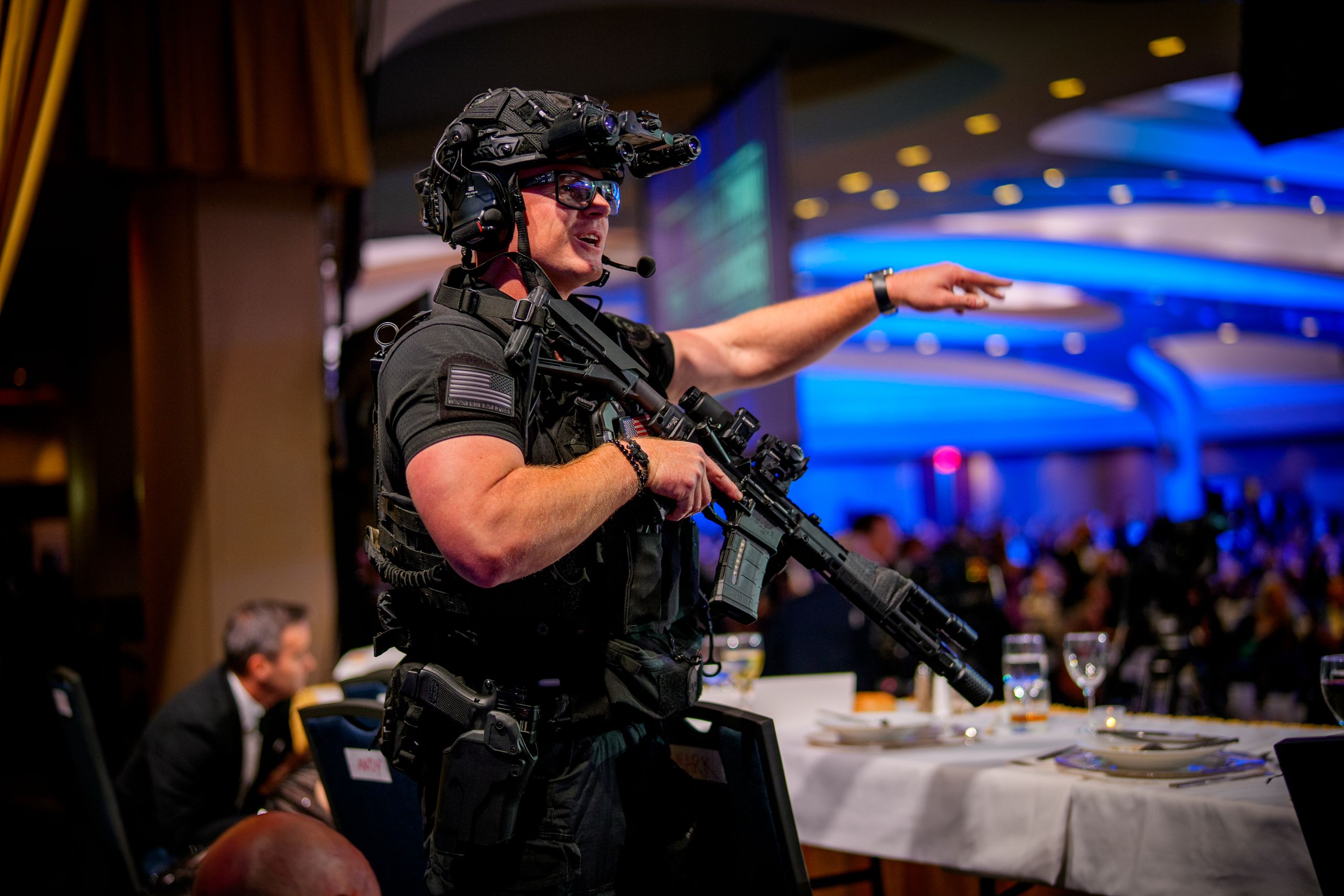
A digital wildfire of misinformation erupted across social media platforms immediately following the security breach at the White House Correspondents’ Dinner on April 25, 2026. As law enforcement detained suspect Cole Tomas Allen near the Hilton hotel in Washington, D.C., a vacuum of information was quickly filled by unfounded claims of a staged event. While authorities have released the identity of the suspect, digital discourse remains focused on perceived orchestration rather than facts.
The reaction to the incident highlights a disturbing trend where ideological silos arrive at the same conclusion: that the event was a false flag. On Bluesky, a platform with a predominantly left-leaning user base, the word "staged" trended in repetitive bursts. This skepticism echoes the distrust seen during the 2024 assassination attempt in Butler, Pennsylvania, suggesting a growing baseline of institutional distrust.
On X (formerly Twitter), conspiracy narratives took on a more specific, opportunistic tone. Many prominent right-wing influencers focused on a connection between the security incident and President Trump's recent discussions regarding a new White House ballroom. High-profile figures such as Jack Posobiec, Chaya Raichik of Libs of TikTok, and Tom Fitton of Judicial Watch utilized the chaos to suggest the event was a coordinated effort to bolster support for major infrastructure projects.
How Fragmented Media Fuels Disinformation
The spread of disinformation has been fueled by the selective editing and recontextualization of seemingly innocuous media clips. These fragments are often stripped of their original context to provide "evidence" for theorists.
Two specific instances provided the primary ammunition for those claiming the incident was preplanned:
- The Leavitt Comment: Prior to the dinner, White House Press Secretary Karoline Leavitt remarked that "shots will be fired," a phrase intended as a joke regarding the scheduled comedy set. Following the breach, X users labeled this choice of words as "suspect" or "eerie."
- The Fox News Interruption: During a live broadcast from the Hilton, Fox News correspondent Aishah Hasnie was interrupted when her signal cut out after mentioning that her husband had told her to "be very safe."
Despite Hasnie later clarifying that the comment was a standard expression of concern for her safety, social media users characterized the technical glitch as evidence of a coordinated "blackout" intended to hide a preplanned script.
The Erosion of Institutional Trust
These fragments of media allow influencers like Brooklyn Dad and Sam Parker to pose questions that imply guilt without making direct accusations. This method of "just asking questions" allows disinformation to bypass traditional fact-checking by framing speculation as legitimate inquiry.
The aftermath of the White House Correspondents' Dinner illustrates a breakdown in the shared reality required for a functioning democracy. As figures like Alex Jones shift their stances within hours and Marjorie Taylor Greene continues to signal skepticism regarding the suspect's background, it becomes clear that truth is no longer the primary metric for engagement.
The evolution of these theories suggests that the next stage of digital discourse will not be about whether an event happened, but rather which version of reality a user chooses to inhabit. As long as social media incentive structures reward high-conflict speculation, the distinction between a security breach and a political performance will continue to blur.