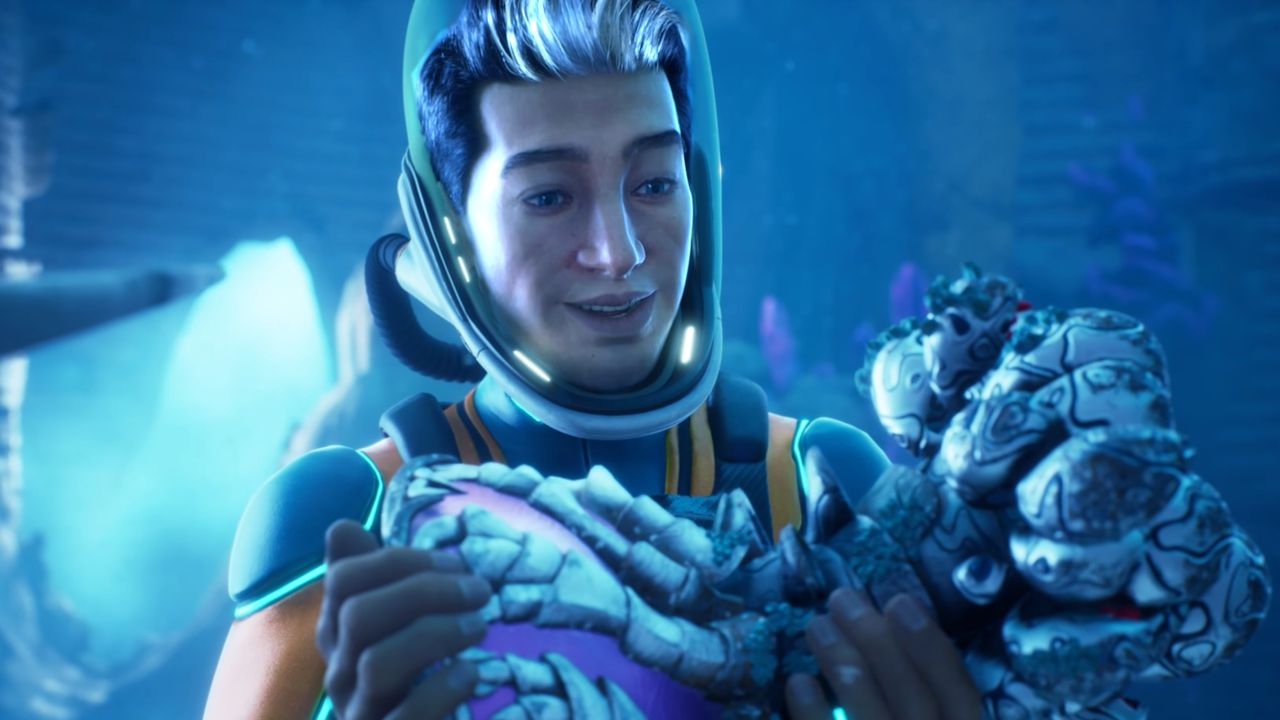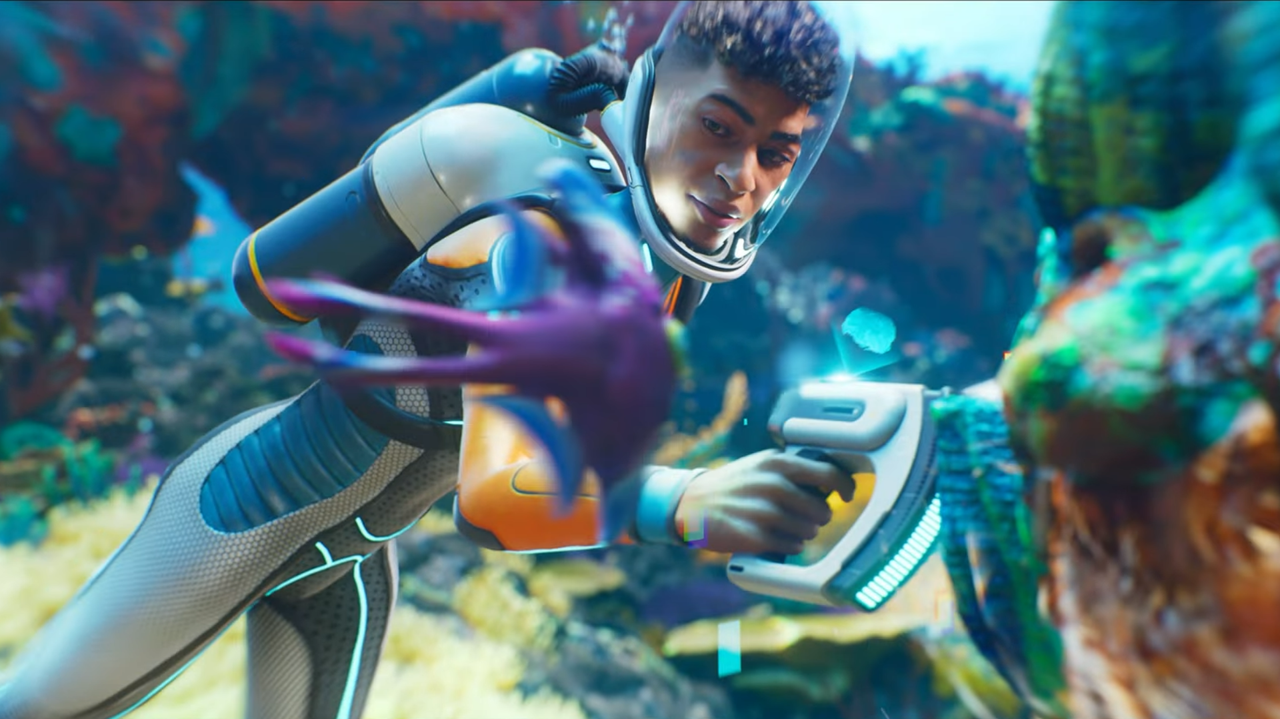
Gathering metals, minerals, and crafting materials in Subnautica 2 often triggers strange philosophical tangents. It raises questions about the utility of resources we take for granted in the real world: the marvel of metal, the necessity of fiber, and the sheer absurdity that rope exists at all. Without these basic materials, humanity likely wouldn’t have advanced enough to build the computers used to play this game.
For me, these wandering thoughts are the ultimate sign of a successful survival title. They indicate a state of flow where the player is relaxed enough to let their mind drift, yet engaged enough that the wandering thoughts remain tied to the game’s material logic. Subnautica 2 achieves this balance masterfully. In hours of pre-release play, the scavenging and crafting loops feel refined rather than grueling. The game is generous with intrinsic rewards, offering vast underwater caves, glowing alien fauna, and breathtaking sunsets, ensuring that the expansion of your underwater base feels earned but not exhausting.
A Mature Survival Experience
Without much preamble, Subnautica 2 drops you onto an oceanic planet, immediately tasking you with collecting resources, outfitting yourself with aquatic gear, and investigating the fate of settler cohorts who have either died or swum toward a mysterious mountainous structure. Surprisingly, this light storytelling has become a highlight of the experience.
The game distinguishes itself by being a combat-free survival title. Death is a hazard to be avoided, but not a catastrophic failure state. Your AI companion even encourages you to die on purpose at certain junctures, instantly reprinting your body upon perishing. The only escape from this contractual immortality appears to be absorbing alien DNA, a mechanic required to adapt to new biomes.
While combat is absent, friction does exist, primarily through the game’s chill approach to player guidance. If you miss the habitat building tool you need to scan and reproduce, you may spend confused hours stuffing your starting lifepod with useless resources. However, this "figure-it-out-yourself" design is largely appreciated. Aimlessly swimming and scanning objects eventually guides you in the right direction, turning exploration into a rewarding puzzle in its own right.
Key gameplay elements include:
- The Dash Ability: Collected early on, this adds speed to exploration, though it could be more generous.
- Air Bladders: These allow you to launch yourself to the surface like a breaching dolphin, a mechanic that remains fun even after repeated use.
- In-Fiction Quality of Life: Features like the scanner that pings resource deposits on your HUD are framed as base crafting projects, blending gameplay utility with narrative immersion.
Cooperative Play and Ongoing Development
Co-op is a new addition to the series and functioned well during testing. The game allows for seamless conversion between single-player and multiplayer saves, enabling players to share progress with friends to build communal bases. While not ultra-elegant, this system works effectively, supporting both collaborative building and independent expansion.
However, it is crucial to note that Subnautica 2 is not yet finished. While it is larger and more polished than its predecessors, it is not fully formed. Unknown Worlds has stated plans to keep the game in early access for up to three years, during which time they will introduce:
- New biomes and creatures
- Additional craftables and features
- Expanded narrative arcs
The developer has included a base refund tool to help players relocate their builds if map updates cause structural issues, suggesting a commitment to preserving player progress. This approach reframes the early access period as a slow-burn, episodic rollout of the complete story—a model that has proven successful for many titles.
Despite its unfinished state, the game has already sold extraordinarily well. It stands as a stark contrast to the reputational disaster painted by its publisher, Krafton, last summer. That controversy, involving the failed attempt to remove the CEO of developer Unknown Worlds, was indeed bizarre. But now, the focus has shifted back to what matters: a well-balanced, immersive survival experience that respects the player’s time and intelligence.