Modern automation promises the ability to manage nature from thousands of miles away, yet it often introduces a level of digital complexity that makes a simple garden hose feel like an unsolvable puzzle. The Eve Aqua Smart Water Controller attempts to bridge this gap by turning standard plumbing into a remote-controlled irrigation system. It eliminates the need for expensive in-ground installations, allowing users to interface with their gardens through a smartphone, but the transition from manual to digital is not without its friction.
Hardware Design and Eve Aqua Smart Water Controller Connectivity
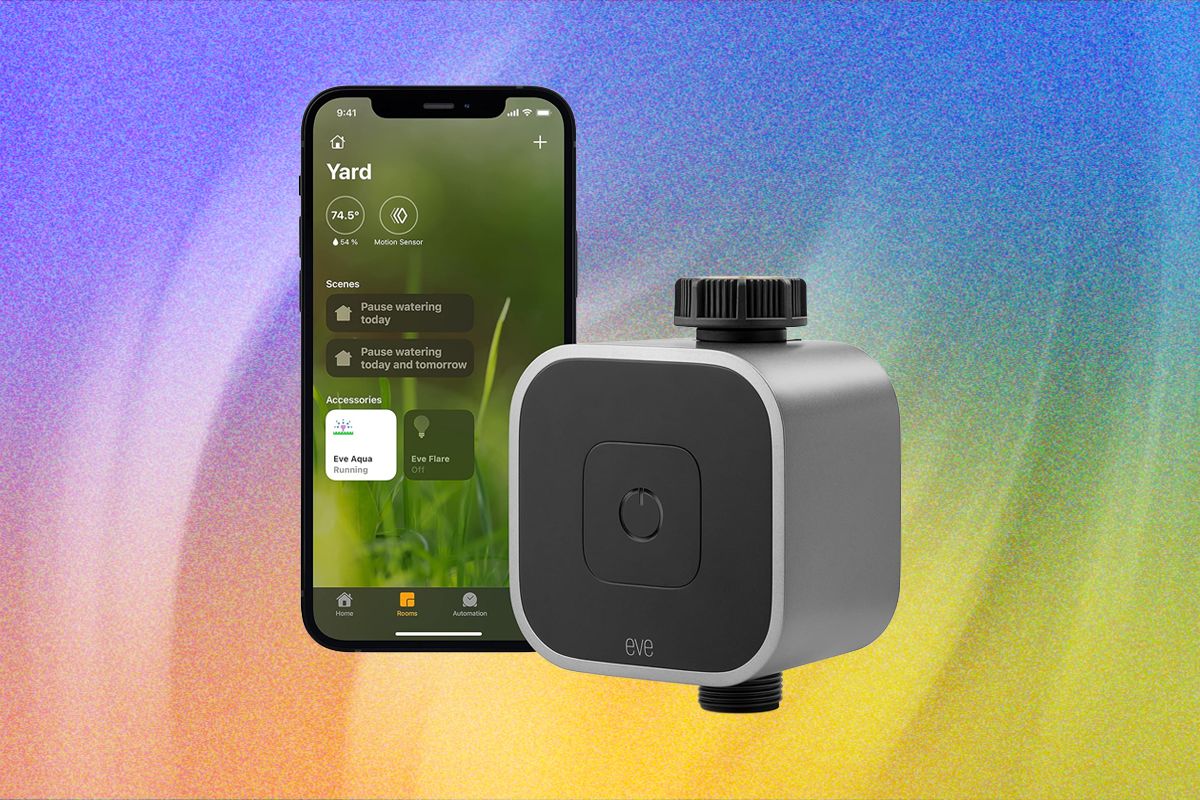
The physical footprint of the device is relatively modest, measuring approximately 4 x 4 x 3 inches. Unlike many competitors in the smart irrigation space that demand an external Wi-Fi bridge or a dedicated hub plugged into a wall outlet, the Aqua integrates its wireless controller directly into the unit. This reduction in hardware overhead is a significant advantage for those looking to minimize clutter around exterior spigots and avoid additional power sources near the garden.
However, this streamlined approach introduces notable installation hurdles. The device is powered by two AA batteries, making it a self-contained unit, but the physical design of the housing can complicate the sealing process. Because the location of the manual control handle restricts the use of tools like pliers, achieving a watertight connection on the spigot side can be difficult.
This lack of clearance often results in a "drippy-faucet" effect, where water leaks from the connection point despite careful installation. While using plumber's tape or angled adapters may mitigate this, the hardware design inherently creates a barrier to a perfect seal.
Navigating the Digital Interface
While the hardware simplifies connectivity, the software experience presents a different set of challenges for the end user. The Eve app offers deep customization through various scenes, timers, and rules, intended to provide maximum flexibility for complex watering schedules. Unfortunately, this level of power comes at the cost of usability. The interface can feel overcrowded with unnecessary information, turning what should be a simple scheduling task into a convoluted logic puzzle.
For those seeking only basic functionality, such as manual on-demand watering or straightforward timers, integration with Apple HomeKit provides a much-needed reprieve. By connecting directly to the iOS Home app, users can bypass the dense feature set of the Eve ecosystem in favor of a cleaner, more intuitive interface.
The device remains highly reliable once these initial configurations are established; during extended testing, the unit responded to commands instantly and adhered strictly to programmed schedules without failure. The core capabilities of the Aqua include:
- Direct integration with 2.4 GHz Wi-Fi networks.
- Seamless support for Apple HomeKit and the iOS Home app.
- Compatibility with both standard garden hoses and drip irrigation tubing via included adapters.
- A manual override button for immediate water flow control.
- An integrated system for tracking water consumption metrics.
The High Cost of Convenience
When evaluating the value proposition, the Eve Aqua Smart Water Controller sits at a premium price point that may give potential buyers pause. Ranging between $125 and $165 depending on the retailer, it is significantly more expensive than established alternatives like the Rachio Smart Hose Timer or Orbit models, which often retail for under $100.
While the absence of a required Wi-Fi bridge justifies a higher cost, the price gap is substantial enough to make the decision difficult for budget-conscious gardeners. Ultimately, the Eve Aqua is a specialized tool designed for the enthusiast who values ecosystem integration and hardware simplicity above all else. It offers a sophisticated way to manage outdoor spaces without the permanence of an in-ground system, but it requires a certain level of patience to master its software and physical quirks.