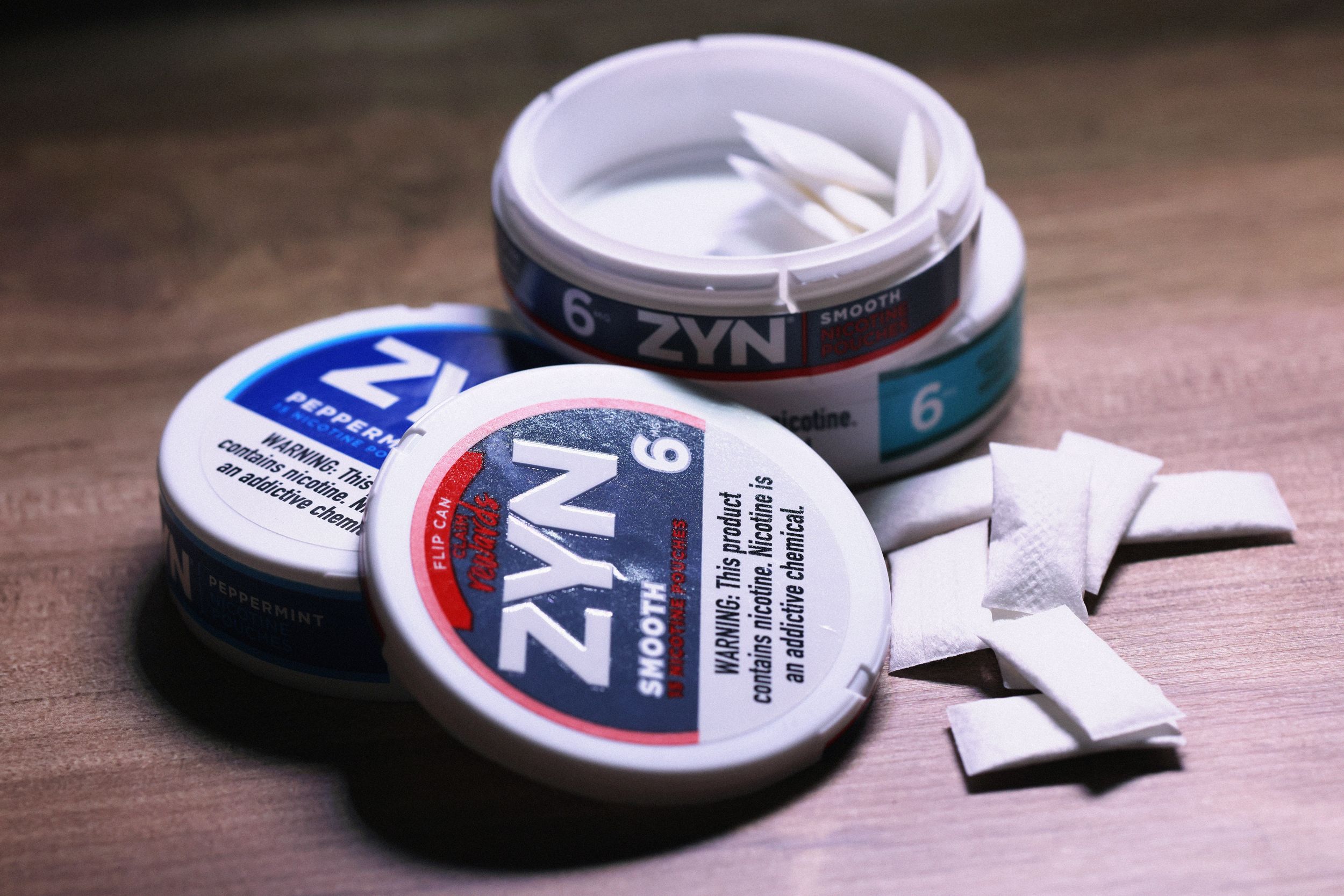
Can a discreet, tobacco-free pouch truly serve as the "skeleton key" to an optimized, high-output existence? Within the corridors of Silicon Valley and the burgeoning hubs of the AI revolution, a subtle but pervasive shift is occurring. What was once viewed as a "degenerate" habit associated with heavy smoking is being rebranded as a clean, essential nootropic for the digital age, proving that the tech bros are all in on Zyn.
The Rebranding of a Stimulant: Why Tech Bros Are All In on Zyn
The rapid ascent of nicotine pouches, led prominently by the Philip Morris International-owned brand Zyn, represents more than just a change in delivery method. It marks a fundamental shift in how stimulants are perceived in professional environments.
In the last financial year alone, Zyn distributed 794 million cans in the United States, representing a staggering 37 percent increase over the previous year. This growth is fueled by an entrepreneurial class that views nicotine not as a vice, but as a tool to facilitate flow states and extended periods of intense productivity.
By stripping away the smoke, smell, and social stigma of traditional cigarettes, these pouches offer a way for tech workers to maintain high levels of stimulation without disrupting the office environment. For many founders managing 15-hour workdays, the pouch functions as a performance-enhancing hack.
The goal is simple: achieve a state that is simultaneously stimulating enough to ensure micro-level focus and relaxed enough to maintain composure during high-stakes negotiations.
Cognitive Optimization or Chemical Dependency?
The debate surrounding these pouches often centers on the tension between perceived cognitive benefits and the undeniable risk of addiction. While proponents argue that nicotine facilitates dopamine-driven output, critics warn of a more insidious cycle of dependency.
The biological mechanism remains unchanged—the compound floods the brain's reward system—but the method of ingestion has become much more palatable to the biohacking community. The spectrum of nicotine delivery among high-performers varies significantly based on their dedication to "pure" substances:
- Nicotine-coated toothpicks: Favored by those seeking a minimalist, "clean" form of delivery without additives.
- Standard pouches (e.g., Zyn): The mainstream choice for convenience and flavor-driven stimulation.
- Specialized brands (e.g., Lucy or Sonic): Aimed at users looking to minimize synthetic fibers or artificial sweeteners.
Despite the popularity of these methods, prominent figures in the biohacking space remain divided. While some see nicotine as a perfect psychotropic tool for regulating arousal levels, others, such as Bryan Johnson, warn that the habit leads to a loss of autonomy and physical damage like gum recession.
The industry is currently caught between two ideologies: one side viewing it as a necessary fuel for the "machine-like" worker, and the other seeing it as a dangerous chemical crutch.
A New Frontier in Performance Culture
The influence of nicotine pouches is expanding far beyond software engineering offices, seeping into the broader manosphere and mainstream entertainment. From partnerships with the UFC to the promotion of brands by high-profile podcasters and political figures, "pouch culture" is gaining significant cultural momentum.
This expansion suggests that the product is no longer just a niche tool for developers, but a cornerstone of a new, aggressive brand of masculinity centered on "performance-driven" living.
As the market continues to fragment with new brands and specialized delivery systems, the long-term trajectory remains uncertain. The tech industry has seen similar cycles with the rise and fall of various stimulants and "brain boosters."
Whether nicotine pouches will follow the path of the vape—eventually becoming a widely criticized and regulated substance—or become a permanent fixture in the professional toolkit depends entirely on whether the promised cognitive edge can withstand the scrutiny of long-term health data. For now, the "racehorses" of Silicon Valley continue to lean into the rush.