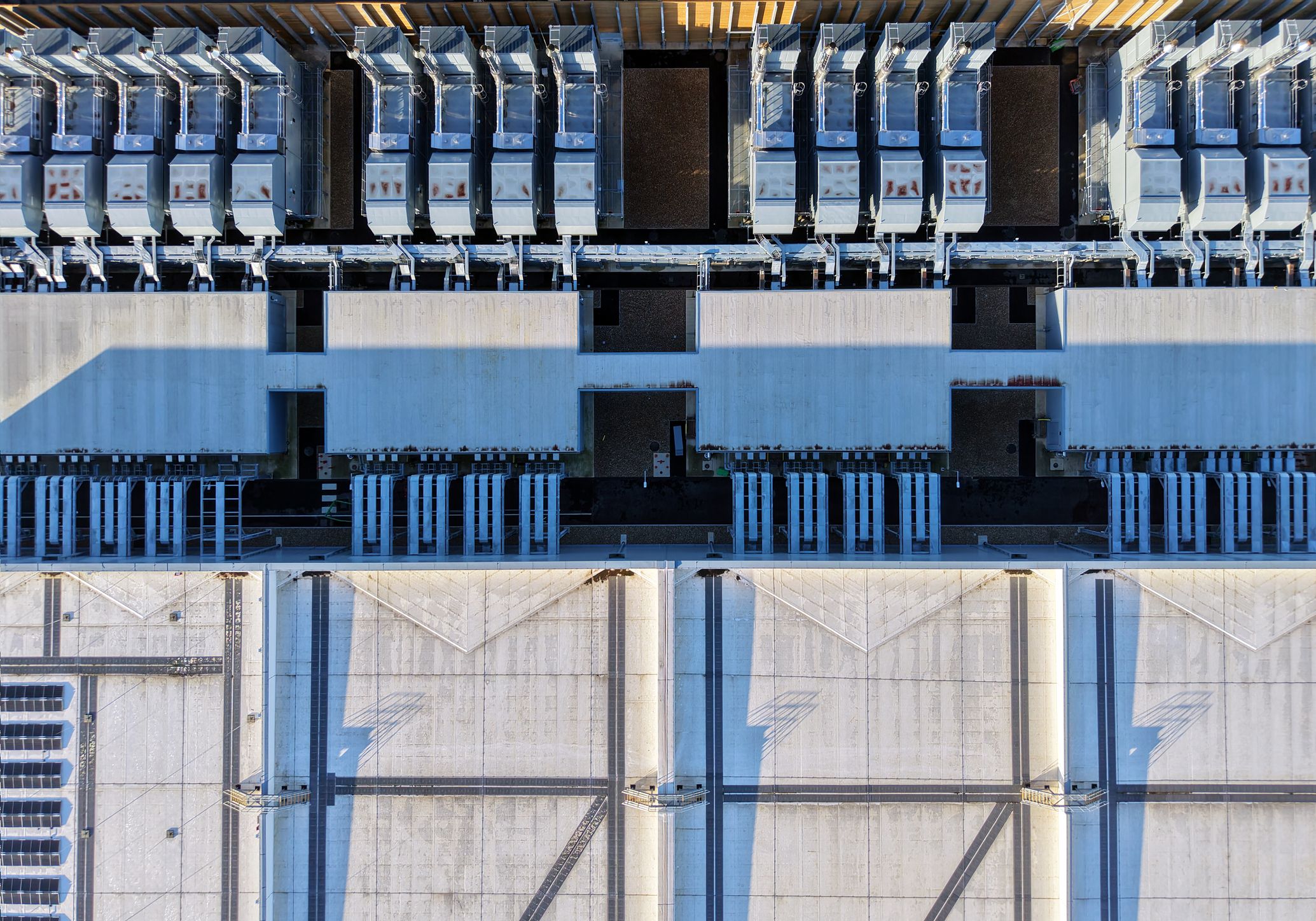
The US Government Will Ask Data Centers How Much Power They Use
While the digital cloud that powers modern life appears weightless and boundless, its physical backbone is rapidly becoming one of the most energy-intensive industries on the planet. The US government will ask data centers how much power they use, a move driven by the paradox where invisible data streams demand massive amounts of electricity from a strained grid. In response to growing concerns about rising utility costs and environmental impact, the Energy Information Administration (EIA) has announced plans for a mandatory nationwide assessment to finally quantify this consumption.
The Data Gap in an Era of Digital Explosion
For years, the rapid expansion of data centers across the United States has proceeded with scant official oversight regarding their energy footprint. While public debate rages over soaring electricity bills and climate change implications, most details about a facility's consumption have been shielded as proprietary business information. This lack of transparency left policymakers operating in the dark, unable to quantify the true scale of the industry's resource demands or its impact on local infrastructure.
The recent correspondence from EIA administrator Tristan Abbey to Senators Elizabeth Warren and Josh Hawley signals a decisive shift toward accountability. The agency intends to move beyond voluntary reporting and anecdotal evidence, establishing a formal mechanism to collect granular data. This initiative is not merely about gathering numbers; it represents a fundamental acknowledgment that the current rate of growth in compute capacity requires rigorous federal scrutiny.
Pilots Set the Stage for Mandatory Oversight
Before rolling out a comprehensive national survey, the EIA has initiated a strategic pilot program designed to test methodologies and refine metrics. The first phase targets three critical hubs of data center development: Texas, Washington state, and the northern Virginia/DC metro area. This targeted approach allows regulators to understand regional variations in energy sourcing and consumption patterns before mandating universal compliance.
Information gathered during these pilots will extend far beyond simple megawatt counts. The EIA aims to capture a holistic view of facility operations, including:
- Behind-the-meter power generation details, which reveal if facilities are running independent gas turbines or other self-sourced energy units.
- Cooling system classifications, a critical factor in determining overall efficiency for high-density computing racks.
- Facility characteristics such as square footage and construction type to correlate physical size with power draw.
- IT specifications that measure how efficiently servers utilize the electricity they consume, distinguishing between idle loads and active processing.
The pilot results will inform the structure of a second tranche covering at least three additional states, with both surveys scheduled for completion by late September. This methodical rollout underscores the complexity of the task; the EIA intends to tailor questions based on specific facility locations rather than applying a rigid, one-size-fits-all template.
The Hidden Costs Behind the Cloud
As utilities struggle to keep pace with demand, many data center operators are bypassing the grid by constructing their own power sources behind the meter. This trend, often driven by regulatory pressures from the Trump administration to protect ratepayers, introduces new environmental complexities. The reliance on gas-powered generators has sparked fresh concerns regarding air pollution and carbon emissions, leading to legal challenges such as a recent lawsuit filed by the NAACP against xAI for alleged unpermitted operations in Mississippi.
The mandatory survey aims to shed light on these opaque practices, forcing companies to disclose whether their energy use is contributing to local smog or accelerating climate change. Senator Warren emphasized that Americans deserve clarity on how data centers affect their wallets and the environment. Without this data, the industry continues to expand while public infrastructure crumbles under unseen loads.
The transition from voluntary inquiries to mandatory assessment marks a pivotal moment for the tech sector's relationship with energy policy. As the EIA refines its approach based on pilot feedback, the coming years will likely bring stricter regulations and greater public transparency regarding the true cost of the digital revolution. The cloud may remain intangible to users, but its power consumption is becoming impossible to ignore.