US Clears Nvidia H200 Sales to Select Chinese Tech Giants
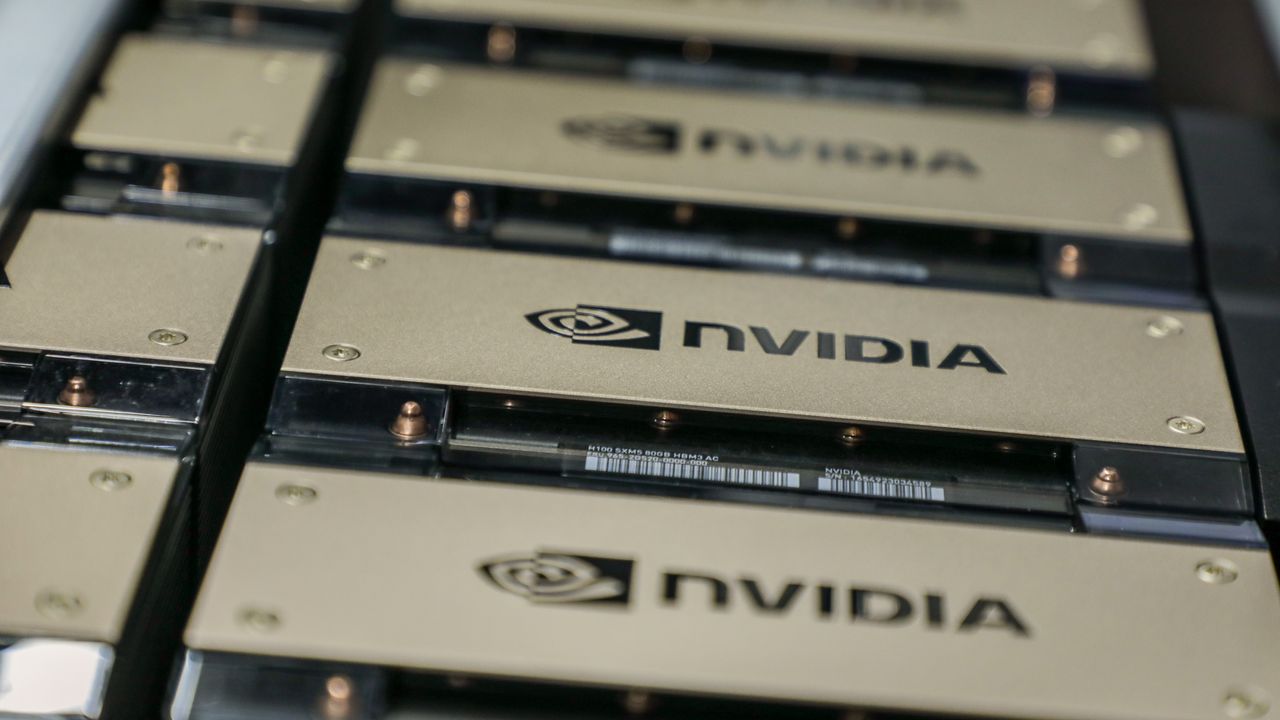
The geopolitical landscape surrounding artificial intelligence hardware has shifted once again. In a move that signals a potential thaw in tensions, the US government has formally approved the sale of Nvidia’s advanced H200 AI chips to ten specific Chinese firms. However, this approval comes with a significant caveat: while the US has lifted its red tape, the final go-ahead still rests with Beijing.
This development marks a pivotal moment in the ongoing trade relationship between Washington and Beijing. The approval was reportedly solidified during President Donald Trump’s recent diplomatic trip to China, where he traveled with a delegation of top tech executives. The goal was to "open up China so that these brilliant people can work their magic," facilitating direct negotiations between American tech leaders and Chinese counterparts.
The Beneficiaries and the Bottleneck
The initial reports of this deal sparked confusion, particularly regarding Nvidia CEO Jensen Huang’s presence. While early speculation suggested Trump had forgotten to invite the chipmaker’s head, it was later confirmed that Huang was indeed seated on Air Force One alongside industry heavyweights like Elon Musk and representatives from Qualcomm and Micron.
According to reports from Reuters, the list of approved purchasers includes several of China’s most powerful tech conglomerates:
- Alibaba
- Tencent
- ByteDance
- JD.com
- Lenovo
- Foxconn
Lenovo has been the only company to directly confirm the news to Reuters. These ten firms are reportedly allowed to purchase up to 75,000 chips in total. Yet, a critical barrier remains. Sources close to the matter indicate that while the US side has cleared the path, Chinese companies are still waiting for explicit guidance from their own government to actually take delivery of the hardware.
A History of Ban and Counter-Ban
This situation is not a sudden shift but a continuation of a complex, years-long negotiation. Back in March, the Chinese government reportedly agreed to allow the import of H200 GPUs, contingent on a cap set by the US. At that time, the proposed limit of 75,000 units was intended to cover AI chips from both Nvidia and its competitor, AMD. It remains unclear if that specific restriction has held firm or evolved.
Both nations have historically used export controls as leverage in the AI race:
- The US Stance: Washington seeks to maintain dominance in the global AI sector by restricting access to cutting-edge technology.
- China’s Stance: Beijing aims to reduce its reliance on foreign goods, pushing for self-sufficiency in critical tech infrastructure.
The restrictions have been severe. By October of last year, Nvidia CEO Jensen Huang noted that the company was "100% out of China," highlighting the severity of the export bans. Huang argued that while the ban hurts China, it simultaneously harms American interests by stifling revenue and innovation.
The Economic and Strategic Balance
For Nvidia, the ability to sell in China is no longer just a business opportunity—it is a financial necessity. Prior to the restrictions, the Chinese market generated 13% of Nvidia’s total revenue. While Nvidia has recently surged to become the first-ever $5 trillion company driven by the global AI boom, losing access to such a significant portion of its customer base was a blow the company could not ignore.
Huang has repeatedly urged the US to export AI technology "like crazy," emphasizing that market access is crucial for sustaining the rapid development of AI infrastructure. The US government faces a delicate balancing act: it must allow enough sales to support Nvidia’s financial health and broader economic benefits without providing so many chips that China accelerates its own AI capabilities too rapidly.
Geopolitical Criticism
Not everyone views this approval as a strategic win for America. Chris McGuire, a Senior Fellow for China and Emerging Technologies, told Reuters that the deal may ultimately serve Nvidia’s interests more than the national good.
McGuire argues that exporting these chips to China means they are not being allocated to US firms, thereby diverting resources away from American AI development. "It is remarkable that President Trump keeps getting convinced to put Nvidia’s interest ahead of America’s," McGuire stated, highlighting the ongoing debate over where corporate profits end and national security begins.
What This Means for the Industry
While tech executives and investors watch closely, the immediate impact on consumers remains indirect. PC gamers and hardware enthusiasts are left to monitor the situation as both governments and corporations navigate the high-stakes game of resource allocation. The long-term hope for many is that this increased competition and production volume will eventually help stabilize prices for components like memory, which have seen significant volatility due to the AI boom.
For now, the approval of the Nvidia H200 sales stands as a tentative step forward, but until Beijing gives its final nod, the chips will likely remain in limbo, caught between two superpowers in a digital cold war.