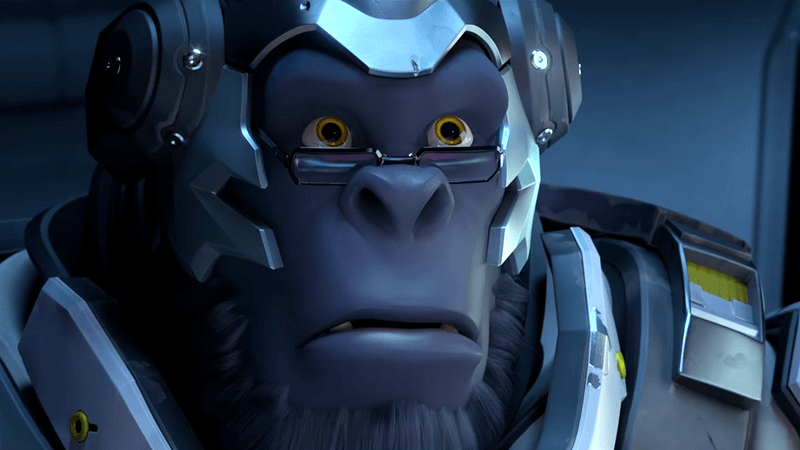
Overwatch's 10-year anniversary has officially kicked off, and Blizzard Entertainment has delivered a nostalgic trip down memory lane. While players are enjoying the massive influx of loot boxes, the real standout feature is the introduction of OG Mode in the Arcade. This mode brings back the raw, unfiltered experience of Day 1 Overwatch, offering a chaotic and humorous reality check on how much the game has evolved over the last decade.
Initially accessed out of curiosity and a desire for anniversary rewards, the OG mode quickly became a mesmerizing spectacle of pure chaos. The experience is defined by absurd team compositions and outdated mechanics that have since been polished into obscurity.
The Chaos of Early Overwatch
Playing OG Mode is a wild ride back to a simpler, albeit messier, time. Matches are defined by frantic, disjointed gameplay that feels alien to modern players.
- 12 Winstons in the Sky: The skies are often filled with Winston clones engaging in epic aerial dogfights, with everyone scrambling for the last med pack.
- The "Cursed" Trinity: Players are subjected to the infamous combination of Reinhardt, Bastion, and Mercy, a team composition that was once a staple but is now remembered for its frustration.
- Widowmaker’s Freedom: Without the barrage of shields and mobility tools available today, Widowmakers roam freely, making sniping both terrifying and nostalgic.
Despite the disorder, the mode is undeniably fun. It captures the unique, unpredictable energy that defined the game’s launch, reminding us of the raw potential that existed before years of balancing and refinement.
Why Everything Feels So Slow
One of the most striking differences in OG Mode is the sluggish pace of movement and combat. The speed adjustments and buffs implemented over the last 10 years are massive, and their absence is jarring.
- D.Va’s Mobility: D.Va appears to be standing still when walking with her primary fire engaged, a stark contrast to the hyper-mobile hero we know today.
- Zenyatta’s Ult: Trying to escape a Zenyatta ultimate feels like wading through quicksand, highlighting how much faster the game is now.
- Roadhog’s Self-Heal: Perhaps the most comedic element is Roadhog stopping dead in his tracks to self-heal. Watching him freeze in the middle of a barrage of fire, only to flop over dead moments later, is a humorous reminder of older, clunkier mechanics.
The Power of Early Ultimates and Tanks
Beyond movement, the power dynamics of early Overwatch were drastically different. Ultimates were charged at an alarming rate, making them available for almost every single fight. This created a high-stakes, chaotic environment where big plays were constant.
Furthermore, the tank heroes of the original roster were significantly weaker than their modern counterparts.
- Bastion vs. Zarya: A Bastion could shred through a Zarya’s bubble and health in seconds, a feat that would be nearly impossible in the current meta.
- Lack of Health: Tanks lacked the survivability and damage output that defines modern tank play, forcing teams to rely more on positioning than brute force.
Appreciating Modern Overwatch
Playing this old version of the game doesn’t diminish the love for Overwatch; instead, it highlights the incredible progress Blizzard has made. The vast majority of heroes have improved leaps and bounds since their initial release.
Key Improvements Over the Years
- Balanced Damage: Bastion’s grenade and Winston’s right-click now provide necessary burst and long-range damage, balancing them effectively against other heroes.
- Removed Crowd Control: The removal of frustrating crowd control abilities, such as Cassidy’s Flashbang and Mei’s Freeze Effect, has made the game much more enjoyable, particularly for tanks who no longer get stunned every other second.
- Quality of Life Tweaks: Small changes, such as adding self-healing to various heroes and increasing individual movement speeds, have gone a long way in making the game feel more dynamic and exciting.
These changes were implemented gradually over ten years, making them easy to forget. However, OG Mode shines a spotlight on just how good Overwatch is right now. It serves as a perfect celebration of the game’s 10-year anniversary, reminding us of the chaotic roots that have evolved into the polished, competitive experience we enjoy today.