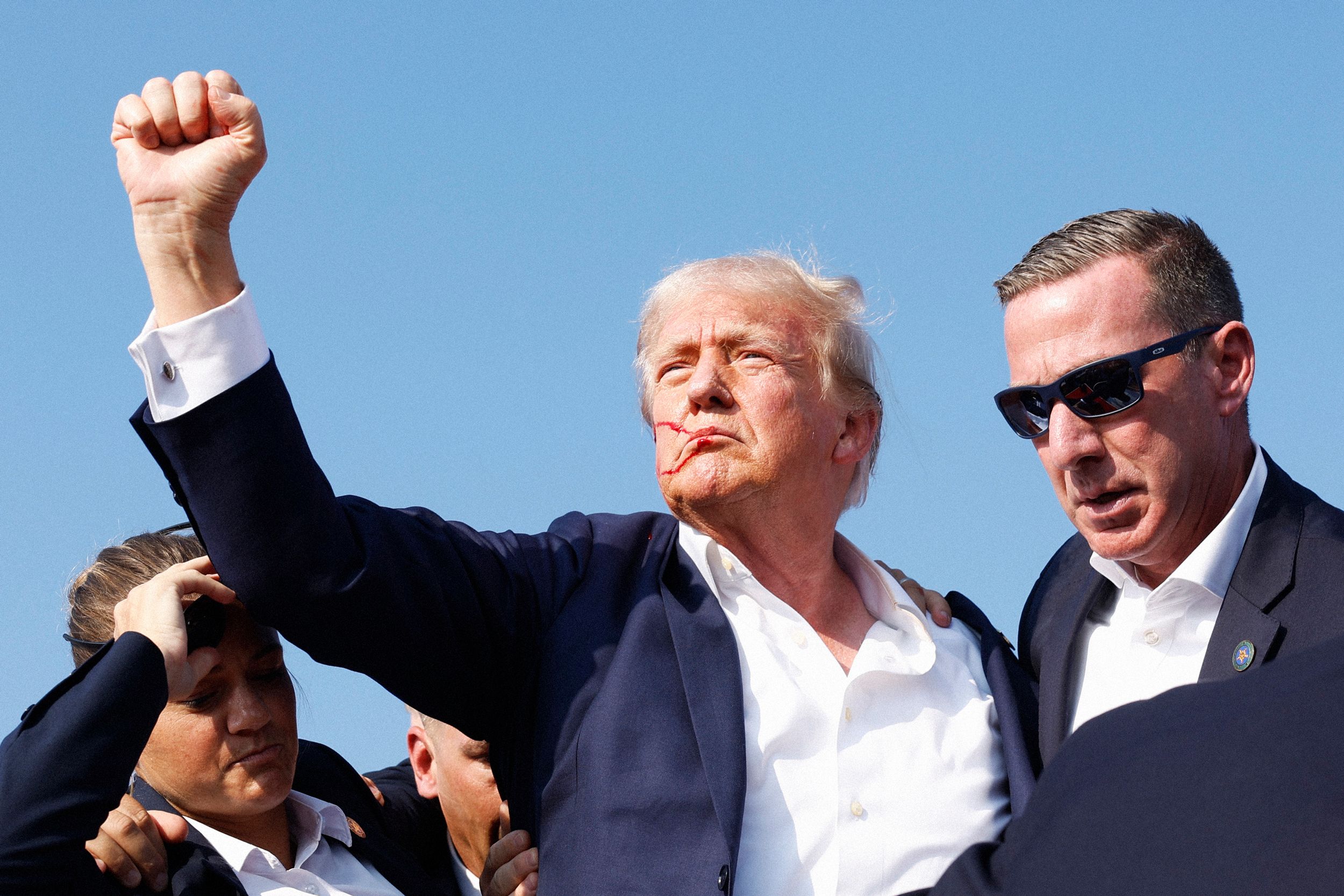
A tense moment at a high-profile political event crystallized into a broader cultural debate, with live feeds capturing a figure collapsing near a podium before rising and continuing his speech. The incident unfolded amid a flurry of interpretations, each vying to explain what truly transpired.
The Mythology of Staged Events
Social platforms amplified claims that both the Butler shooting and White House Correspondents’ Dinner incident were orchestrated. This narrative gained traction despite contradictory evidence and expert analysis.
- Key points of contention include disputed claims about photographer positioning, injury visibility, and security lapses.
- Conspiracy theorists focus on perceived anomalies, such as flag placement and timing of footage, to argue staging.
- Factual rebuttals emphasize documented procedures, medical records, and law enforcement protocols.
Evidence Gaps and Misinterpretations
Analysts note that ambiguity around the shooter’s identity and motives has fueled speculation, but this does not equate to proof of a coordinated plot. Footage from official sources contradicts some assertions about staged elements.
- Witness accounts and verified video evidence show no direct influence from campaign staff on photographers.
- Medical records confirm injury severity, even if details remain incomplete due to privacy rules.
- Security assessments clarify that perimeter limits were explicitly defined and adhered to by authorities.
Expert Consensus and Historical Context
Academic and investigative perspectives consistently reject staging theories in favor of grounded explanations. Political scientists highlight how crises often trigger misinformation cycles, especially during election periods.
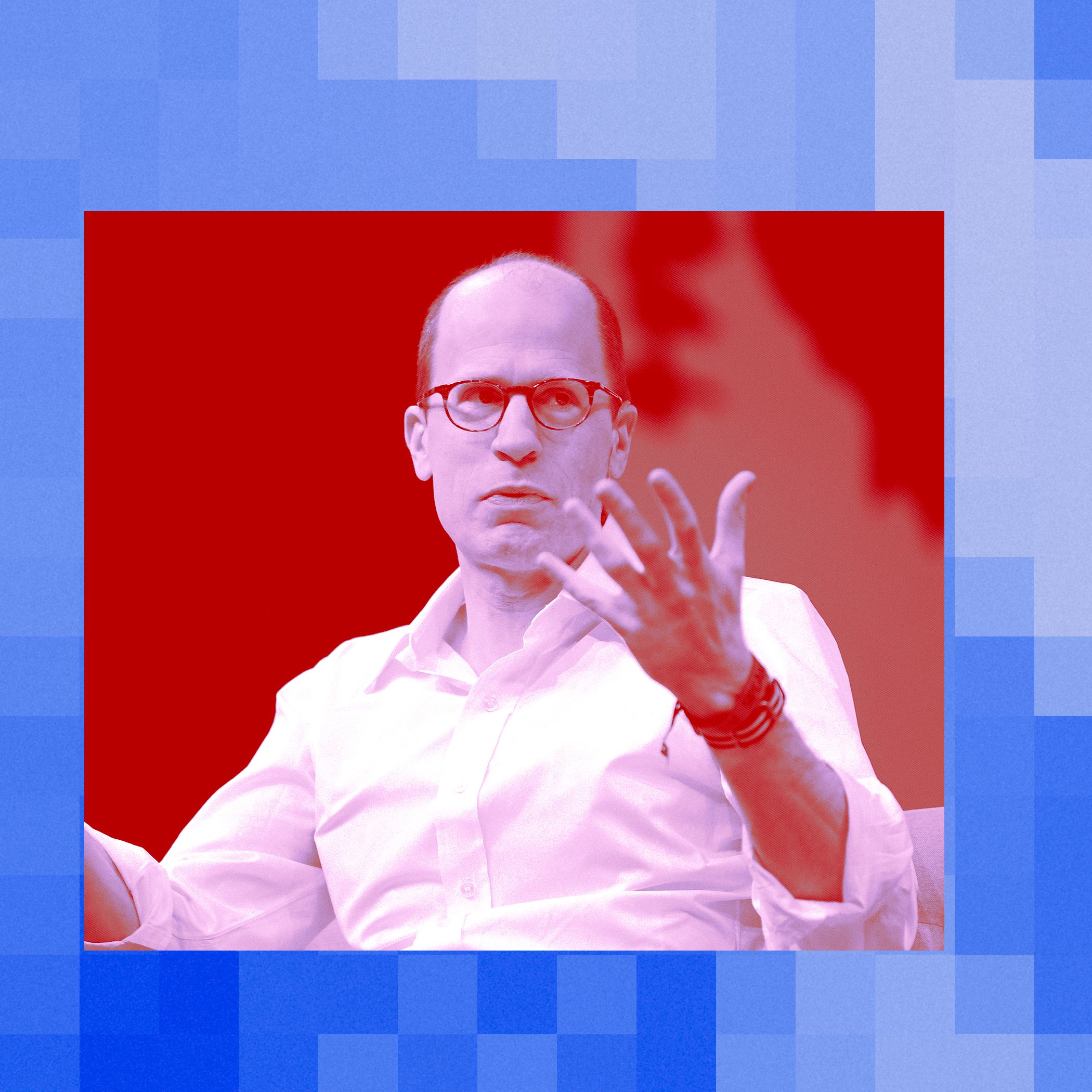
Joseph Uscinski underscores that conspiracy thinking thrives on uncertainty but remains distinct from documented facts. Official reports and forensic reviews provide a clearer picture than anecdotal speculation.
Path Forward: Critical Engagement
The persistence of these claims reflects deeper issues in media consumption and partisan divides. Encouraging rigorous fact-checking and prioritizing credible sources can mitigate the spread of unsupported narratives.
- Promote media literacy to distinguish between opinion, interpretation, and evidence.
- Support transparent investigations that release relevant documents over time.
- Foster dialogue that acknowledges public anxiety while upholding scientific rigor.
The absence of tangible proof for staging leaves only conjecture, yet the conversation underscores societal challenges around trust and information integrity. Moving forward requires balancing skepticism with responsibility to verify claims before amplification.