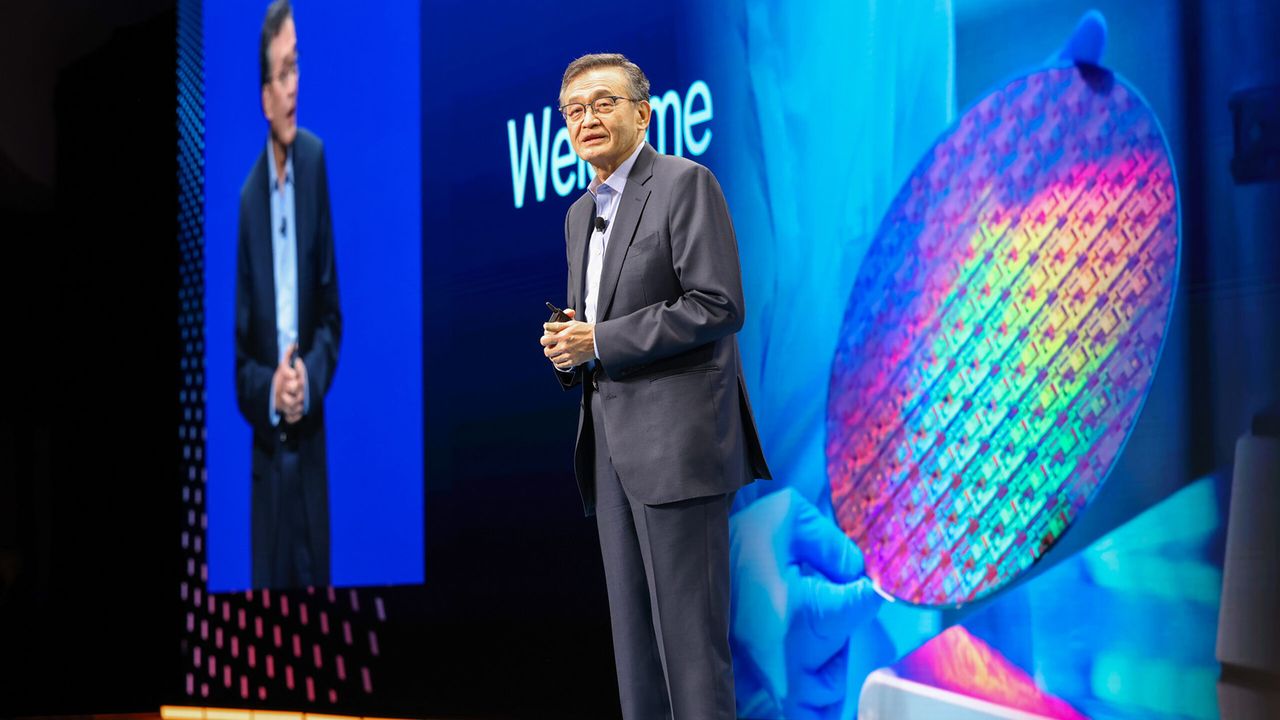
Intel reports strong financial results for its first-quarter 2026 earnings, signaling a significant turnaround for the semiconductor giant. After a period of intense uncertainty, CEO Lip-Bu Tan took a defiant tone during his opening remarks, marking a departure from the company's recent struggles.
"Intel is now a very different company than when I first joined over a year ago," said Tan. "We have taken, and continue to take, deliberate steps to rebuild Intel into a more competitive and more profitable company."
Key Financial Highlights from Q1 2026
The recent earnings call revealed that Intel reports strong financial results, with total revenue reaching $13.6 billion for the quarter. CFO David Zisner noted that demand is currently outstripping supply, suggesting even higher potential for future growth.
The company’s pivot toward artificial intelligence is clearly paying off, with AI-driven businesses now accounting for 60% of Intel's total revenue and growing by 40% year-over-year. Notable performance metrics include:
- Data Center and AI Revenue: $5.1 billion (up 22% year-over-year).
- ASIC Revenue: Nearly doubled compared to Q1 2025.
- Client Computing Group: Up $300 million quarter-over-quarter, representing 33% of total revenue.
Zisner attributed the increase in client computing revenue to improved product margins, better 18A yields, and more efficient operating expenses.
The Path to 14A and Foundry Success
While Intel's recent performance is impressive, the company continues to navigate the high costs of manufacturing innovation. Intel Foundry reported an operating loss of $2.4 billion, though this represents a $72 million improvement over the previous quarter. This loss was largely driven by an intentional increase in Intel 14A investments.
Despite the current losses, there is massive optimism surrounding upcoming technology. CEO Lip-Bu Tan stated that the maturity and performance of the in-development 14A process is already outpacing the early stages of the 18A process. Intel is also actively developing process design kits (PDKs) for multiple customers to ensure a robust ecosystem.
High-Profile Partnerships: Tesla and Nvidia
The momentum behind why Intel reports strong financial results is bolstered by massive industry partnerships. Most notably, Elon Musk recently announced that Tesla will utilize the 14A process to manufacture AI chips for the company's Terafab project.
Tan highlighted the importance of this collaboration, noting his shared conviction with Musk regarding the global semiconductor supply gap. "We are excited to explore innovative ways to refactor silicon process technology," Tan remarked.
Speculation is also swirling regarding a potential "team green/team blue" collaboration between Intel and Nvidia. Rumors suggest a project codenamed "Serpent Lake" could combine Nvidia's next-gen Rubin GPU technology with Intel's advanced silicon, though official details remain unconfirmed.
Following the announcement that Intel reports strong financial results, the company's share price surged by 20%. As the AI boom continues to drive demand, Intel appears well-positioned to capitalize on the next generation of computing.