Can a titan built on the physical prestige of high-end hardware maintain its dominance when its most lucrative engine is an invisible layer of monthly recurring revenue? As industry analysts observe how Tim Cook’s legacy is turning Apple into a subscription powerhouse, the answer becomes complex.
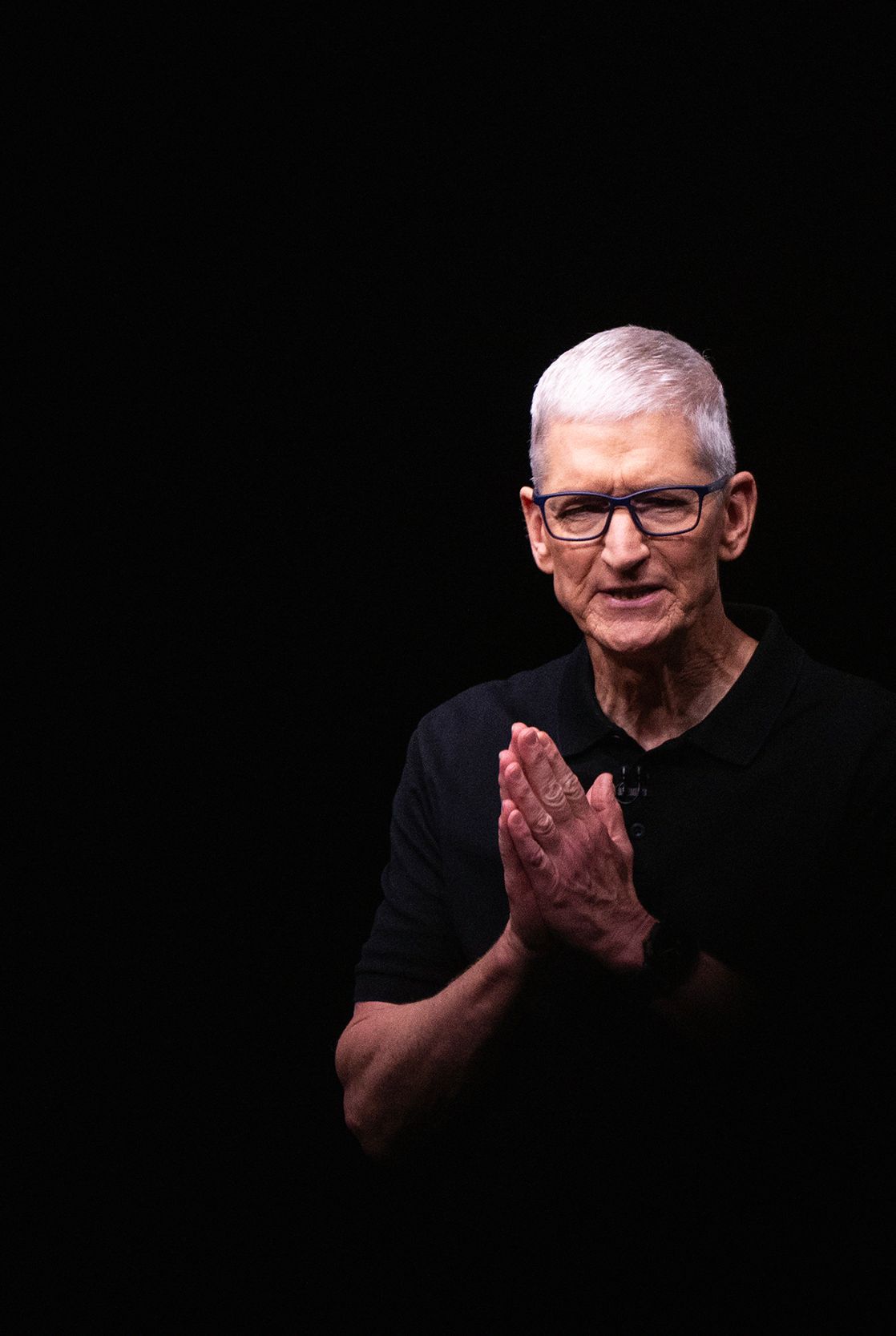
For much of its history, Apple was defined by the tangible: the sleek aluminum of the MacBook, the glass of the iPhone, and the tactile click of the iPod. However, as Tim Cook prepares to step down as CEO on September 1, his impact appears less about the objects in our pockets and more about the recurring charges on our credit card statements. Under his leadership, Apple has undergone a fundamental metamorphosis, transitioning from a premier hardware manufacturer into one of the world's most formidable platform companies.
How Tim Cook’s Legacy Is Turning Apple Into a Subscription Engine
The scale of this transition is visible in the company’s recent financial architecture. During the quarter ending December 2025, Apple's services business reached an all-time revenue record of $30 billion, marking a 14 percent increase from the previous year. This growth trajectory is a sustained trend; for the entirety of fiscal year 2025, services generated more than $109 billion.
This revenue stream—which encompasses iCloud, the App Store, Apple Music, and Apple TV+—has become so robust that it now outpace the combined earnings of the Mac, iPad, Apple Watch, and other accessories. This shift was a deliberate strategic pivot toward ecosystem lock-in.
By integrating these services deeply with iOS and Messages, Apple has created a "subscription layer" that makes leaving the ecosystem prohibitively expensive. While predecessors like Steve Jobs laid the foundations, it was Cook’s era of operational efficiency that turned these digital offerings into a high-margin financial powerhouse. Ultimately, Tim Cook’s legacy is turning Apple into a subscription model by harvesting value from every user, every single month.
From Silicon Success to the AI Frontier
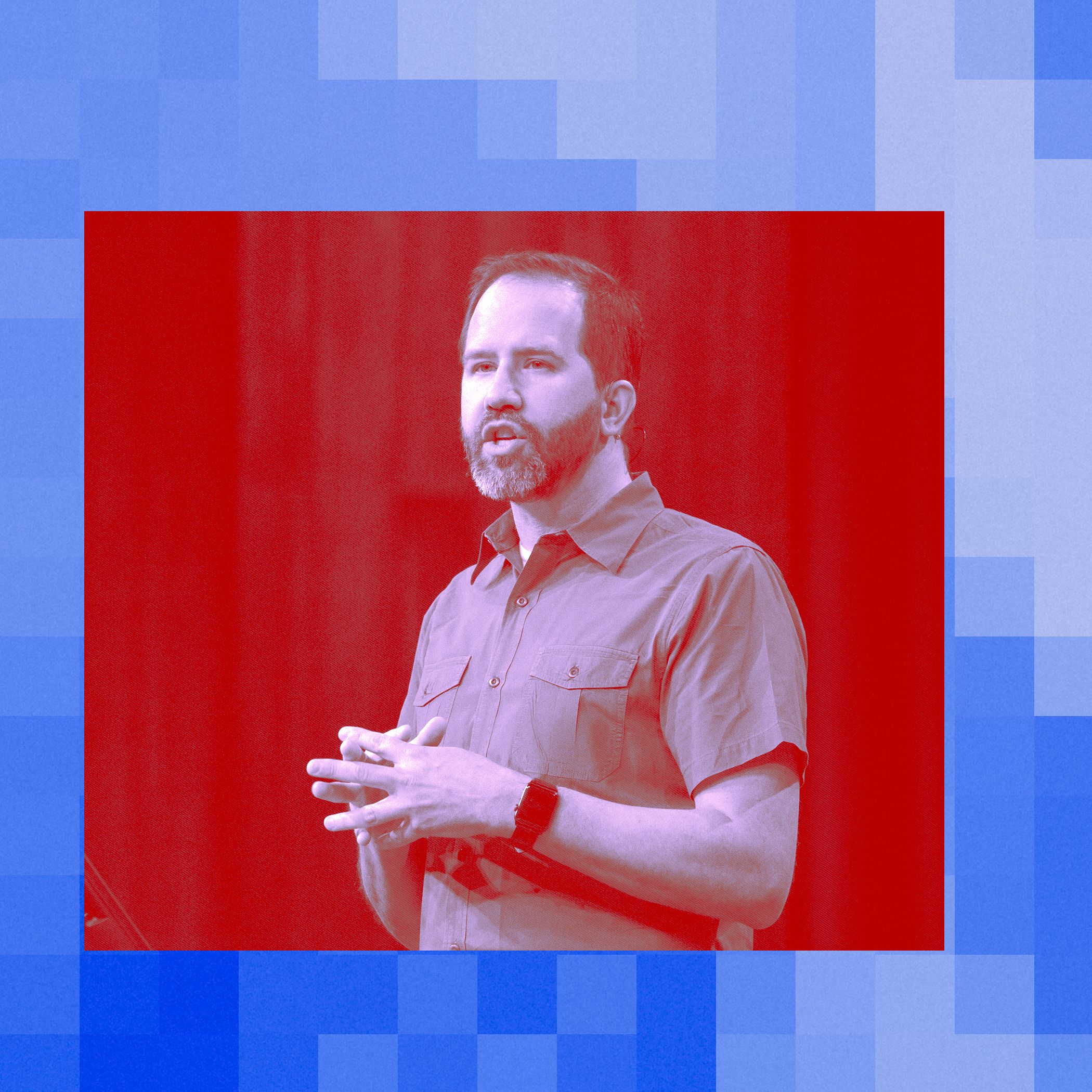
The mantle of leadership now passes to John Ternus, Apple’s Senior Vice President of Hardware Engineering. While his background is rooted in physical components, his recent contributions serve as a blueprint for the next era. Ternus played a pivotal role in leading the Mac transition from Intel processors to Apple Silicon.
This complex "brain transplant" established the hardware foundation necessary for the company's current foray into generative AI. However, the challenge facing Ternus is significantly more nebulous than managing a chip transition. Apple's approach to Apple Intelligence has been characterized by opacity and recent executive volatility.
Following the departures of key AI leaders like Robby Walker and John Giannandrea, the company finds itself in a period of realignment. To navigate this, Apple is weighing several distinct strategic paths:
- The Embedded Approach: Utilizing AI to enhance existing ecosystem features, such as generating custom emojis in Messages.
- The Partner Approach: Leveraging third-party expertise through high-stakes agreements, notably the deal to integrate Google Gemini into iOS.
- The Native Integration Approach: Developing proprietary, highly optimized models that act as a new "glue" for the operating system.
The Verdict: A Platform Identity
The next decade of Apple will be defined by whether the company can successfully apply its "platform approach" to generative AI. If the hardware-to-services transition was about creating a financial moat through recurring revenue, the hardware-to-AI transition will be about creating a functional moat through intelligence.
Ternus has already proven he can execute massive, system-level transitions. Now, he must determine if Apple's future lies in being the container for the world's best AI or the creator of its most trusted intelligence. As Tim Cook’s legacy is turning Apple into a subscription model, the era of the intelligent platform is only just beginning.