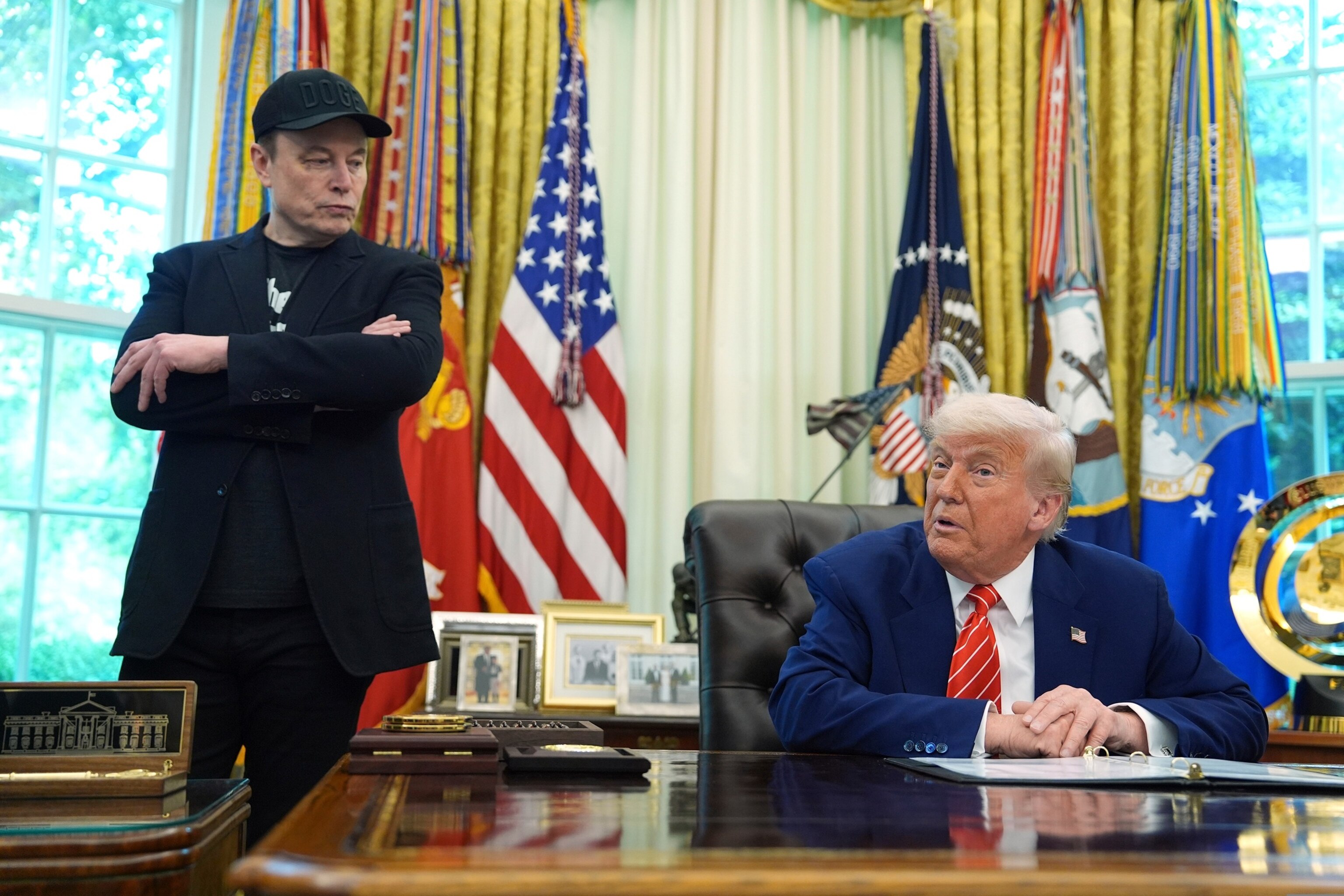
The landscape of technology, politics, and public health is shifting rapidly. From a significant pivot in how the Trump administration approaches artificial intelligence to personal political battles emerging from the Department of Government Efficiency (DOGE), the current news cycle demands close attention. As we navigate these changes, understanding the nuances of new regulatory frameworks and biological risks is more critical than ever.
The AI Regulatory Shift Signals a New Era of Oversight
Artificial intelligence has moved quickly from a period of unregulated experimentation to an era defined by a push for structured governance. Recent reports suggest the executive branch is contemplating an official framework designed to evaluate emerging AI models before they reach public deployment. This potential shift represents a major departure from previous stances, signaling a growing recognition of the inherent risks associated with unchecked machine learning.
From Laxness to Accountability
The administration’-s evolving stance on AI regulation mirrors a global trend where governments are struggling to manage the societal impact of automation. Key developments in this policy reversal include:
- Federal Review Processes: An executive order is currently under consideration to establish mandatory reviews for high-risk models, potentially utilizing cross-agency committees.
- Safety vs. Innovation: Intense debates are ongoing regarding how to define "safety" without stifling the rapid pace of technological progress.
- Industry Concerns: Developers have voiced pushback, fearing that increased bureaucratic oversight could lead to delays and hinder the competitive edge of domestic tech firms.
While critics argue that moving away from deregulation creates uncertainty for developers, supporters maintain that adaptive policies are essential to mitigate harms like algorithmic bias and widespread misinformation.
Political Ripple Effects: DOGE Controversy and Workforce Strain
The political landscape is experiencing significant tremors beyond mere policy shifts. A notable story has emerged involving a former federal employee who was dismissed after capturing footage of activities related to DOGE. This individual has since transitioned from government service to running for office, framing her campaign around themes of institutional overreach and personal accountability.
At the same time, broader economic tensions are manifesting in the labor market. Recent accounts from the airline industry—specifically regarding sudden layoffs during corporate restructuring—highlight the growing vulnerabilities within privatized services. These disruptions are prompting renewed calls for stronger labor protections as industry consolidation continues to impact the workforce.
Public Health Context: Hantavirus and Risk Perception
In the realm of public health, experts are providing much-needed clarity regarding hantavirus. While recent headlines may cause concern, health officials emphasize that transmission remains geographically limited.
The virus typically arises from exposure to rodent-infested environments, particularly in rural settings. To maintain safety, the following preventive measures are recommended:
- Sanitation: Maintaining clean living and working spaces to deter rodents.
- Wildlife Avoidance: Minimizing direct contact with wild animals and their habitats.
- Rapid Reporting: Immediately reporting any suspected exposures to medical professionals.
While current data indicates a low rate of community spread, sporadic incidents serve as a reminder that localized awareness is vital for preventing outbreaks.
Balancing Innovation and Oversight
The intersection of AI regulation, political upheaval, and public health illustrates the complexity of modern governance. Regulators are under immense pressure to craft rules that protect the public without killing the creativity that drives the economy. As technological breakthroughs continue to outpace traditional lawmaking, the need for proactive, evidence-based policy becomes undeniable.