The future of autonomous mobility promises a world of seamless, software-driven elegance, yet its success remains dependent on manual labor. As Uber taps Hertz to clean, charge, and fix its Lucid Motors robotaxis, the industry is looking at the grit behind the glamour. While headlines focus on sophisticated self-driving algorithms, the operational reality involves vacuuming floor mats, plugging in cables, and repairing mechanical wear.
Why Uber Taps Hertz to Clean,ly Charge, and Fix its Lucid Motors Robotaxis
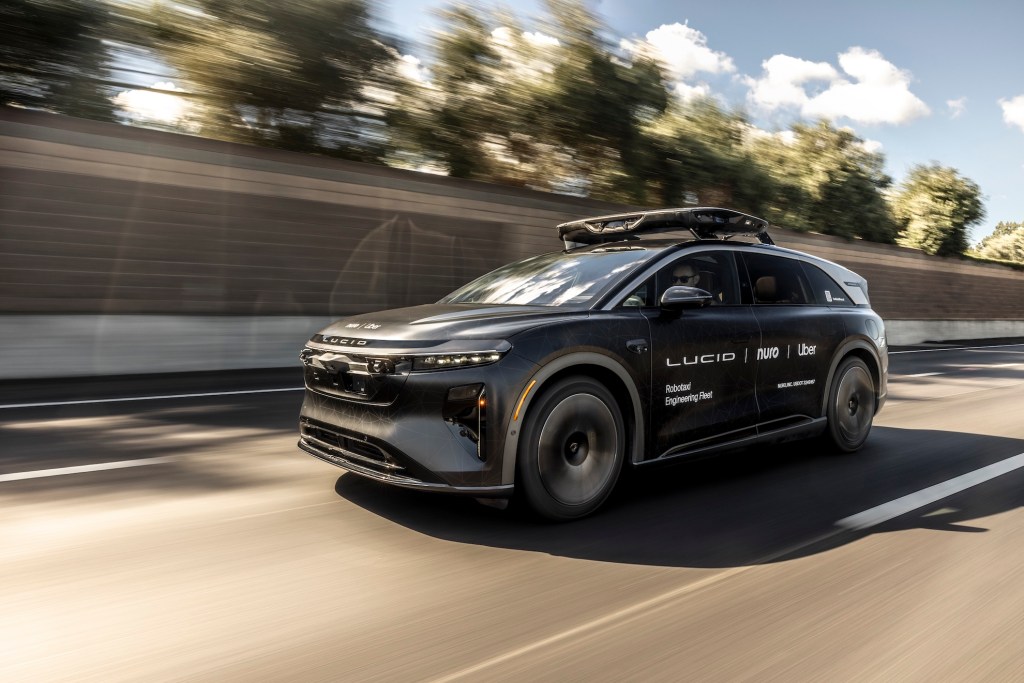
Uber’s upcoming luxury autonomous service—a collaboration involving Lucid Motors and Nuro—has officially identified its heavy lifter: Hertz. Rather than managing the logistical nightmare of a driverless fleet internally, Uber is leveraging Hertz’s established infrastructure through a new affiliate known as Oro Mobility. This entity is designed to act as the operational backbone for the service, focusing on integrated fleet management solutions.
The scope of work for Oro Mobility covers the essential, high-frequency maintenance required to keep a premium fleet in showroom condition. Their responsibilities include:
- Battery management and scheduled charging cycles.
- Routine mechanical repairs and preventative maintenance.
- Interior and exterior cleaning to maintain luxury standards.
- Depot staffing and logistical oversight of vehicle movement.
By outsourcing these day-to-day tasks, Uber can focus on software and passenger experience. Meanwhile, Hertz addresses the physical upkeep that often breaks the economics of autonomous fleets. This move attempts to solve a critical bottleneck in the transition from human-driven ride-sharing to fully automated transport.
Lessons from the EV Fire Sale
For Hertz, this partnership represents a strategic pivot away from the volatile lessons of the early 2020s. The rental giant previously attempted to lead the electric revolution by announcing massive acquisitions of vehicles from Tesla, General Motors, and Polestar. However, those ambitions met a harsh reality check in 2024 when high maintenance costs and aggressive price wars forced a massive EV fire sale.
The primary lesson learned was that owning hardware is vastly different from managing it. When Uber drivers previously rented Hertz's EVs, unpredictable wear and tear drove overhead beyond sustainable levels. By positioning Oro Mobility as a service provider rather than just an asset owner, Hertz is moving into a more predictable revenue model.
This shift aligns Hertz with competitors like Avis, which has already begun providing similar management services for Waymo. They are no longer betting solely on the resale value of cars, but on the continuous necessity of keeping them running.
A Massive Scale of Integration
The scale of this deployment is nothing short of staggering. Uber’s commitment to the Lucid Motors ecosystem is deep, evidenced by its 11% ownership stake in the luxury EV manufacturer. The initial rollout, targeted for the San Francisco Bay Area by late 2026, will utilize the Lucid Gravity SUV platform paired with Nuro’s autonomous technology.
The roadmap suggests that this is only the beginning of a much larger hardware integration. Uber has signaled plans to order at least 35,000 robotaxi-ready vehicles from Lucid in the coming years. This includes an initial fleet of 10,000 Gravity models and expansion into mid-sized platforms.
As these numbers grow, the role of "fleet orchestration" will become the industry's most vital sub-sector. The success of this partnership will ultimately be measured by whether Oro Mobility can maintain the prestige of the Lucid brand under the pressure of 24/7 autonomous operation.