Financial autonomy for artificial intelligence has moved from theoretical experimentation to a functional reality. While the current digital economy relies on human interaction—clicking buttons and verifying two-factor authentication—the next phase of commerce will be defined by autonomous agents performing transactions without direct oversight. As Stripe introduces Link, a specialized digital wallet designed for this agentic era, we are seeing a significant pivot in how financial infrastructure must evolve to support non-human actors.
Bridging the Gap Between Human Intent and Agentic Action
The rise of autonomous AI is already placing unprecedented demand on consumer hardware. As users deploy increasingly sophisticated models on local machines—evidently seen in recent surges in Mac Mini sales for their ability to host always-on agents—the need for a secure, automated payment layer has become critical. The primary friction point in this transition is trust; granting an AI agent access to raw credit card credentials presents a security risk that most users cannot accept.
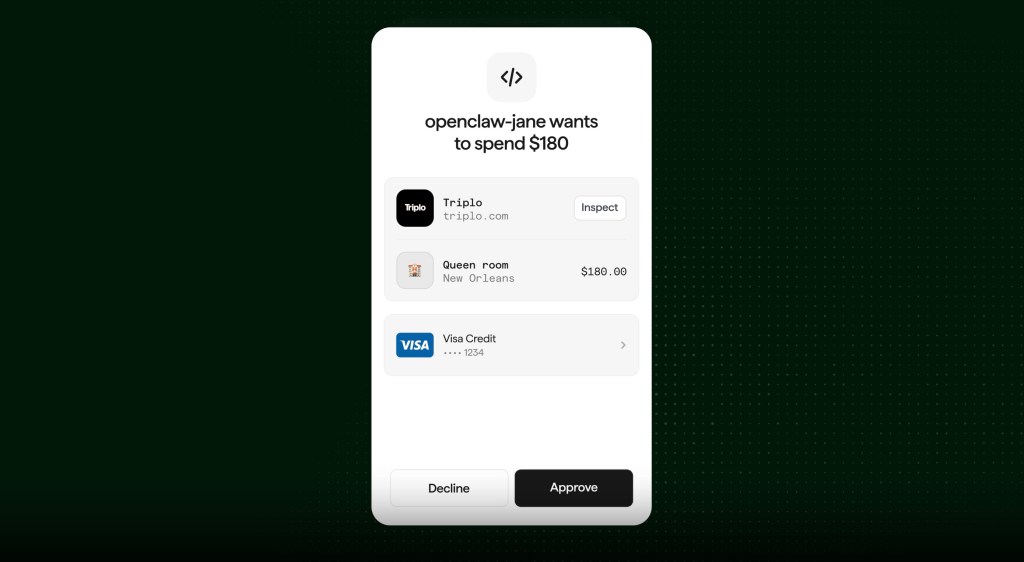
Link addresses this vulnerability by acting as a mediated intermediary. Rather than exposing sensitive billing information to an external software agent, the wallet utilizes an OAuth-based authentication flow. This allows a user to grant specific, permissioned access to their AI assistant, such as OpenClaw, without handing over the "keys to the kingdom."
When an agent identifies a need—whether it is booking a flight, securing a restaurant reservation, or purchasing software licenses—it initiates a spend request that requires human validation. The user experience shifts from manual data entry to a high-level oversight role. Through mobile and web notifications, users receive real-time alerts to review and approve pending transactions, ensuring the ultimate financial authority remains with the human owner.
Security Features of Stripe's Link Wallet
Stripe is not merely building a digital wallet for humans; it is constructing an infrastructure of isolation. The platform leverages its new Issuing for agents technology to ensure that even if an agent’s environment is compromised, underlying financial assets remain protected.
To achieve this level of security, the system utilizes several sophisticated mechanisms:
- Virtual Cards: Users can generate single-use or limited-use virtual cards specifically for agentic tasks, preventing any leakage of primary bank details.
- Shared Payment Tokens (SPT): A more permanent but abstracted method where payment credentials are masked from the agent while remaining backed by banks and cards.
- Real-time Authorization: Every transaction is subject to instant scrutiny, allowing for immediate revocation of access if suspicious activity is detected.
- Comprehensive Subscription Management: Beyond agentic use, users can track recurring payments, update billing info across services, and view consolidated spending reports.
For the human user, the wallet functions as a traditional high-end fintech tool, supporting everything from crypto wallets and Buy Now/Pay Later (BNPL) services to standard credit cards. However, the true innovation lies in the ability to set granular spending limits and predefined windows of activity, effectively creating a "financial sandbox" for AI agents.
Building the Infrastructure for the Agentic Web
The implications for the broader developer ecosystem are profound. Building a secure, PCI-compliant payment gateway is a monumental task that most AI startup founders cannot afford to undertake. As Stripe introduces Link as a turnkey solution, they are positioning themselves as the foundational layer for the Agentic Web.
Developers building personal assistants or automated commerce bots can integrate these wallet capabilities directly into their software, bypassing the need to build proprietary payment architectures from scratch.
As the industry moves toward a future where agentic tokens and stablecoins become standard modes of settlement, Stripe is already signaling that its roadmap includes support for these next-generation payment types. The goal is clear: to create a seamless, programmable economy where value can flow as easily between machines as it currently does between humans. While the transition toward autonomous commerce will face regulatory challenges, the arrival of Link suggests the financial industry is preparing for the inevitability of machine-led transactions.