Uber is expanding its ecosystem into reverse logistics, introducing a new layer of utility to its platform. In a move that changes e-commerce convenience, Uber will now pick up your returns directly from your doorstep. This allows users to bypass physical retail visits and manage the entire lifecycle of a purchase through their existing app.
The feature is accessible directly through the Uber Eats app, aiming to eliminate the traditional friction associated with e-commerce. Users no longer need to worry about driving to a store, searching for parking, or waiting in long customer service lines.
How Uber will now pick up your returns
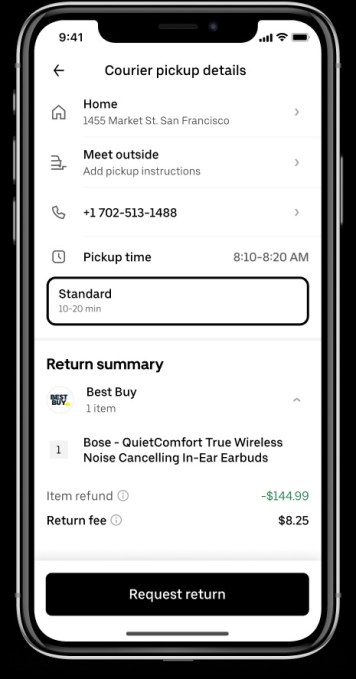
The mechanics of this new service are designed to integrate seamlessly into the interface used by frequent Uber Eats customers. To initiate a return, users simply navigate to their order history and select the specific item they wish to send back. By tapping the newly implemented "Return an item" button and selecting "Return with a courier," a driver is dispatched to your location.
However, there are certain parameters to keep in mind:
- The service is currently limited to items originally purchased via Uber Eats.
- Users must adhere to the specific return policies of participating retailers.
- Pricing is not fixed; a courier fee is calculated dynamically based on driver time and distance.
While the company acts as a logistical conduit, it is not the arbiter of return eligibility. This ensures the transaction chain remains within a traceable ecosystem for both the consumer and the brand.
Participating retailers and service requirements
The success of this feature relies heavily on the breadth of Uber's retail partnerships. The company has secured participation from several high-profile brands, effectively turning its delivery network into a distributed return center.
Currently, the service supports returns for products from:
- Target
- Best Buy
- Dick's Sporting Goods
- Petco
- At Home
- GNC
- Michael's
- Pacsun
- Pet Food Express
To maintain the economic viability of these short-distance trips, Uber has implemented a minimum price threshold. Only items with a retail value exceeding $20 are eligible for the doorstep pickup service. Uber has indicated that more retailers will be integrated into the platform in the coming months.
Strategic diversification in the gig economy
This move represents a calculated effort by Uber to increase "stickiness" within its application. In the competitive landscape of the gig economy, diversifying service offerings provides a buffer against fluctuations in the ride-hailing market.
Uber's history is marked by a series of pivots designed to utilize its core driver density for complex tasks:
- 2020: The launch of Uber Connect enabled peer-to-peer package delivery.
- Uber Direct: Enabled retailers to use Uber's fleet for localized deliveries.
- 2023: Expansion of "Return a Package" features for USPS and FedEx/UPS pickups.
As the boundaries between food delivery, ride-sharing, and package management continue to blur, the distinction between delivery and returns may eventually vanish. The platform that controls the movement of goods will likely hold the most significant advantage in the future of urban commerce.