A Haptic Orchestra: How the Steam Controller is Singing With Haptics
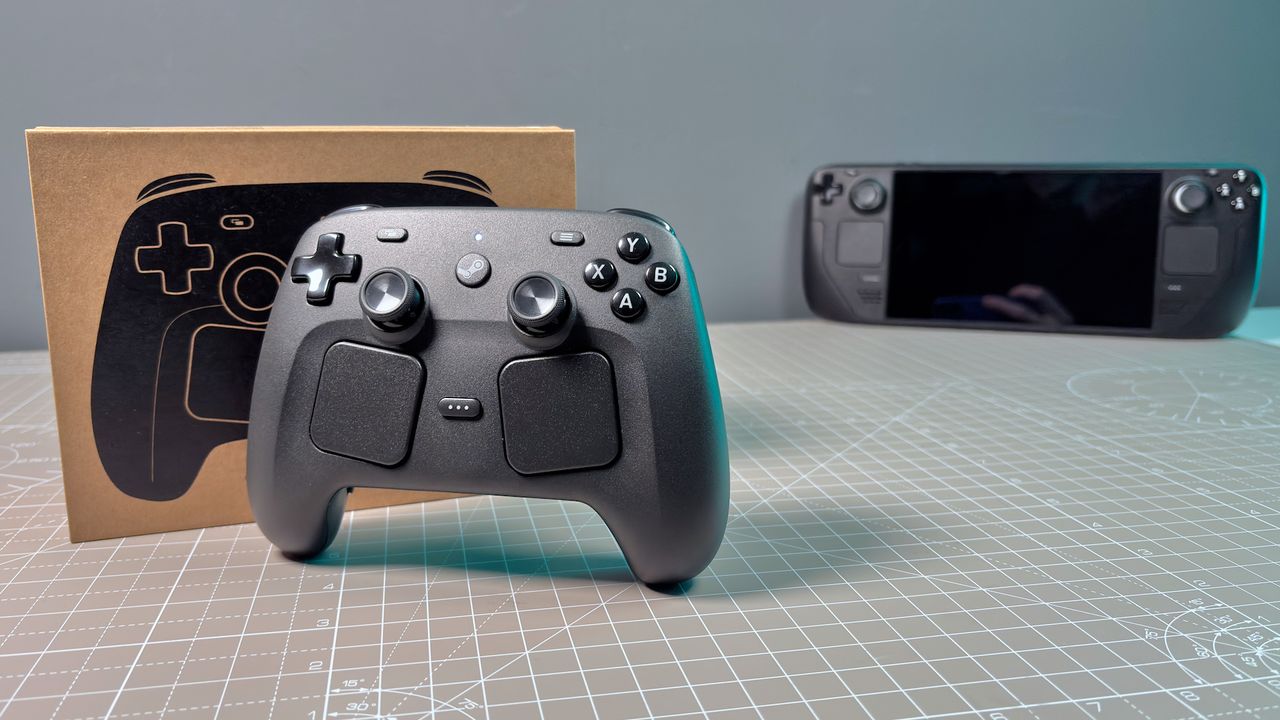
The Steam Controller has always been known for its unique touchpad mechanics and innovative gyroscopic features, but it is now demonstrating a surprising new talent: vocal performance. Thanks to a community-driven project, the device can now interpret MIDI files and translate them into complex haptic feedback patterns, effectively making the controller "sing" through its motors.
This isn't just a simple vibration test; it is a full-scale musical interpretation. By utilizing specific software, users can feed MIDI tracks directly into the controller, which then attempts to replicate the rhythm, pitch, and intensity of the song using its dual haptic motors. The result is a surprisingly accurate, albeit rumbling, audio-visual experience that highlights the potential of haptic technology beyond simple game immersion.
Introducing SteamHapticsSinger
The tool behind this auditory marvel is a recent GitHub project called SteamHapticsSinger, developed by the user CrazyCritic89. This application serves as a modern update to a concept that originally debuted a decade ago. The original code was created in 2015 by Pila and Roboron3042 for the initial release of the Steam Controller, but this new fork brings essential fixes and upgrades to ensure compatibility with newer hardware.
The software works by taking a standard MIDI file and converting its data into haptic pulses. It is not merely a gimmick; it is a sophisticated mapping of musical data to motor speed and intensity. Users can drag and drop any MIDI executable directly onto the application to begin the conversion process.
However, getting the software to run requires a specific setup. Users must first install USBDK (USB Direct Kernel Mode Driver) to allow the application to communicate with the device at a low level. Once the driver is configured, the software is ready to interpret any musical input provided to it.
Musical Performances: From Portal to the Wii Shop
To demonstrate the capabilities of SteamHapticsSinger, several distinct musical genres were tested, showcasing the controller's dynamic range.
The Portal Experience
The project includes a MIDI version of "Still Alive," the iconic theme song from Portal. When played through the controller, the haptic feedback attempts to mimic the song's distinct, rhythmic piano and bass lines. The controller’s motors pulse in time with the beat, creating a tangible representation of the track's melancholic yet upbeat tone.
The Wii Shop Soundtrack
Perhaps the most impressive demonstration involves the Wii Shop Channel soundtrack. Known for its repetitive, calming, and highly structured melody, this track translates exceptionally well into haptic feedback. The consistent rhythm allows the controller’s motors to create a steady, almost hypnotic rumble that captures the essence of the original composition. It is a testament to how well structured, looped music can be adapted for haptic output.
The Rick Roll Attempt
In a nod to internet culture, an attempt was made to translate "Never Gonna Give You Up" by Rick Astley into haptic feedback. While the controller successfully captured the driving beat and the rhythmic cadence of the verses, it struggled to fully replicate the nuance of Rick Astley’s vocal delivery. The result was a fun, rhythmic rumble, but it lacked the melodic clarity found in the other tests. It couldn't quite pull off the full "Rick Roll," but it came remarkably close in spirit.
Future Possibilities and Compatibility
The implications for this technology extend far beyond novelty. The ability to convert MIDI files into haptic feedback opens up new avenues for accessibility in gaming and music production. Imagine experiencing a symphony through tactile feedback, or hearing the "sound" of a game's environment through the controller.
While the current software is designed for the Steam Controller, there is potential for it to work with the Steam Deck and other compatible devices, provided the necessary drivers are in place. The community is already buzzing with ideas, with some enthusiasts dreaming of a future where dozens of Steam Controllers are linked together to form a haptic orchestra.
Although we may have to wait for the reservation queues to clear before seeing such a massive installation, the technology is already here. By simply dropping a MIDI file into SteamHapticsSinger, users can turn their gaming peripherals into musical instruments, proving that the Steam Controller is full of surprises.