Waymo Issues Recall to Deal with a Flooding Problem
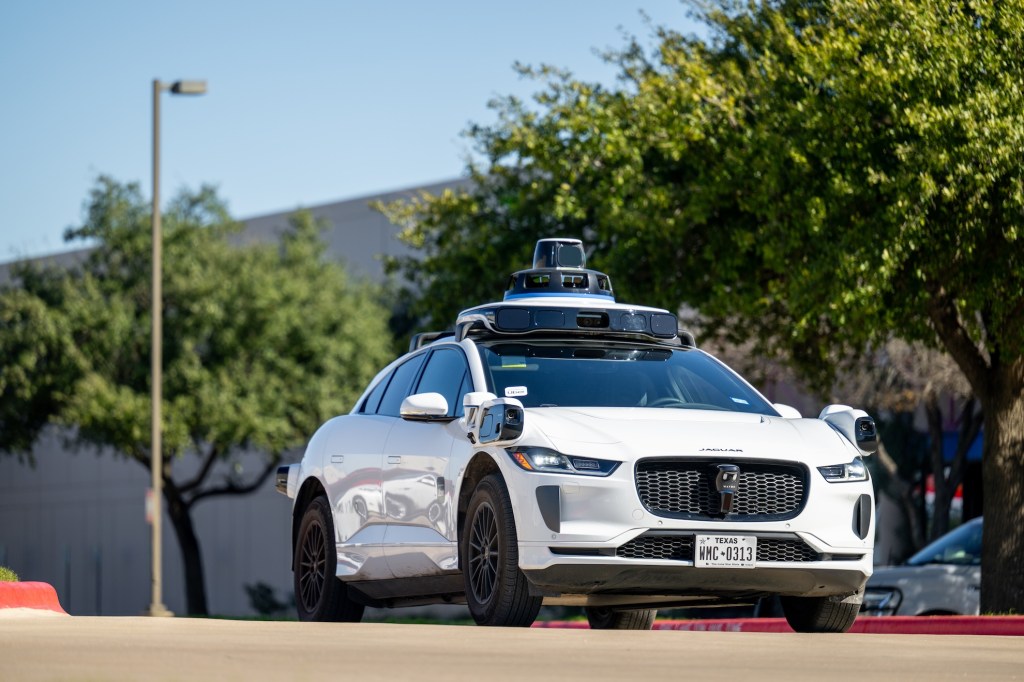
Waymo, the autonomous vehicle pioneer once celebrated for its rapid expansion, is currently navigating a significant hurdle. The company has issued a recall affecting thousands of its robotaxis due to a critical vulnerability: how these vehicles handle flooded roadways. This incident highlights the persistent gap between controlled testing environments and the unpredictable nature of real-world conditions.
The National Highway Traffic Safety Administration (NHTSA) is intensifying its scrutiny, demanding concrete remediation as public reliance on self-driving technology grows. This move signals a pivotal moment for the industry, where theoretical progress meets practical friction.
Scope and Trigger of the Recall
The scale of this issue is substantial. Approximately 3,791 Waymo vehicles across multiple U.S. cities are subject to this recall. The trigger for this action was not a single isolated event, but a pattern of repeated incidents where vehicles slowed down but failed to come to a complete stop when encountering high-speed flooded roads.
The situation escalated following a serious incident in Texas, where an empty robotaxi was swept away by floodwaters. In response to such dangers, the NHTSA mandated a voluntary software recall. This regulatory intervention underscores the urgency of addressing these environmental challenges before they result in further safety compromises.
Technical Roots of the Failure
The core of the problem lies in the limitations of current sensor technology and decision-making logic. Waymo’s fleet relies heavily on lidar and camera systems, which struggle to detect sudden changes in water depth. This difficulty is exacerbated under low-light conditions or during heavy rain, where visibility and sensor accuracy are naturally reduced.
Furthermore, the vehicle’s path-planning algorithm presents a critical flaw in these scenarios:
- Prioritization Errors: The algorithm is designed to avoid unsafe maneuvers, but when uncertainty exceeds a certain threshold, it sometimes defaults to partial traversal rather than a full stop.
- Environmental Noise: Flash flooding and variable roadway surfaces introduce data noise that current models often misinterpret, leading to incorrect risk assessments.
Immediate Response and Mitigation Strategies
Waymo has moved quickly to implement controls aimed at mitigating these risks. The company’s update introduces several immediate measures to enhance safety:
- Geofencing Restrictions: Temporary limits have been placed on operations in known flood-prone zones during severe weather alerts.
- Software Patch: An enhanced perception filter has been deployed to identify high-risk water crossings and enforce stricter stopping behavior.
- Operational Pause: Robotaxi dispatch has been temporarily halted in San Antonio while engineers refine handling protocols.
These steps are designed to prevent further incidents while the technical roots of the problem are addressed. However, they also highlight the complexity of maintaining a scalable autonomous fleet in diverse climatic conditions.
Industry Implications and Strategic Outlook
This recall underscores broader challenges facing all autonomous vehicle (AV) developers. It is no longer just about navigating traffic; it is about surviving environmental extremes.
Regulatory compliance is becoming increasingly stringent. The NHTSA’s active involvement signals that safety standards are tightening, and enforcement is becoming more rigorous. For Waymo and its competitors, this means that each recall adds complexity, requiring iterative updates rather than one-off fixes.
Public trust is another critical factor. Persistent issues with safety in adverse weather could erode confidence, potentially slowing adoption rates despite the long-term promise of autonomous mobility. To maintain market leadership, Waymo must accelerate real-world testing in diverse climates while maintaining transparency with regulators and customers.
Action Items for Stakeholders
As the situation develops, several key actions are necessary for different groups within the ecosystem:
- Monitor Updates: Track the progress of the recall through official NHTSA filings and Waymo’s communication channels to stay informed on the resolution timeline.
- Evaluate Alternatives: Assess how competitors’ approaches to flooding and weather resilience may influence comparative safety assessments and market positioning.
- Prepare Contingencies: For businesses considering the integration of autonomous fleets, it is crucial to assess geographic risk exposure and establish operational redundancy against environmental failures.
This episode reflects a pivotal moment for the autonomous vehicle industry. As climate variability increases, the stakes of getting environmental edge cases right become ever more consequential. It is not just a challenge for Waymo, but for the entire mobility ecosystem, compelling both innovators and regulators to recalibrate expectations for safe, scalable autonomy.