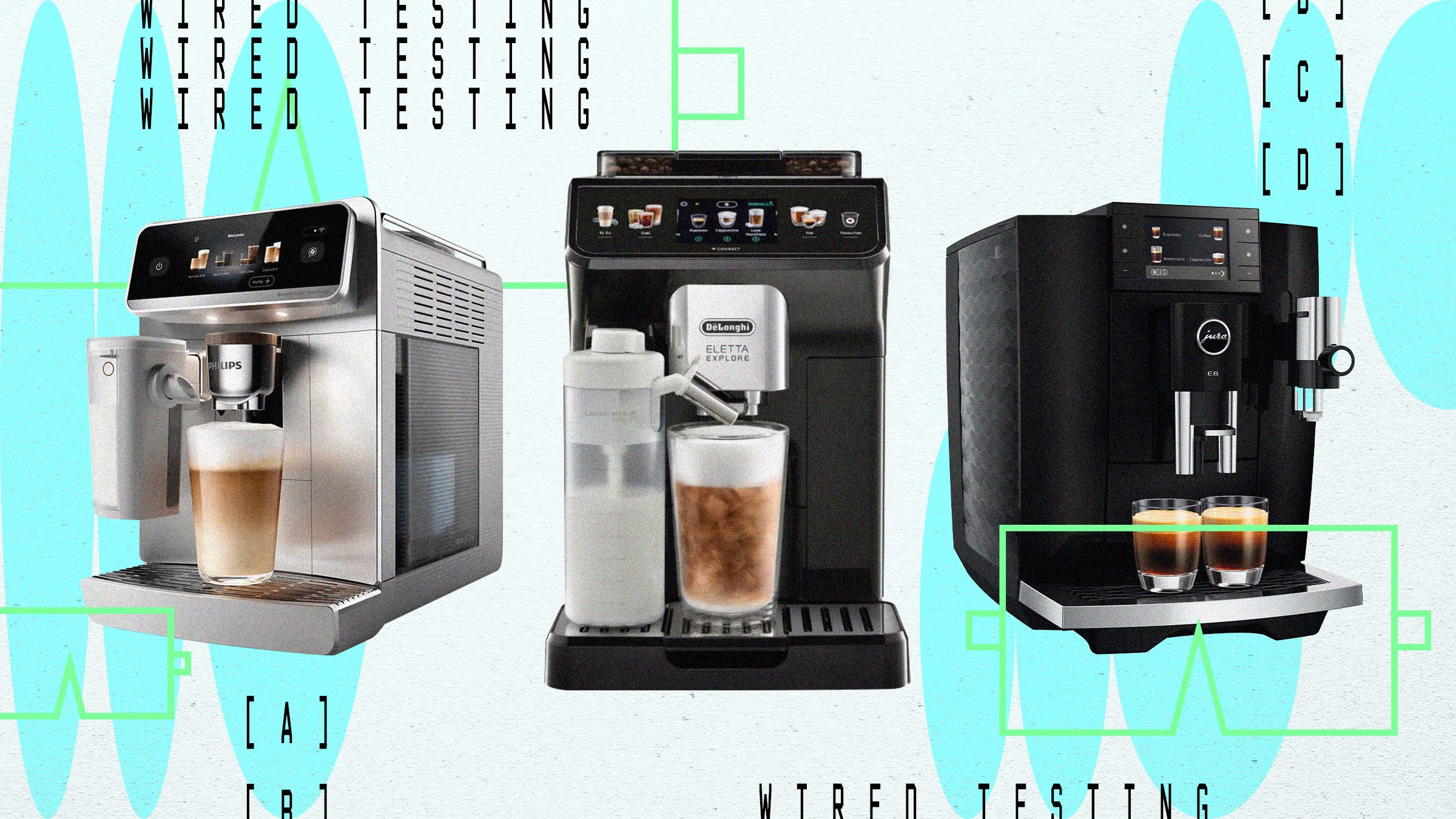
What happens when the people who know coffee best are blindfolded and asked to judge it on flavor alone? The outcome defies expectations, revealing that technical prowess and brand prestige do not always translate into superior brews. In this blind test, seasoned industry professionals were tasked with evaluating a range of fully automatic machines under tightly controlled conditions. The goal was to isolate the taste of the coffee itself from any preconceived notions about design or marketing pedigree.
Methodology Behind the Blind Tasting
Each participant received an equal number of drinks from every machine, with labels randomized to prevent bias. The beans used were specifically chosen for their balanced profile—dark chocolate, molasses, and walnut notes with low acidity and a lingering sweetness. Standard parameters were set: 1:3 to 1:5 espresso-to-milk ratio for lattes, precise temperature control, and consistent extraction time. The experts assessed each sample on multiple criteria: appearance, milk texture, temperature, crema quality, and overall flavor balance. Crucially, they did not evaluate usability, aesthetics, or app integration; the focus remained solely on sensory attributes.
Rankings and Contradictions
The results painted a picture of shifting opinions. The Philips Café Aromis 8000 emerged as the clear winner, praised for its ability to deliver both espresso and latte with equal precision and harmony. Its flavor profile aligned closely with the expected chocolate-nutty character, achieving an optimal sweetness without sacrificing depth. The De’Longhi Eletta Explore followed, notable for producing the silkiest steamed milk, though some found its espresso less compelling. The Terra Kaffe TK-02 surprised with its coffee-forward approach but fell short due to underdeveloped body and minimal foam. The Jura E8, despite its price tag and feature set, disappointed with overheated milk and inconsistent extraction.
Implications for Home Brewing
These findings underscore that barista-grade results hinge more on nuanced brewing parameters than on the allure of sleek interfaces or brand names. Consumers seeking true quality may benefit from prioritizing machines with robust pressure consistency, precise temperature control, and adjustable grinder settings. The test also highlights that even subtle differences in milk texturizing can dramatically alter perceived quality. For enthusiasts, the lesson is clear: don’t let marketing dictate choices; instead, seek out machines that demonstrably meet expert standards for flavor integrity.
Future Directions and Expectations
Looking ahead, the coffee industry should anticipate further integration of data-driven brewing profiles and real-time feedback loops between consumer preferences and machine adjustments. Manufacturers may explore more transparent performance metrics, allowing buyers to align specific drink types with machines that excel in those categories. As technology evolves, the gap between professional expectations and home execution narrows—but only when the right specifications are prioritized over style alone.
Key Takeaways
- Espresso consistency remains a critical differentiator among high-end models.
- Milk steaming quality significantly impacts overall satisfaction beyond espresso strength.
- Temperature precision influences flavor clarity and sweetness perception.
- Expert consensus favors machines that balance complexity with reliability, avoiding over-engineering that sacrifices core taste.
The experiment confirms that rigorous, expert-led evaluations offer invaluable insights for discerning buyers. By focusing on measurable attributes rather than superficial features, coffee lovers can make choices grounded in authentic quality—ultimately transforming everyday brewing into a more rewarding ritual.