A restless night spent tossing against an unrollable surface can transform even the most seasoned sleeper into a fatigued shadow of themselves by dawn. Determining what type of mattress is right for you involves much more than simple preference; it is a complex engineering decision regarding spinal alignment and temperature regulation. As sleep technology has progressed through 2026, selecting a single surface requires analyzing advanced materials and structural designs.
The Evolution of Support: From Traditional Coils to Hybrid Systems
The landscape of mattress support has shifted significantly from the rigid, interconnected structures of the past toward more sophisticated, modular designs. While traditional innerspring mattresses—often characterized by Bonnell coils—offered high responsiveness and immediate "bounce," they frequently lacked the ability to isolate movement. Because these older coils are wired together to function as a single unit, a disturbance at one end of the bed can travel through the entire surface, creating rhythmic disruptions for a partner.
Modern hybrid mattresses have largely addressed these shortcomings by integrating pocketed coils, or individually wrapped coils, with layers of foam or latex. This design allows each coil to compress independently, providing targeted support to heavy areas like the hips and shoulders while significantly improving motion isolation. Because these units move in "their own lanes," they prevent the sensation of a small earthquake when a co-sleeper moves.
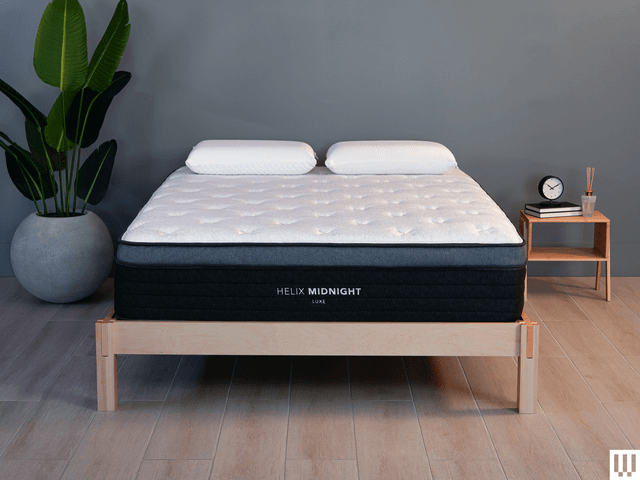
Furthermore, the modern hybrid often eliminates the need for a traditional box spring, a component that can sometimes even void the warranty of high-end contemporary models. For those seeking a balance of durability and pressure relief, certain high-performing hybrids, such as the Helix Midnight Luxe, utilize these pocketed systems alongside specialized foams to target lumbar support. When deciding what type of mattress is right for you, understanding these structural shifts in support is essential.
Thermal Regulation and Pressure Relief in Foam Technology
The development of memory foam represents one of the most significant leaps in sleep science, tracing its origins back to NASA-engineered materials designed to protect astronauts from high-impact forces. At its core, this material is a sophisticated blend of liquid polyurethane and chemicals like polyols and isocyanates, creating an open-cell structure that responds to both heat and pressure. This allows the mattress to "hug" the body, conforming to unique anatomical curves and reducing tension on sensitive joints.
However, the very mechanism that provides such excellent pressure relief—the absorption of body heat into the foam's air pockets—can lead to a secondary issue: heat retention. In older or lower-quality iterations, this can create a "microscopic sauna" effect, making the bed uncomfortable for those who tend to sleep warm.
To combat this, 2026 manufacturing standards frequently incorporate advanced cooling technologies, such as:
- Graphite or copper infusions to pull heat away from the skin.
- Phase-change materials (PCM) that actively regulate surface temperature.
- Gel-infused layers designed to dissipate thermal energy more efficiently.
While memory foam remains a premier choice for side sleepers and those prone to tossing and turning, the focus has moved toward managing the thermal environment as much as the physical support.
Deciding What Type of Mattress Is Right for You: Material Profiles
Choosing the correct material requires matching specific physiological needs with the mechanical properties of the mattress:
- Hybrid: Best for individuals seeking a "best of both worlds" approach; offers high responsiveness and excellent motion isolation.
- Memory Foam: Ideal for heavy pressure relief and side sleepers, provided the model features modern cooling technology.
- Innerspring: Suitable for those who prefer a firm, bouncy feel and high breathability, though they offer less contouring.
- Latex: A highly durable, more organic option that provides a responsive, "buoyant" feel compared to the sinking sensation of memory foam.
- Smart Beds: The frontier of the industry, utilizing adjustable components to provide personalized, data-driven support.
Conclusion: The Future of Sleep Surface Engineering
As we look toward the remainder of the decade, the distinction between mattress types is becoming increasingly blurred by the integration of smart technology and advanced material science. The industry is moving away from static surfaces toward dynamic, responsive systems that can adjust firmness or temperature in real-time.
For the consumer, the decision no longer rests solely on choosing between "soft" or "firm," but on selecting a sophisticated ecosystem capable of maintaining physiological equilibrium throughout the night.