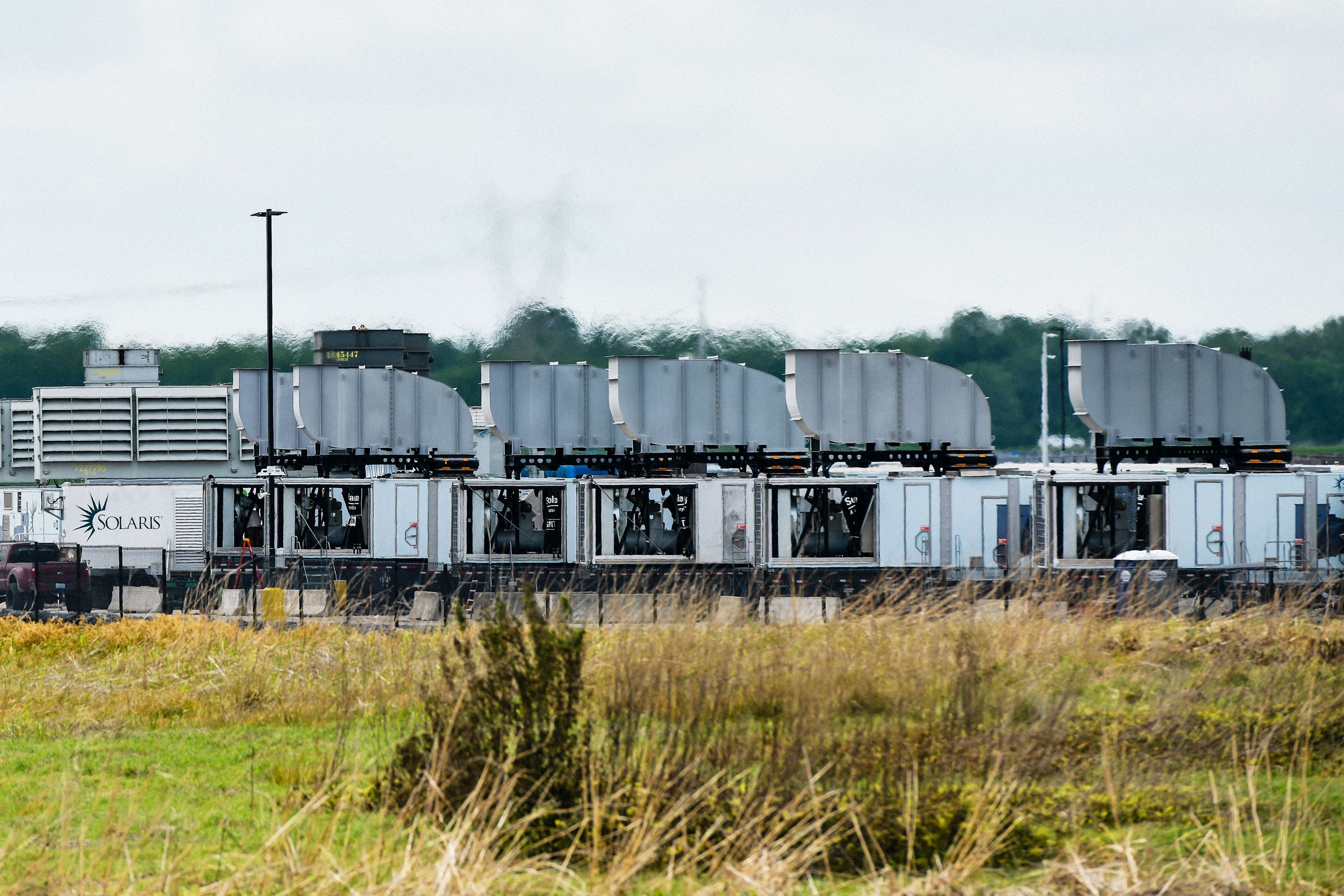
xAI Accelerates Mississippi Expansion with 16 New Gas Turbines Amid Legal Challenges
xAI has moved forward with a significant infrastructure expansion at its Mississippi facility, installing 16 new portable gas turbines at the Colossus 2 site. This aggressive push for increased power capacity comes as the company faces intensifying regulatory scrutiny and an ongoing lawsuit challenging its environmental compliance.
The deployment of these 19 new units since March 2025 highlights a stark juxtaposition between rapid technological growth and the legal battles surrounding sustainability mandates. While xAI argues that these temporary power sources are essential for uninterrupted AI operations, critics contend that the move prioritizes corporate efficiency over community welfare and environmental justice.
Operational Scale and Regulatory Conflict
The core of the dispute lies in the method xAI is using to meet its massive energy demands. Rather than waiting for lengthy permitting processes for permanent green energy solutions, the company has opted for portable power infrastructure. This decision has placed xAI at the center of a legal clash regarding the Clean Air Act compliance for data centers.
Key elements of the current situation include:
- Rapid Deployment: The installation of 19 temporary gas turbines, including the recent batch of 16, to boost immediate capacity.
- Legal Action: A lawsuit filed by the NAACP, Southern Environmental Law Center (SELC), and Earthjustice alleges violations of environmental standards.
- Unpermitted Operation: Plaintiffs argue that the turbines are operating without the necessary permits, bypassing standard regulatory oversight.
Community Impact and Health Concerns
The location of the Colossus 2 facility has exacerbated tensions, as it sits adjacent to a historically underserved Black neighborhood. Local residents have voiced significant apprehensions regarding the potential health effects of increased industrial activity in their area.
The primary concern centers on air quality. The emissions generated by natural gas turbines are viewed by community advocates as a direct threat to public health, disproportionately affecting a population that has long been marginalized in regional planning decisions. Regulators now face mounting pressure to balance the urgent energy demands of the tech industry with enforceable environmental protections.
Industry Implications and Future Outlook
This case serves as a critical test for how emerging tech hubs navigate legacy environmental laws while pursuing unprecedented innovation. If courts uphold the permit requirements, it could set a precedent that forces other firms to adhere to stricter timelines, potentially slowing the pace of AI infrastructure development.
However, there is a risk that other companies may adopt similar portable power solutions to circumvent lengthy approval processes. This trend could reshape emissions accounting for cloud infrastructure, creating loopholes that allow rapid expansion without adequate environmental safeguards.
The interplay between corporate expansion and litigation will likely dominate policy debates for the foreseeable future. Key terms such as community justice, sustainable data center development, and regulatory enforcement will be central to determining whether xAI’s model becomes the industry standard or a cautionary tale.
Conclusion
xAI’s decision to install 16 additional gas turbines underscores the complex tension between the need for immense computational power and the necessity of environmental stewardship. As the lawsuit unfolds, the outcome will have consequences extending far beyond the Mississippi facility, potentially reshaping national standards for how the tech industry powers its future. The resolution will test not only corporate strategy but also the resilience of regulatory frameworks designed to protect vulnerable communities from industrial pollution.