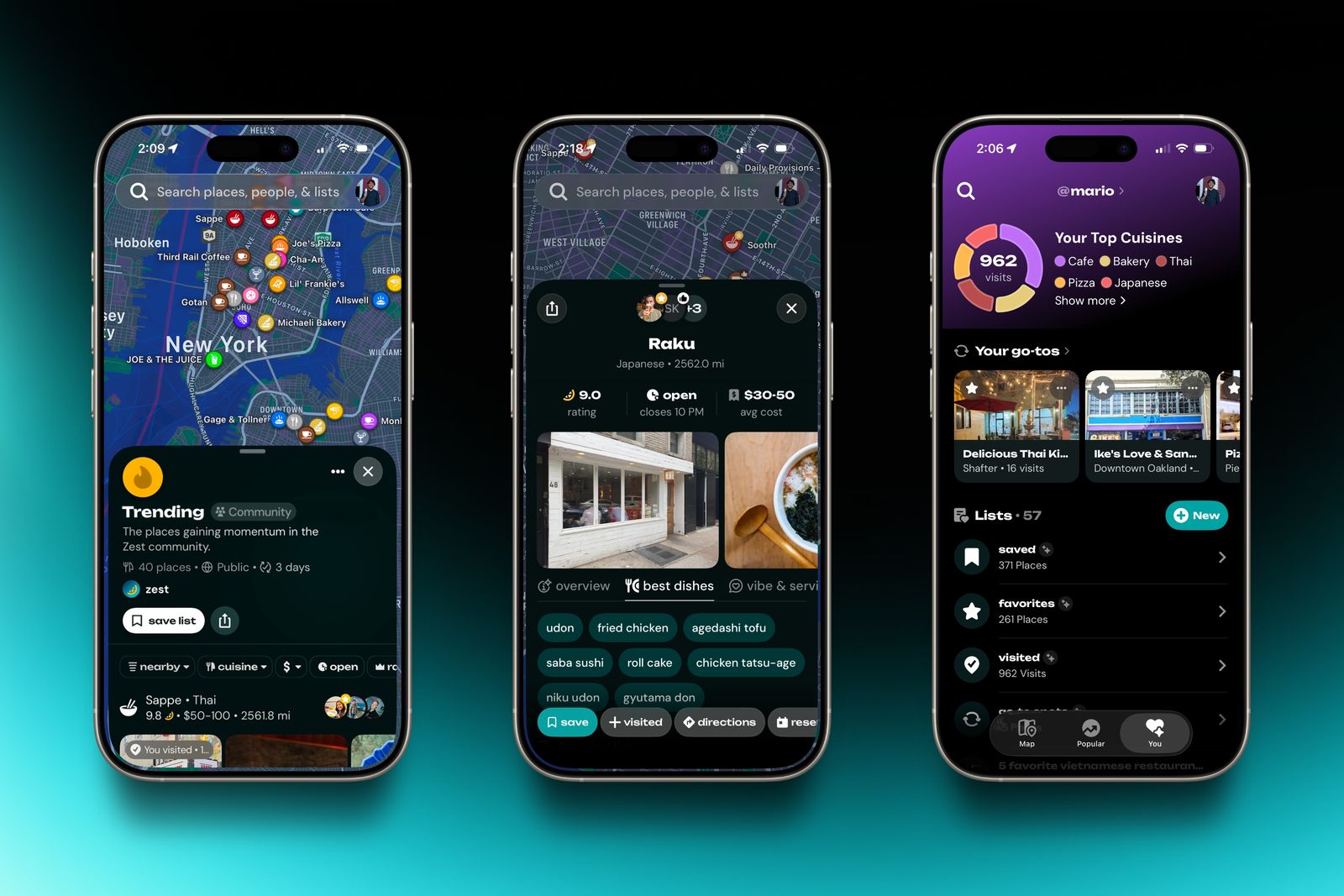
In a landscape crowded with generic discovery tools, Zest Maps is carving out a niche by redefining how we interact with our local food scenes. By leveraging advanced machine learning, the platform has already achieved a massive milestone: tracking over one million restaurant visits automatically via card swipes. This automated approach positions Zest Maps as the next evolution of location-based social networking.
Beyond Check-ins: The Tech Behind Zest Maps
Unlike the manual "check-in" era of the early 2010s, Zest Maps utilizes AI-powered curation to eliminate the friction of data entry. By syncing with users’ financial institutions via Plaid, the app captures dining transactions automatically, creating a living, breathing map of culinary preferences.
The platform's intelligence relies on several core features:
- Automatic Visitor Logging: Transactions are captured without manual input, ensuring your dining history is always up to date.
- Intelligent Pattern Analysis: Machine learning models analyze cuisine types, visit frequency, and temporal patterns to surface hidden gems.
- Personalized Discovery: Instead of generic lists, the app provides tailored suggestions based on real-time trends and friend activity.
- Privacy-First Design: Users retain total control over their visibility, with the ability to delete entries or exclude chain restaurants from public feeds.
A New Era for Social Dining
Founder Mario Gomez-Hall notes that Zest Maps is designed to complement, rather than replace, established giants like Google Maps or Foursquare. By focusing exclusively on the dining experience, the service provides a level of niche expertise that broader platforms lack. The community-driven model is already gaining traction among industry leaders, with the app's leaderboard featuring notable influencers like chef Dennis Crowley.
For young professionals in dense urban hubs, this technology offers rapid access to vetted venues that align perfectly with their specific tastes. For travelers, it serves as a compass to find authentic local spots that exist far beyond the reach of "Instagram-famous" cafes.
Balancing AI Innovation with User Privacy
As with any tool driven by AI automation, privacy remains a central pillar of the Zest Maps experience. While the system avoids storing sensitive personal data, users must explicitly opt in for card linking—a deliberate safeguard against digital overreach.
The company’s commitment to transparency regarding food-related transactions is vital for building trust with privacy-conscious demographics. If Zest Maps can maintain this delicate balance between utility and discretion, it is well on its way to becoming the definitive spiritual successor to Foursquare in an era defined by personalized AI.