The geopolitical landscape of the Indo-Pacific is being fundamentally reshaped by a silent, subterranean struggle for mineral sovereignty. As the global transition toward green energy and advanced defense accelerates, the way Japan seeks independence from China on rare earths has become a primary theater of economic warfare. Recent successful sampling missions at extreme depths suggest that the next frontier of resource security lies far beneath the ocean floor.
A Deep-Sea Breakthrough at Minamitorishima
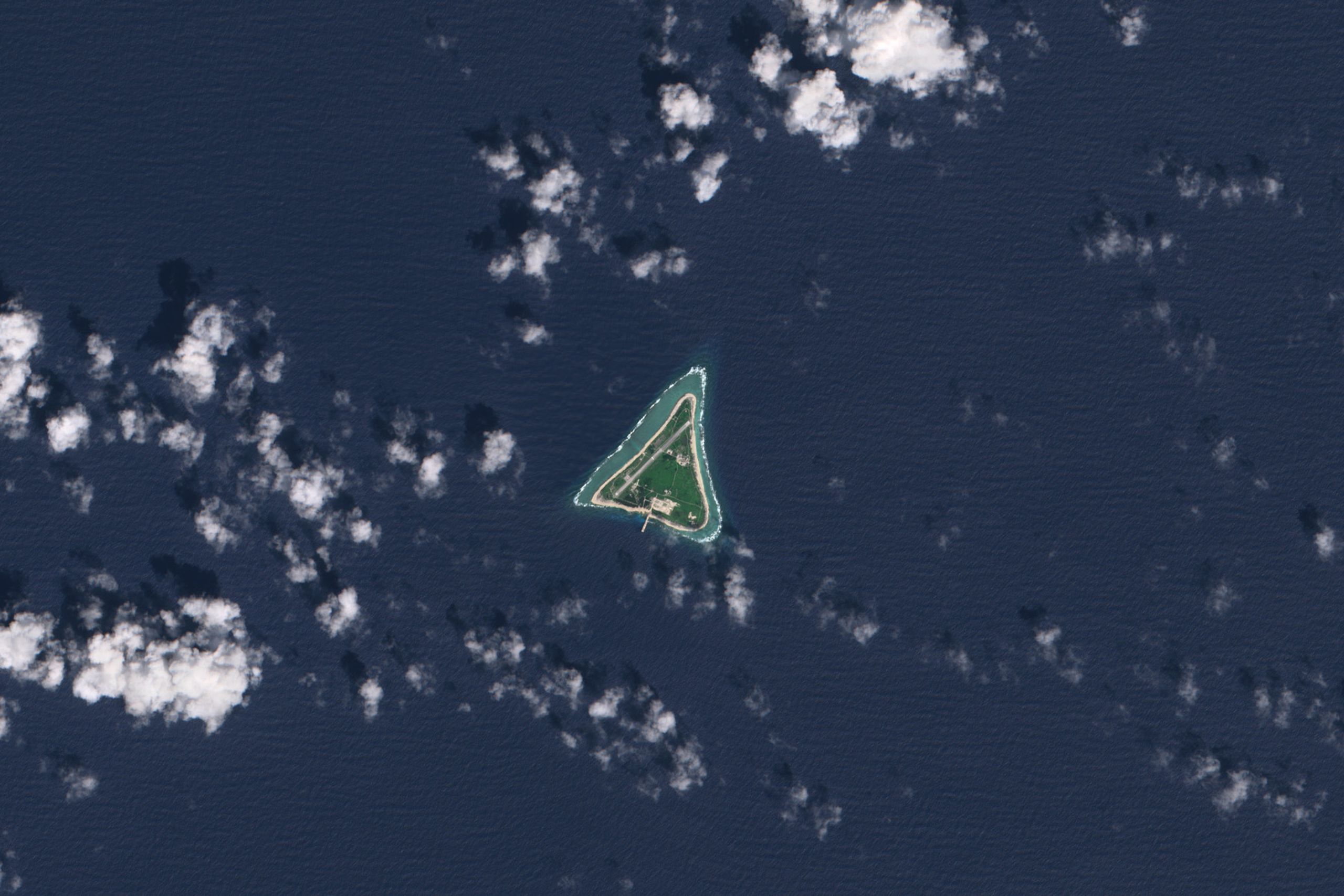
The recovery of seabed sediments near Minamitorishima, a remote Japanese atoll located 2,000 kilometers southeast of Tokyo, represents a significant technical milestone. Using the scientific deep-sea drilling vessel Chikyu, researchers successfully sampled materials from depths as great as 6,000 meters. This mission was far from routine; it was an attempt to tap into one of the most promising underwater deposits discovered in recent history.
Massive Mineral Reserves Discovered
The potential scale of this discovery is difficult to overstate. Preliminary estimates suggest the seabed around Minamitorishima could contain more than 16 million tons of rare earths, positioning it as the world's third-largest reserve.
The deposit contains critical concentrations of elements such as dysprosium and yttrium. Estimated reserves are capable of sustaining Japanese consumption for 730 and 780 years, respectively. If economically viable, this site could fundamentally alter the global supply chain dynamics that have long favored Chinese dominance.
Strategic Resilience: How Japan Seeks Independence From China on Rare Earths
Tokyo's current pursuit of deep-sea mining is not a sudden impulse but a calculated response to a decade-old strategic trauma. In 2010, following a diplomatic dispute near the Senkaku Islands, China implemented an informal embargo on rare earth exports to Japan. This move caused immediate panic within the Japanese automotive and electronics sectors, as prices for critical materials increased tenfold almost overnight.
Since that crisis, Japan has executed a multifaceted strategy to mitigate its vulnerability. To ensure Japan seeks independence from China on rare earths, Tokyo adopted an integrated approach:
- Diversification of supply: Increasing reliance on partners like Australia, specifically through investments in the Lynas Group.
- Technological innovation: Developing advanced permanent magnets that require significantly less dysprosium.
- Resource circularity: Enhancing large-scale recycling programs to reclaim metals from end-of-life electronics.
- Strategic stockpiling: Building national reserves to provide a buffer against sudden trade disruptions.
This concerted effort has successfully reduced Japan's dependence on Chinese imports from over 90 percent to approximately 50 percent. While the remaining exposure still poses a risk, particularly in heavy rare earth refining, the groundwork for autonomy is firmly in place.
The Tokyo Framework and the Path to 2026
The future of deep-sea extraction will likely depend on international alliances rather than isolated national efforts. The immense cost and technical complexity of operating at 6,000 meters depth necessitate a level of capital and technological support that exceeds the capacity of any single nation. This reality has led to the emergence of the Tokyo Framework, a bilateral cooperation agreement between Japan and the United States.
Under this framework, Washington is expected to provide critical funding and technological assistance for extraction operations planned for 2026. This partnership includes the creation of a US-Japan Rapid Response Group designed to monitor supply chain vulnerabilities in real-time.
For the United States, supporting Japan's maritime mining interests offers a way to secure access to high-value resources while simultaneously checking China’s influence over the global semiconductor and defense industries. The success of the Minamitorishima project remains contingent on whether the environmental and economic costs of deep-sea mining can be reconciled with industrial necessity.