A lifestyle influencer prepares breakfast for her children while simultaneously warning about a technological takeover by a foreign adversary. This jarring juxtaposition—the mundane domesticity of social media feeds meeting the high-stakes rhetoric of geopolitical warfare—is the hallmark of a dark-money campaign designed to frame Chinese AI as a threat.
While much of the conversation surrounding artificial intelligence focuses on technical benchmarks or existential risks like AGI, a new front in the battle for narrative control is being fought through the seemingly apolitical medium of influencer marketing.
The Architecture of the Dark-Money Campaign
At the center of this movement is Build American AI, a nonprofit organization functioning as a primary vehicle for what critics describe as dark-money influence. This group is inextricably linked to Leading the Future, a massive $100 million super PAC bolstered by significant contributions and commitments from prominent figures within the tech industry.
While companies like OpenAI and Palantir have officially denied direct corporate funding of these specific entities, the financial ties to their executives and associated venture capital firms, such as Andreessen Horowitz, suggest a deep-seated alignment of interests. The ultimate goal appears to be the creation of a regulatory environment that favors rapid, unchecked American development.
The campaign operates with a sophisticated, multi-tiered strategy aimed at capturing the attention of audiences who may not realize they are consuming political messaging. By leveraging marketing agencies like SM4, the organizers can bypass traditional journalistic scrutiny and inject specific talking-points directly into personal feeds.
The financial scale is substantial; reports indicate that influencers can receive upwards of $5,000 for a single TikTok video designed to amplify these pro-industry narratives. By framing the advancement of AI as an essential component of national security, the campaign seeks to preemptively neutralize domestic opposition to the industry's expansion and energy demands.
A Two-Phase Strategy for Narrative Control
The deployment of this campaign is not random but follows a calculated, two-phase rollout intended to move from soft promotion to aggressive alarmism. The first phase focused on building a foundation of "pro-innovation" sentiment, utilizing lifestyle and family-oriented creators to associate AI with American economic prosperity.
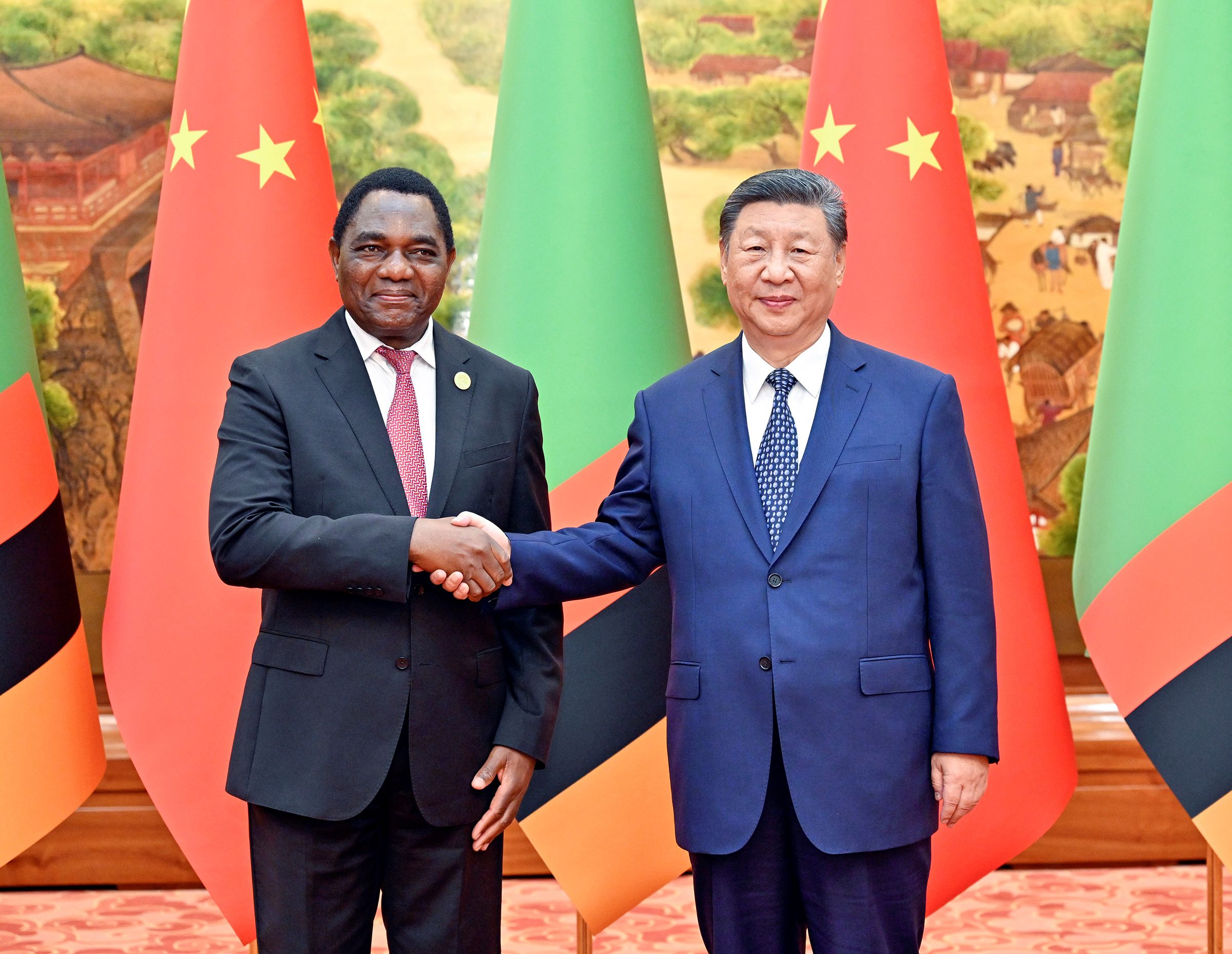
However, the current second phase has shifted toward more polarizing, high-stakes rhetoric centered on the perceived threat of Chinese technological dominance. To achieve this, the campaign utilizes several key messaging pillars:
- National Security Primacy: Framing the "AI race" as a zero-sum game where American defeat results in immediate loss of sovereignty.
- Data Privacy Fears: Suggesting that Chinese AI advancement will lead to the direct theft of personal and familial data from US citizens.
- Economic Protectionism: Asserting that investing in domestic AI is the only way to prevent massive job displacement within the United States.
- Technological Patriotism: Using slogans like "Team USA" to link software development with traditional American identity and values.
This strategy seeks to expand its reach by targeting diverse demographics, moving beyond "family and kids" influencers to recruit political commentators, business leaders, and tech-focused male creators. The objective is to create a pervasive sense of urgency that makes any domestic regulation or skepticism appear as an opportunity for foreign adversaries to gain the upper hand.
The Erosion of Information Integrity
The rise of such campaigns poses a significant challenge to the stability of democratic discourse. Unlike traditional political advertising, which is subject to clear disclosure requirements and public debate, influencer-led messaging often blurs the line between personal opinion and paid propaganda.
When an influencer discusses "protecting American innovation" while making breakfast, the lack of transparency regarding the underlying financial interests can be profoundly deceptive. As news consumption continues to migrate toward decentralized social platforms, the ability for the public to distinguish between organic sentiment and orchestrated influence wanes.
Media studies experts have noted that this lack of disclosure is "corrosive to democracy," as it allows corporate-backed interests to shape policy debates under the guise of grassroots concern. The danger lies in the systematic use of trusted, familiar voices to manufacture a consensus that serves a specific, well-funded agenda.
The upcoming 2026 midterm elections will likely serve as a testing ground for these tactics. As AI policy becomes a central pillar of national political debate, the battle between industry-backed influence campaigns and independent regulatory scrutiny will determine whether the future of technology is shaped by public interest or by the strategic deployment of digital shadows.