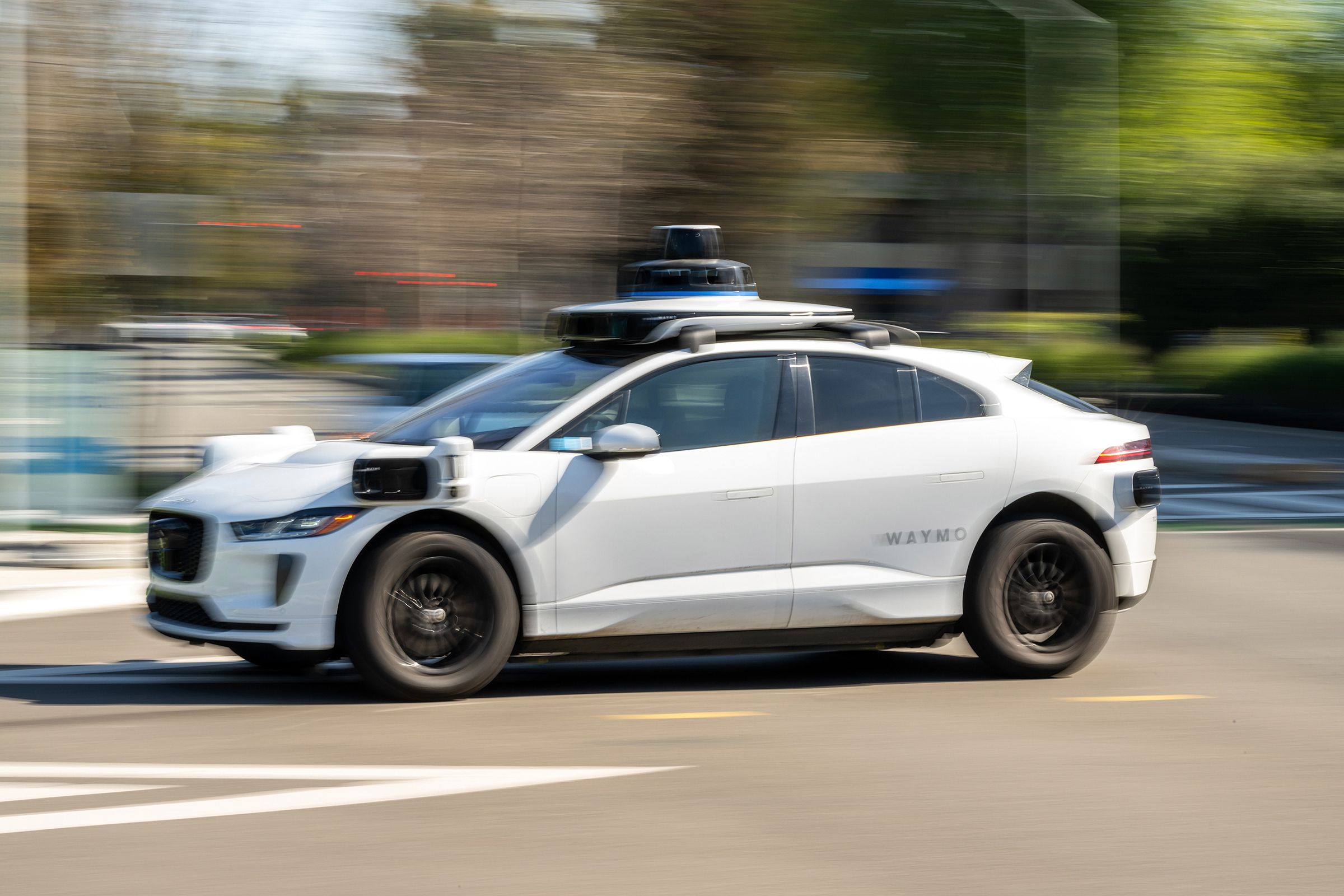
A quiet ride through the fog-drenched streets of San Francisco is abruptly interrupted when a disembodied voice crackles over the vehicle's speakers, demanding proof of age. For many passengers, this sudden interrogation marks the beginning of a new era in autonomous transit—one defined by heightened surveillance and rigorous enforcement. As Waymo is trying to crack down on solo kids using its service, the experience of riding in an Alphabet-owned vehicle is changing significantly.
Alphabet’s self-driving subsidiary has begun implementing aggressive mid-ride age-verification checks to curb the number of unaccompanied minors using its fleet. While the company maintains that its primary goal is ensuring compliance with local laws, the rollout of these checks has introduced significant friction for adult riders and sparked intense debate over privacy and regulatory oversight.
Surveillance in the Cabin: The New Verification Protocol
The crackdown relies heavily on technology already embedded within the autonomous fleet. Waymo utilizes internal cameras to monitor the vehicle's cabin, a practice explicitly noted in its privacy policy. While the company asserts it does not utilize facial recognition or biometric identification technologies to identify individuals, the presence of these cameras allows support staff to flag potential violations of their terms of service.
The Mechanics of the Waymo Crackdown on Solo Kids
The enforcement process is increasingly direct and intrusive for certain passengers. When the system identifies a potential discrepancy, Waymo support agents may initiate a live connection with the rider through several methods:
- Real-time audio interventions: Support workers calling the vehicle to ask passengers to verbally verify their birthdate.
- Video review: Support personnel reviewing recorded footage from previous trips to investigate reports of unauthorized riders.
- Live stream access: In "urgent circumstances," agents may gain access to live video feeds during an active trip.
- Account penalties: Violations of the age policy can result in temporary or permanent suspension of a user's account.
This shift toward active monitoring has already caught several adults in the crossfire. Riders who possess youthful features or are traveling with backpacks have reported being startled by sudden, unannounced inquiries from remote agents, creating a sense of distrust within an otherwise seamless technological experience.
Legal Friction and Regulatory Oversight
The push for stricter enforcement is not merely a corporate preference but a response to significant legal pressure. In California, law prohibits autonomous vehicles from carrying unaccompanied minors. While Waymo allows a specialized teen account program in the Phoenix, Arizona market—enabling riders aged 14 to 17 to travel with real-time tracking for parents—this flexibility does not extend to its other major operating hubs.
This regulatory gap has become a focal point for labor advocates. The California Gig Workers Union, along with several other state labor groups, recently filed a formal complaint alleging that Waymo is knowingly violating its permit to operate by allowing parents to use their own accounts to transport children.
The matter is currently under judicial review. California regulators are evaluating whether new rules could be established to allow supervised solo travel for minors, similar to existing frameworks used for human-driven ride-hail services.
The Economic and Social Cost of Compliance
As the Waymo crackdown on solo kids tightens its grip on passenger demographics, the broader implications for autonomous mobility become clearer. For many families, the appeal of driverless cars lies in their ability to provide a safer, more reliable alternative to public transit or traditional ride-hailing, where human drivers might cancel trips involving minors.
However, the cost of this convenience remains high. Recent analysis suggests that a Waymo ride is, on average, 13 percent more expensive than an equivalent trip via Uber. When combined with the increasing frequency of mid-trip identity checks, the "frictionless" promise of autonomous driving is being replaced by a much more scrutinized experience.
The future of the industry likely depends on finding a middle ground between technological autonomy and human accountability. If Waymo cannot resolve the tension between passenger convenience and strict regulatory compliance, the very technology designed to simplify urban movement may instead become another layer of bureaucratic and digital surveillance in the city landscape.