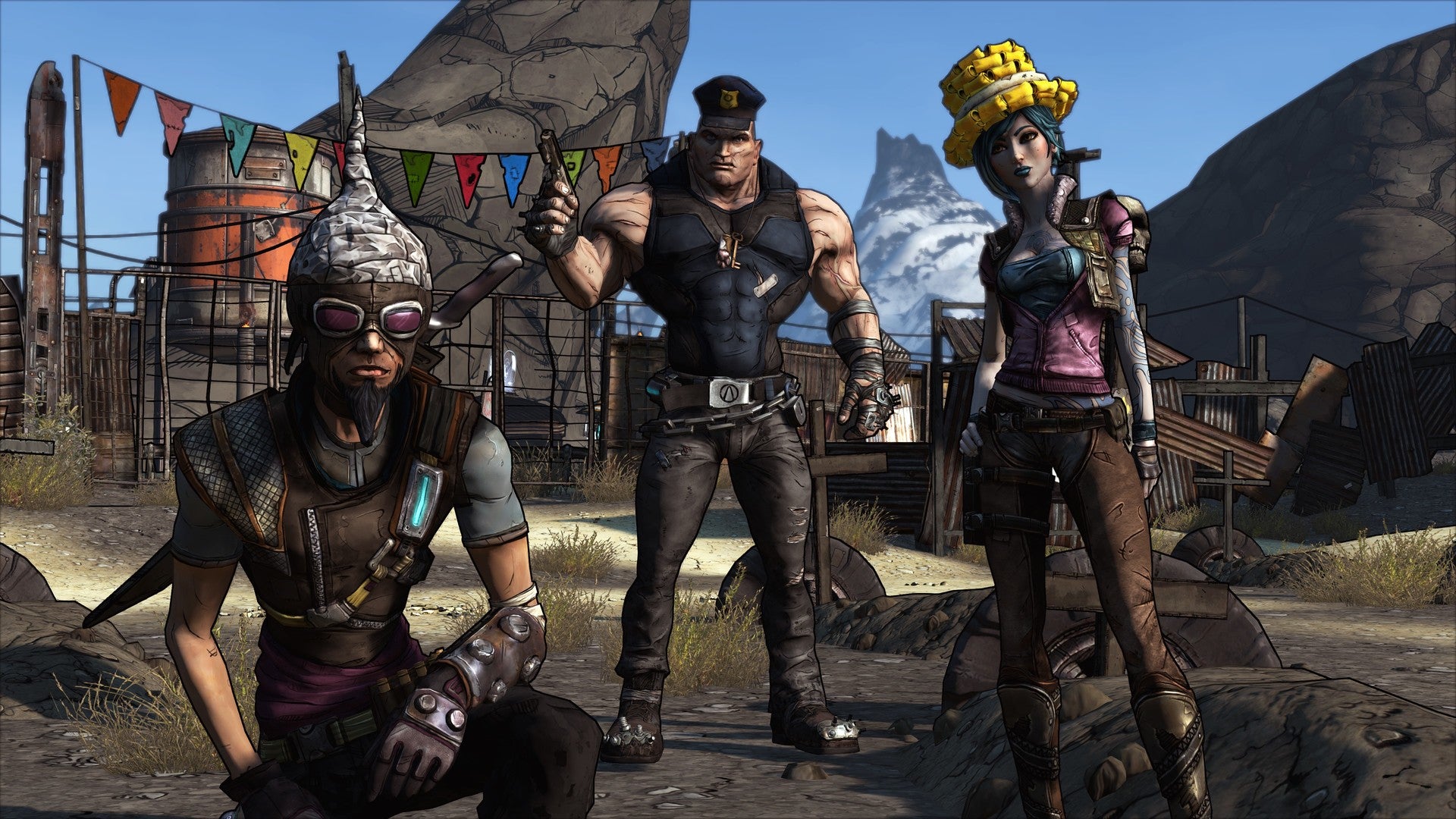
The decision to overhaul the visual identity of Borderlands was a massive gamble that nearly broke the bank, but it ultimately saved the franchise from obscurity. According to Take-Two CEO Strauss Zelnick, the last-minute shift to a cel-shaded aesthetic cost an additional $50 million in development expenses and delayed the game's release by an entire year.
Despite the staggering price tag, Zelnick maintains that the move was essential for the game's survival.
The $50 Million Gamble on Borderlands
In a recent interview with David Senra, Zelnick recounted the moment he was asked to approve a total visual rebuild of a nearly finished product. At the time, Take-Two was operating with limited capital and had not yet fully turned the company around.
The original vision for the game featured a realistic art style, but developers felt the aesthetic lacked differentiation in a crowded market. The proposal presented to Zelnick included:
- An incremental $50 million increase in development costs.
- A one-year delay to the announced release schedule.
- A complete remake of the game's visual assets.
Zelnick described the decision as "non-obvious," noting that most executives would have viewed the request as "insane." The standard industry response would have been to ship the finished product and move on to the next project rather than spending millions to redo a completed title with no guaranteed outcome.
Trusting Developer Intuition
Zelnick's decision to support the change came down to his trust in the creative team at Gearbox Software. He emphasized that he intentionally hired innovative people and promised to support their passions, even when those passions required massive financial risks.
"They came and said, 'This is our assessment. This is our passion. Are you going to support us?' And I said, 'Yes,'" Zelnick remarked. That trust turned a potential flop into one of the most successful looter-shooter franchises in gaming history, with total sales now exceeding 100 million units.
The Intense Reality of the Art Style Change
While the financial gamble paid off for Take-Two, the actual implementation of the new art style was an exhausting process for the development team. Graeme Timmins, the lead level designer on the original title and current creative director for Borderlands 4, described the period as incredibly intense.
The transition required more than just a visual filter; it necessitated a fundamental reconstruction of the game world. According to Timmins:
- Almost all existing levels were discarded.
- Only a few areas, such as Trash Coast, survived the transition.
- Level designers, mission designers, and artists had to rebuild the entire game from scratch over several months.
This massive undertaking led many staff members to question the wisdom of the pivot at the time, with Timmins admitting the team often wondered, "What the hell are we doing?"
A Double-Edged Sword for Success
While the cel-shaded look defined the franchise, it may have also limited its reach. In 2019, Gearbox head Randy Pitchford noted that the non-realistic aesthetic likely placed a "ceiling" on the series' potential, as certain segments of the gaming audience are traditionally averse to cartoonish visuals.
As the franchise continues to evolve with Borderlands 4, the legacy of that $50 million decision remains clear: it transformed a generic shooter into a unique, iconic brand that defines its genre.